
- KSPRS board certification is the legally required credential for any surgeon calling themselves a plastic surgeon in Korea
- JCI accreditation indicates hospital-level safety standards and is primarily found at major hospitals like Samsung Medical Center or Severance Hospital
- MFDS registration ensures all implants, fillers, and devices used in your procedure are approved and traceable
- KAAFS or KAoSS membership signals additional specialization for facial bone surgery (V-line or jaw reduction), not general plastic surgery
You’re scrolling through clinic Instagram feeds at 2 AM. The before-and-after photos look incredible. But then you see alphabet soup credentials—KSPRS, KSAPS, KAoSS, JCI—and suddenly you’re wondering if you’re about to trust your face to someone with a weekend certificate.
Korean medical credentials work differently than American or European boards. One wrong assumption could land you in a clinic legally allowed to perform surgery without true plastic surgery training.
South Korea performs roughly 13.5% of all global cosmetic procedures despite having only 0.7% of the world’s population. That volume creates credential confusion. Here’s exactly what to look for before you book that flight to Incheon.
| Credential | What It Means | Why It Matters |
|---|---|---|
| KSPRS | Korean Society of Plastic & Reconstructive Surgeons board certification | Legally required minimum for plastic surgery |
| KSAPS | Korean Society of Aesthetic Plastic Surgery | Additional fellowship in cosmetic (not reconstructive) procedures |
| JCI | Joint Commission International accreditation | Global safety standards for hospital facilities |
| KAoSS | Korean Association of Oral & Maxillofacial Surgeons | Required for jaw/V-line surgery, not plastic surgery |
| MFDS | Ministry of Food and Drug Safety | Regulates implants, Botox, and medical devices |
How do I verify board certification for a Korean plastic surgeon?
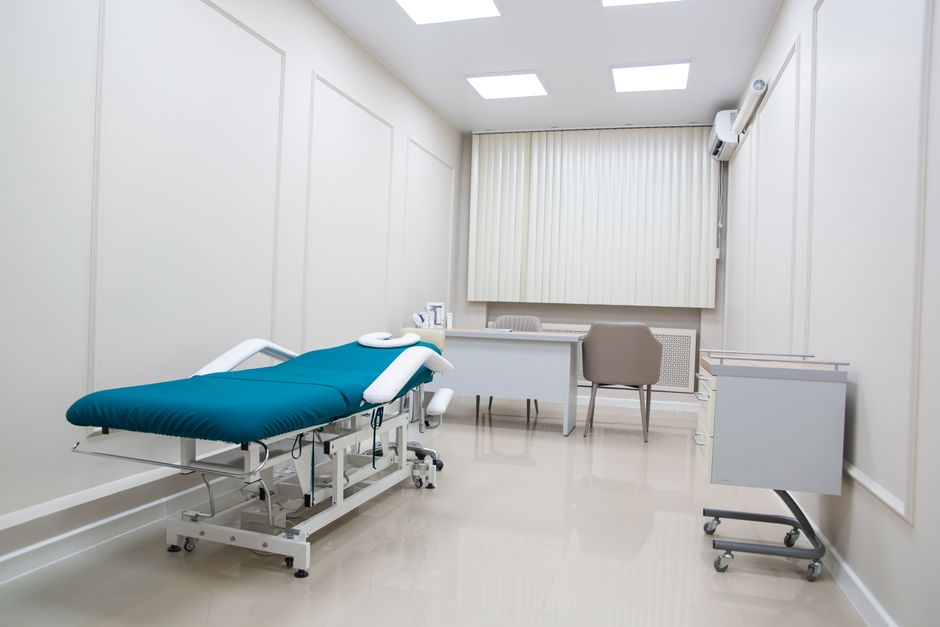
You should look for active membership in the Korean Society of Plastic and Reconstructive Surgeons (KSPRS). This is the legally protected title in Korea—surgeons cannot call themselves plastic surgeons without it.
Here’s where most guides get it wrong. They’ll tell you to check for “board certification” without explaining that Korea has two distinct societies. KSPRS handles reconstructive training (burns, trauma, congenital defects).
KSAPS (Korean Society of Aesthetic Plastic Surgery) requires additional fellowship training focused purely on cosmetic procedures like rhinoplasty and breast augmentation.
If you’re traveling for cosmetic work specifically, you ideally want both credentials. The KSPRS proves they completed the mandatory 4-year plastic surgery residency after medical school. The KSAPS membership shows they chose additional aesthetic specialization beyond the base requirement.
Beware of certificates from private commercial groups with official-sounding names but no medical training requirements. That’s the credential game in Korea.
Why is JCI accreditation essential for Korean medical tourism hospitals?
JCI accreditation indicates the facility meets international patient safety standards for emergency response, infection control, and medication management. JCI accredits hospital quality through rigorous unannounced inspections every three years.
Most articles tell you to “look for accreditation” but miss the nuance. JCI accredits Samsung Medical Center, Severance Hospital, and other major university hospitals. These are full-scale hospitals with 24-hour emergency teams and ICU capabilities.
However—and this is the gap other guides miss—many cosmetic clinics in Gangnam are standalone surgical centers, not hospitals. They won’t have JCI because they don’t admit overnight patients or handle emergency trauma.
For routine procedures like blepharoplasty, JCI matters less than the surgeon’s individual credentials. For major surgery requiring general anesthesia, insist on JCI-accredited facilities or hospital-affiliated clinics.
JCI status becomes non-negotiable if you’re combining procedures. A 6-hour facial contouring session carries different risks than a 30-minute double eyelid surgery. I’d personally only accept general anesthesia at JCI-accredited sites after reviewing their emergency protocols.
How does MFDS regulation protect patients at Korean clinics?
The Ministry of Food and Drug Safety (MFDS) regulates every implant, filler, thread, and device used in Korean aesthetic medicine. This agency functions similarly to the FDA in the United States.
MFDS regulates medical procedures indirectly through device approval. When a clinic offers you “the latest Motiva breast implants” or “Korean-brand PLLA threads,” you should verify the exact product name on the MFDS database. This prevents the use of smuggled Chinese counterfeit fillers or unapproved silicones that haven’t passed biocompatibility testing.
MFDS also regulates Botox and neurotoxins by batch number. Legitimate clinics show you the vial before injection and let you photograph the serial number. This traceability matters because Korea has battled illegal Botox smuggling rings that sell diluted or temperature-spoiled products to cut-rate clinics.
Ask specifically: “Is this implant MFDS-approved, and what is the registration number?” The question alone often filters out shady operators.
What is HIRA and why should medical tourists check for it?
HIRA (Health Insurance Review and Assessment Service) audits clinic billing accuracy and medical quality standards, primarily serving Korea’s national health insurance system. While designed for domestic patients, HIRA assessment ratings indicate overall clinic reliability.
International patients usually pay out-of-pocket, so they bypass HIRA’s insurance oversight. However, clinics with high HIRA quality scores demonstrate consistent documentation, proper sterilization protocols, and ethical billing practices. These clinics tend to follow stricter standards even for cash-paying foreign patients.
HIRA publishes hospital evaluation scores annually. Look for institutions ranked in the top tier for “medical service quality.” Some medical tourism facilitators highlight HIRA rankings in their English-language marketing materials.
The disconnect happens when boutique clinics serve exclusively medical tourism markets. They might lack HIRA ratings because they don’t process Korean insurance claims. In those cases, JCI accreditation becomes your primary quality proxy instead.
How does myopia impact blepharoplasty when correcting ptosis?
High myopia (severe nearsightedness) elongates the eyeball and alters eyelid anatomy, requiring modified surgical techniques when blepharoplasty corrects ptosis. Korean surgeons screen for this aggressively.
Standard ptosis correction (levator muscle tightening) assumes normal eyeball positioning. But severe myopia—extremely common in East Asian populations—stretches the tissues surrounding the eye.
Blepharoplasty corrects ptosis differently in these patients; the surgeon must account for the posterior displacement of the eyeball to avoid over-correction or lagophthalmos (inability to close the eyes fully).
Most affordable plastic surgery clinics in Seoul focus on standard Asian blepharoplasty. They might miss the subtle signs of myopic ptosis, leading to the “surprised look” complication where eyes stay too open. Always disclose your eyeglass prescription strength during consultation.
What training pathway do Korean plastic surgeons complete?
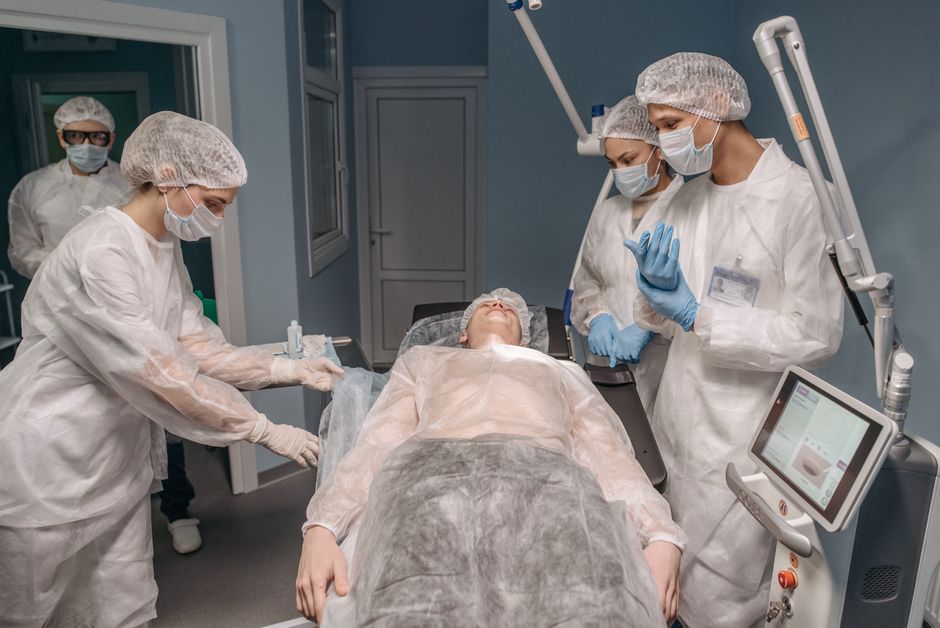
Korean plastic surgeons undergo 6 years of medical school, 1 year of internship, 4 years of plastic surgery residency, and must pass the KSPRS board examination. This totals 11 years minimum before independent practice.
The pathway diverges from American training at the residency level. While US plastic surgeons rotate through general surgery first, Korean trainees enter plastic surgery directly after intern year. This creates deeper specialization earlier but potentially less general surgical experience.
To become a plastic surgeon in Korea officially, one must:
- Pass the Korean Medical Licensing Examination (KMLE) after medical school
- Complete internship at an approved teaching hospital
- Enter the plastic surgery residency matching system (extremely competitive)
- Pass the specialty certification exam administered by KSPRS
Some surgeons display additional fellowships from the US or Europe. While impressive, foreign training isn’t necessary for excellence. Korean residency training in cosmetic procedures often exceeds international standards simply due to case volume. A Seoul-based surgeon might perform 500 rhinoplasties annually versus 50 in a typical American practice.
How much do Korean plastic surgeons earn annually?
Elite Korean plastic surgeons at Gangnam’s premium clinics earn $300,000 to $500,000 USD annually, comparable to mid-tier American plastic surgeons but with substantially higher procedure volumes.
The salary structure differs dramatically between hospital-employed surgeons and clinic owners. Junior surgeons at major hospitals might earn $80,000-$120,000. Star surgeons with personal clinics and YouTube followings can earn seven figures, though this is rare.
High income correlates with specialization. Surgeons focusing on complex revision rhinoplasty or dental implant-related facial bone work command premium fees. Basic double eyelid surgeons earn less due to market saturation.
Interestingly, Korean surgeons earn less per procedure than American counterparts but compensate through volume. A Korean surgeon might complete 8-10 major surgeries daily versus 1-2 in the US. This assembly-line efficiency worries some medical tourists, though Korean training specifically emphasizes speed without sacrificing safety.
Which country performs the most plastic surgery per capita?
South Korea ranks number one globally for cosmetic procedures per capita, with approximately 13.5 procedures performed annually per 1000 inhabitants. This dwarfs the United States (roughly 4.5 per 1000) and Brazil (around 7.5 per 1000).
The statistics explain why Korean certification standards evolved so strictly. With such high demand, the government implemented aggressive regulatory frameworks through MFDS and mandatory board certification to prevent cowboy operations. KSPRS certification became legally protected precisely because the market attracted would-be practitioners seeking quick profits from medical tourism.
This density creates expertise but also marketing noise. Because the market is saturated, clinics invent credential-sounding associations to differentiate themselves. Your defense is verifying membership in KSPRS (the only legally recognized plastic surgery board) and checking for JCI accreditation at hospital facilities.
When should I walk away from a Korean clinic?
Leave immediately if the surgeon cannot produce a valid KSPRS registration number or if the facility performing general anesthesia lacks JCI accreditation.
Other red flags specific to Korea:
- They offer “package deals” combining surgery with tourism activities (distracts from medical focus)
- The consultant, not the surgeon, handles your medical history review
- They promise same-day surgery without proper pre-operative testing
- Prices significantly below market rates (indicates counterfeit MFDS-unapproved implants)
Trust your instincts. English-speaking plastic surgery clinics in Seoul welcome credential verification. They expect international patients to ask about KSPRS, JCI, and MFDS approvals. Hesitation or deflection signals danger.
Frequently Asked Questions
What certifications should a plastic surgeon have for rhinoplasty specifically?
For rhinoplasty, look for KSPRS certification plus specific experience in nasal septum reconstruction. Korean rhinoplasty often involves ulzzang-style refinement requiring cartilage grafting expertise. Ask to see their complication rates for revision cases. KSAPS membership indicates additional aesthetic training beyond basic reconstructive certification.
Can dermatologists perform plastic surgery in Korea?
No, only KSPRS-certified plastic surgeons may legally perform invasive plastic surgery under Korean law. However, dermatologists legally offer thread lifts, fillers, and basic laser procedures. The line blurs with “petit surgery” marketing. If stitches are required or general anesthesia used, verify KSPRS credentials regardless of the clinic’s branding.
How long does it take to become a plastic surgeon in Korea?
The minimum pathway requires 11 years: 6 years medical school, 1 year internship, 4 years residency, plus examination periods. Many surgeons add 1-2 fellowship years for subspecialties like craniofacial surgery or microsurgery. This exceeds the standard US pathway by approximately 1-2 years due to Korea’s longer residency structure.
Is KAoSS the same as plastic surgery certification?
Absolutely not—KAoSS (Korean Association of Oral and Maxillofacial Surgeons) represents a completely different specialty focused on jaw and facial bones. If you’re getting V-line surgery or jaw reduction, you want a maxillofacial surgeon with KAoSS credentials. For rhinoplasty or eyelid surgery, you want KSPRS plastic surgeons. Some procedures require both specialties working together.
Related Reading
- Certified Plastic Surgeons in Seoul — What to check when choosing
- English-Speaking Plastic Surgery Clinics in Seoul — What to check when choosing
- Affordable Plastic Surgery Clinics in Seoul — What to check when choosing
Last updated: May 01, 2026