
- Yes, it’s heavily regulated. MFDS and HIRA audit hospitals annually, and over 40 facilities hold JCI accreditation meeting US standards.
- Agency licensing varies. Only government-certified coordinators can legally arrange medical tourism packages in Korea.
- Risks exist but are manageable. The danger isn’t hospital quality—it’s unlicensed brokers pushing unnecessary rhinoplasty or blepharoplasty for commissions.
You’re lying awake at 2 AM scrolling through before-and-after galleries.
The price for double eyelid surgery in Seoul is one-third what your local plastic surgeon quoted. But then you freeze. What if the clinic is a photoshopped storefront? What happens if SMILE surgery for your myopia goes wrong 6,000 miles from home?
You’re not alone. Between 2009 and 2019, Korea attracted 2.76 million foreign patients for everything from dental implants to jaw contouring. Korea’s government treats medical tourism as a national strategic industry, not a gray-market cash grab. But that doesn’t mean every clinic playing K-pop in their waiting room is safe.
Here’s the institutional reality—and the loopholes you need to close before you book that flight.
| Regulatory Body | What They Enforce | Your Protection |
|---|---|---|
| MFDS | Medical devices, Botox, implants | FDA-equivalent approval standards |
| HIRA | Hospital procedures, pricing transparency | Mandatory cost disclosure; audit power |
| JCI | International quality standards | Accreditation valid for 3 years |
| KHIDI | Agency licensing for coordinators | Legal recourse against brokers |
How strictly does MFDS regulate medical procedures for international patients?
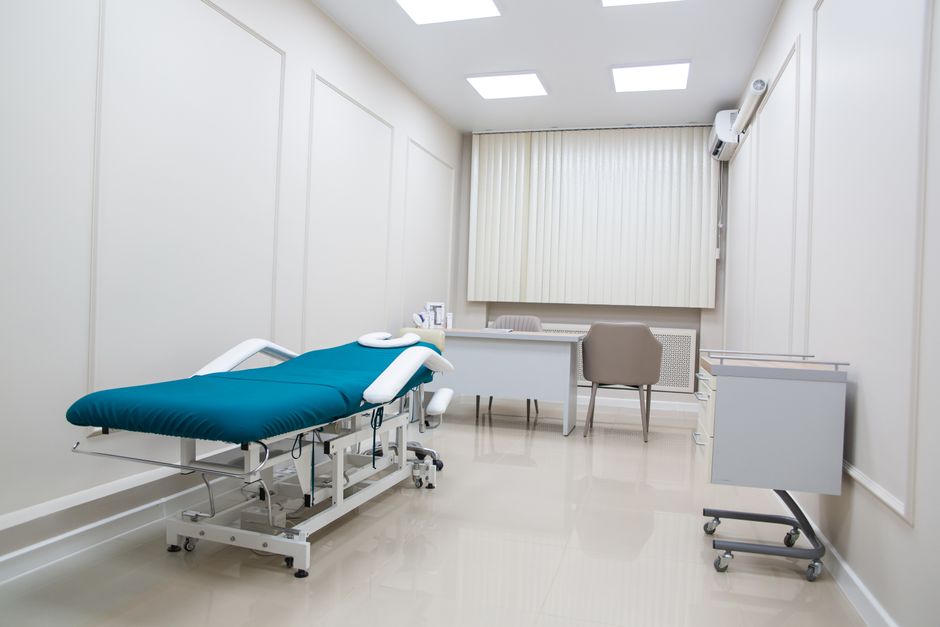
MFDS regulates all devices and procedures with standards matching—or exceeding—US FDA requirements. The Ministry of Food and Drug Safety doesn’t care if you’re Korean or Kazakh; the filler injected into your face faces the same batch testing and facility inspections.
As of 2026, MFDS mandates that any clinic offering Botox or dental implants to foreigners must maintain cold-chain documentation for 7 years.
They also regulate the burgeoning SMILE procedure market for myopia correction. Clinics must report every adverse vision outcome within 24 hours.
This regulatory muscle extends to advertising. MFDS actively fines clinics for misleading before-and-after photos—a level of consumer protection the US FTC rarely exercises in medical marketing.
What is JCI accreditation and should I demand it?
Yes—JCI accreditation means the hospital meets the same standards as Cleveland Clinic or Johns Hopkins. Joint Commission International accredits over 40 Korean hospitals, including Samsung Medical Center and Severance Hospital.
JCI accredits hospital quality through unannounced inspections every three years. They check infection control, surgeon credentialing, and whether the anesthesiologist speaks enough English to understand your allergy history.
Most competitors in Seoul’s Gangnam district skip JCI certification. They opt for cheaper Korean-only accreditations that don’t require English-language medical records.
That’s your warning sign.
Is South Korea safe for US citizens seeking myopia treatment?
South Korea maintains Level 1 safety status from the US State Department as of 2026, making it safer than most European capitals for American medical tourists. The specific risks for US citizens aren’t violent crime—they’re procedural misunderstandings.
Thousands of Americans fly to Seoul specifically for vision correction. Korea dominates the global SMILE procedure market for myopia, using technology often unavailable in the US until FDA lag catches up.
But here’s the catch. Korean ophthalmologists sometimes prescribe more aggressive vision correction than American standards recommend. They might correct both eyes to 20/15 when US doctors stop at 20/20 to preserve night vision.
How does HIRA protect medical tourism patients from malpractice?
HIRA audits every hospital treating foreigners annually and can suspend international patient privileges immediately for safety violations. The Health Insurance Review & Assessment Service functions like Medicare’s CMS in the US, but with sharper teeth.
HIRA mandates transparent pricing. When you receive a quote for blepharoplasty, the breakdown must include surgeon fees, anesthesia, facility use, and mandatory post-op medications.
Hidden fees are illegal. If you’re charged $2,000 more than quoted, HIRA investigates within 48 hours.
This oversight extends to staffing. As of 2026, HIRA enforces Korea’s 52-hour work week for medical staff. Your surgeon won’t be exhausted from a 36-hour shift when they open your eyelids.
What are the 52-hour and 3-day rules affecting medical tourists?
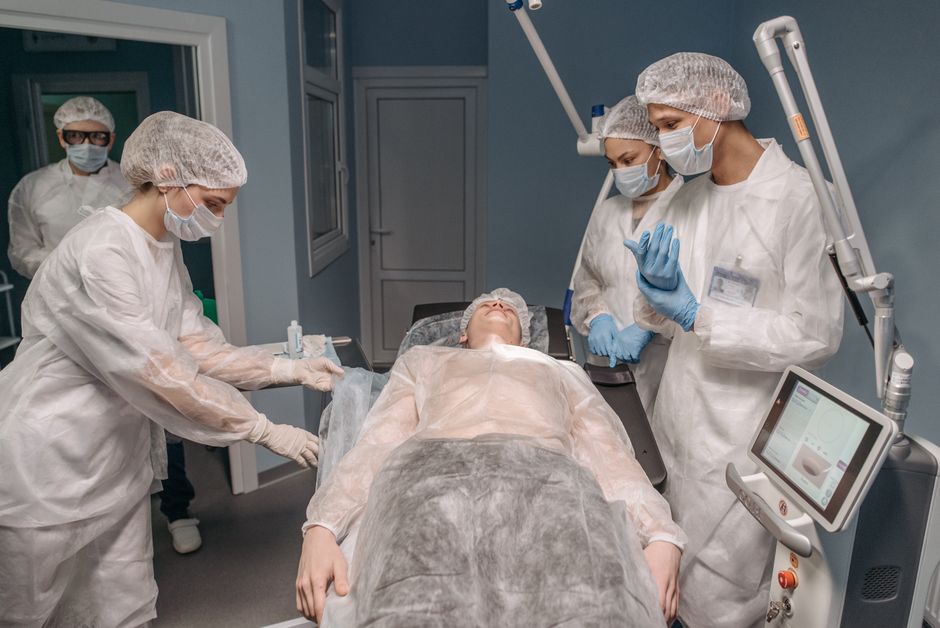
The 52-hour rule limits medical staff working hours to prevent fatigue, while the 3-day rule governs post-operative stay requirements before international travel clearance. Most blogs get this wrong. These aren’t visa restrictions—they’re safety protocols.
The 52-hour rule emerged from Korea’s 2019 labor reform. Hospitals treating foreigners must now rotate surgeons to comply.
Good clinics schedule your rhinoplasty on Tuesday morning so the primary surgeon—working under 52-hour limits—handles your Wednesday follow-up personally.
The 3-day rule is different. Korean anesthesiologists won’t clear you for long-haul flights until 72 hours post-op for general anesthesia cases.
This affects your hotel booking and medical tourism package planning.
What are the hidden risks no one mentions in Korean medical tourism?
The gravest danger isn’t unsterile scalpels—it’s unlicensed medical tourism brokers taking 30-50% commissions. Korea licenses legitimate agencies through KHIDI, but Instagram “coordinators” operate in legal gray zones.
These brokers often recommend extreme procedures. A broker might push jaw shaving when you asked about subtle cheek filler. They receive kickbacks from clinics desperate for foreign cash flow.
Unlicensed brokers also void your legal protections. If a government-certified agency books your surgery and something goes wrong, Korean medical tort law applies.
If an Instagram broker arranges it, you’re technically a “private guest” with limited recourse.
Another gap: aftercare. Korean clinics excel at surgery but often discharge you with Korean-only wound care instructions.
Bring a translator app—or better, book through agencies providing 24/7 English nursing hotlines.
What are hospitals in Seoul for foreign patient safety?
Bets are JCI-accredited university hospitals with dedicated International Health Care Centers. Asan Medical Center, Samsung Medical Center, and Severance Hospital maintain staff specifically trained in cross-cultural patient rights.
These facilities also handle complications better. If your dental implant fails or your LASIK flap dislocates, they have emergency oral surgeons and ophthalmologists on-call—unlike small cosmetic clinics that close at 6 PM.
For medical checkups rather than surgery, Seoul’s hospitals for foreigners offer package screening with English radiologists interpreting your CT scans immediately.
Frequently Asked Questions
What is the best medical tourism company in South Korea?
There is no single “best” company, but safe choices hold KHIDI government licenses and maintain partnerships exclusively with JCI-accredited hospitals. Look for agencies that assign you a dedicated case manager with nursing credentials, not just a sales representative. The top-tier coordinators disclose their commission rates upfront—usually 10-15% of procedure costs.
What is the 52 hour rule in Korea?
It’s a labor law capping medical staff at 52 working hours weekly to prevent surgical errors from fatigue. For you, this means your surgeon won’t be sleep-deprived, but availability books up faster. Schedule procedures in the middle of the week, not Friday mornings when weekly hour limits cut into weekend coverage.
Is it safe for US citizens to visit South Korea?
Yes—South Korea maintains Level 1 (Exercise Normal Precautions) travel status from the US State Department as of 2026. Violent crime against foreigners is statistically lower than in most US cities. The primary safety concerns are traffic accidents and medical miscommunication, not security threats.
What is the 3 day rule in Korea?
It’s a post-operative observation requirement preventing patients from flying until 72 hours after general anesthesia. This protects against cabin pressure complications after facial bone surgeries or extensive liposuction. Budget for three extra hotel nights in your medical tourism package.
How do I verify if a clinic is legitimately JCI accredited?
Visit JCI’s official website and search the hospital name in their accredited organization database—don’t trust certificates hanging in clinic lobbies. JCI accreditation expires every three years. If the certificate shows 2019, the hospital lost accreditation status unless renewed in 2022 or 2025.
Related Reading
- Korean Medical Tourism Packages — What to check when choosing
- Medical Tourism Agencies in Korea — What to check when choosing
- Hospitals for Medical Checkup in Seoul for Foreigners — What to check when choosing
Last updated: May 01, 2026