
- Double eyelid surgery (blepharoplasty) remains the #1 procedure in Korea for 2025, but the trend has shifted toward ptosis correction and functional myopia-related adjustments.
- Non-surgical treatments like Sylfirm X, Rejuran, and micro-refined neurotoxins (e.g., MFDS-regulated Botox) are rising fast — favored by medical tourists for minimal downtime.
- Facial contouring (V-line, zygoma reduction) and rhinoplasty continue to dominate, with an emphasis on facial harmony rather than dramatic change.
- Look for clinics with JCI accreditation and HIRA data — these are your strongest safety signals when booking packages.
Walking into a consultation at a Seoul clinic in 2025 feels different than it did five years ago.
Instead of patients asking solely “Can you make my nose smaller?” the conversation now revolves around balance, prevention, and subtle enhancement. Korean plastic surgery trends have matured — and if you’re planning a medical tourism trip, understanding these shifts is essential.
As of 2026, the $4 billion Korean aesthetic market is still the world’s most dynamic. But the “Korean look” is no longer a single look. Here’s exactly what’s trending, what’s fading, and how to navigate it safely.
What Is the Most Popular Plastic Surgery in Korea in 2025?
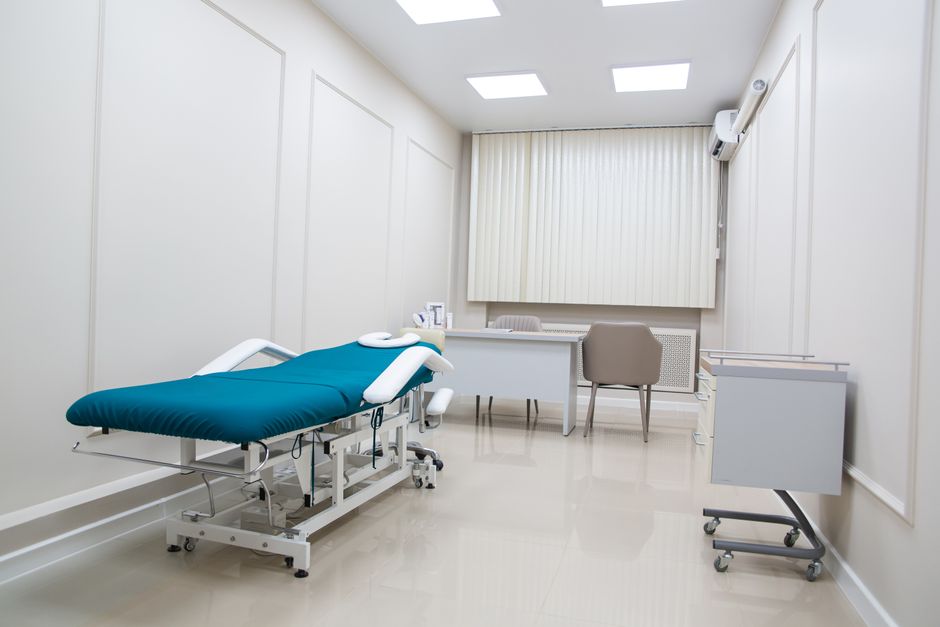
Double eyelid surgery (blepharoplasty) remains the most requested procedure in 2025, and it remains the entry point for most first-time patients. But the big story is evolution, not stagnation.
The typical Asian blepharoplasty now includes ptosis correction — lifting the drooping eyelid muscle — and addressing myopia-related eye strain by adjusting lid tension. It’s no longer just about the crease; it’s about functional vision improvement.
| Procedure | Popularity Rank 2025 | Key Trend |
|---|---|---|
| Double Eyelid / Blepharoplasty | #1 | Functional + aesthetic ptosis & myopia correction |
| Rhinoplasty (Korean Nose Job) | #2 | Subtle bridge augmentation, tip refinement |
| Facial Contouring (V-line, Zygoma) | #3 | Customized facial harmony, less aggressive cuts |
| Non-Surgical (Sylfirm X, Rejuran) | Rising | Preventative anti-aging for younger tourists |
What Are the Top K-Beauty Trends in 2025 According to Experts?
Forbes recently highlighted four treatments that dominate 2025 K-Beauty: Sylfirm X with Rejuran, Carboxy Gel Face Masks, Thermage, and Morpheus8. These are not surgical — but they’re driving huge interest from medical tourists who want results without scalpels.
Micro-refined neurotoxin application is another star. As Gangnam Medical Concierge reported in late 2025, Korea’s Botox innovations now use pinpoint injection patterns that MFDS regulates for safety, allowing for more natural facial expression while preventing wrinkle formation.
Why Are Non-Surgical Procedures Trending in Korea in 2025?
Non-surgical procedures are trending because they offer minimal downtime, lower cost, and results that build over time. A single visit for Carboxy Gel Face Masks or Sylfirm X costs a fraction of a facelift and requires no general anesthesia.
Non-surgical aesthetic procedures in Seoul’s Gangnam district are growing faster than surgical ones. Medical tourists appreciate being able to fly in, get treated, and sightsee the next day.
How Do JCI Accreditation and MFDS Regulation Ensure Safety in Korean Clinics?
JCI (Joint Commission International) accreditation is the gold standard for hospital quality in Korea. Clinics like Samsung Medical Center and Severance Hospital are JCI-accredited — meaning they meet rigorous international safety protocols. But how does that affect you as a medical tourist?
JCI accreditation ensures your surgery is performed in a facility with proper infection control, anesthesia safety, and emergency protocols. It’s not required for all Korean clinics, but those that have it are often preferred by clinics in Korea.
Meanwhile, MFDS (Korea’s Ministry of Food and Drug Safety) regulates all medical devices and injectables used in Korean clinics.
Every syringe of Botox, every implant used in rhinoplasty, and every dental implant (if you’re considering multi-package trips) must pass MFDS approval. This gives you peace of mind that products are safe and effective.
What Is the Role of Myopia and Ptosis Correction in Korean Blepharoplasty?
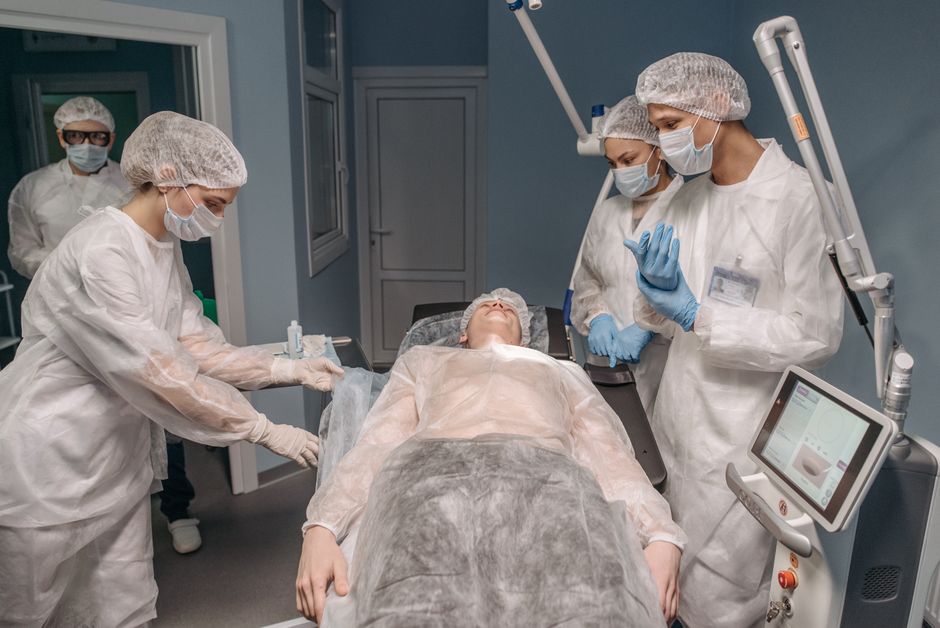
Myopia (nearsightedness) and ptosis (drooping eyelid) are now central to modern Korean blepharoplasty. In 2025, many patients with myopia experience chronic brow strain from squinting — and surgeons have learned that adjusting lid position can reduce this tension.
Blepharoplasty corrects ptosis by tightening the levator muscle, which simultaneously creates a more open eye shape. When combined with double eyelid surgery, the result is both functional and aesthetic. A large share of blepharoplasty procedures in Seoul now include some form of ptosis repair.
If you have myopia and need glasses, mention it to your surgeon — they may recommend a specific incision technique that accommodates your prescription needs.
What Should Medical Tourists Expect from Plastic Surgery Trends in 2026?
Looking ahead, 2026 will see even more personalized, AI-driven treatment planning and a deeper focus on non-invasive body contouring. Rhinoplasty will continue to evolve toward “facial harmony” rather than a standardized look. Body procedures like liposuction are being replaced by precision aesthetics — targeted fat reduction with minimal scarring.
Another emerging trend is the rise of medical tourism packages that combine plastic surgery with dental implants or dermatology. Many best plastic surgery packages in Korea now offer bundled quotes for simultaneous procedures, helping you save time and money.
What Are the Most Common Questions About Korean Plastic Surgery Trends?
What is the most popular plastic surgery in 2025?
Double eyelid surgery (blepharoplasty) is the most popular, with a focus on ptosis and myopia correction. According to Seoul Cosmetic Surgery, it holds the #1 spot for both Korean and international patients.
What is the trend in K beauty in 2025?
The trend is prevention and combination therapy. Non-surgical treatments like Sylfirm X with Rejuran and micro-refined neurotoxins are dominant. Wearable beauty tech and deep-calming face masks (Carboxy Gel) are also on the rise.
What is the trend in plastic surgery in Korea?
Korean plastic surgery in 2025 leans toward subtle, functional enhancement. Facial contouring has become less aggressive, rhinoplasty emphasizes natural harmony, and procedures increasingly address medical issues like myopia-related eye strain.
What are the trends in plastic surgery in 2026?
AI-driven planning, multi-procedure packages, and body contouring with minimal downtime are expected to lead in 2026. Clinics with JCI accreditation will attract more international patients seeking safety and efficiency.
Related Reading
- Plastic Surgery Clinics in Korea
- Plastic Surgery Clinics in Seoul
- Plastic Surgery Packages in Korea
Last updated: May 02, 2026