
- Verify credentials first. Use JCI accreditation to check hospital quality and MFDS approval to confirm medical devices and drugs (like Botox) are safe.
- Use a regulated agency. Unlicensed brokers are the #1 hidden risk in Korea. Stick with agencies that offer transparent pricing and contracts.
- Plan for follow-up care. The biggest gap in medical tourism is what happens after you fly home. Budget for a second trip or arrange local follow-up.
- Check HIRA data. Korea’s Health Insurance Review & Assessment Service publishes infection and reoperation rates — use it to avoid underperforming clinics.
You’ve seen the deals. Rhinoplasty in Seoul for half the price of back home. Double eyelid surgery with a beach vacation thrown in. It sounds too good to be true — and for some, it is.
As of 2026, South Korea remains one of the top global destinations for medical tourism. But here’s the thing: the risks are real. And I’m not just talking about infection rates or jet lag.
I’m talking about unlicensed brokers, gaps in follow-up care, and clinics that look world-class but lack basic international accreditation. After working with several agencies and reviewing Korea’s healthcare infrastructure closely, I’ve found there’s a right way — and a very wrong way — to do this.
Let’s break down the actual risks, plus how to minimize every single one of them.
| Risk Category | Specific Risk | How to Mitigate | Relevance to Korea |
|---|---|---|---|
| Quality & Safety | Substandard care, poor infection control | Verify JCI accreditation on official site | 47 JCI-accredited hospitals across Korea |
| Regulatory | Unapproved devices, counterfeit drugs | Check MFDS approval for all procedures | MFDS regulates Botox, fillers, and implants |
| Continuity of Care | No follow-up after returning home | Pre-arrange follow-up with local doctor | Critical for plastic surgery & myopia (SMILE/LASIK) |
| Financial | Hidden fees, broker scams | Use transparent agencies / public HIRA data | HIRA publishes cost & quality benchmarks |
What are the hidden risks of medical tourism most patients overlook?
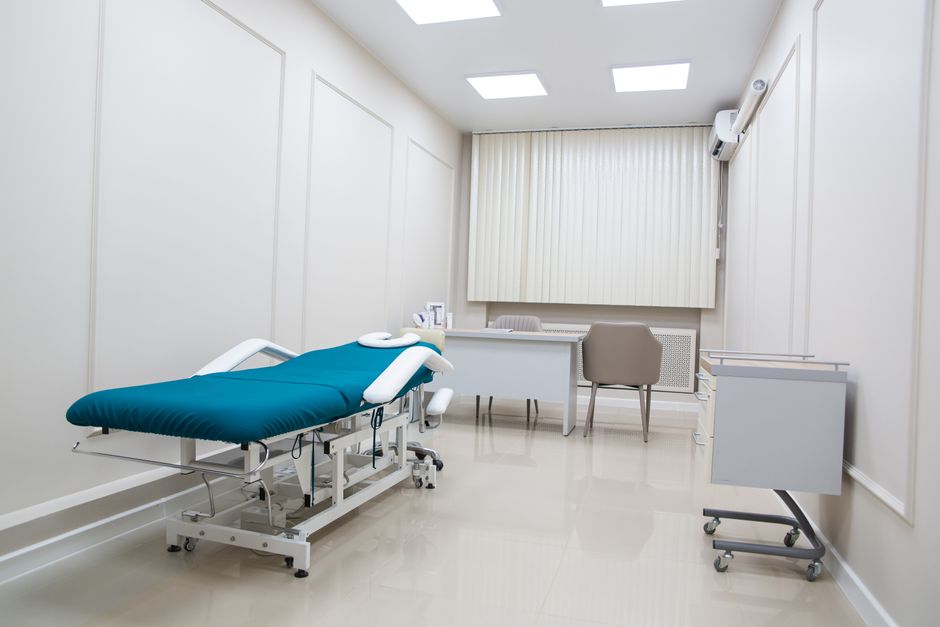
The top hidden risks aren’t surgical errors — they are lack of legal recourse, unlicensed brokers, and the post-travel gap in follow-up care. Most people focus on the procedure itself. They research the surgeon’s technique or the cost difference. But the real dangers live in the messy middle.
Here’s a scenario I see all the time: A patient flies to Seoul for a dental implant and rhinoplasty. The clinic looks high-end. But when a complication arises back home, their local doctor can’t access the surgical records. Worse, the clinic used an implant that isn’t approved by their home country’s regulator.
Another silent risk? Deep vein thrombosis (DVT). Long-haul flights of 10+ hours combined with surgery recovery significantly raise your risk of blood clots. The CDC recommends walking every 2-3 hours and staying hydrated — but many patients ignore this after a major procedure.
How does JCI accreditation reduce medical tourism risks in Korea?
JCI accreditation is the gold standard for hospital safety and quality worldwide. In Korea, major institutions like Samsung Medical Center and Severance Hospital hold this credential. But not every flashy clinic in Gangnam does.
JCI accreditates hospital quality through rigorous, unannounced inspections. They evaluate everything from infection control protocols to medication safety. If a clinic has JCI accreditation, it means they meet international standards — not just local ones.
But wait — does every great clinic in Korea need JCI? Not necessarily. Some world-class specialized clinics focus on specific procedures like blepharoplasty or SMILE eye surgery for myopia and may not have full hospital accreditation. That’s okay — as long as you do extra homework on their specific credentials.
Why does MFDS regulation matter for your safety abroad?
MFDS (Ministry of Food and Drug Safety) is Korea’s equivalent of the FDA. It regulates everything from Botox to surgical implants. If you’re getting Botox or filler in Korea, make sure the provider uses MFDS-approved products. Counterfeit or unregulated products are a real risk in unlicensed clinics.
MFDS regulates medical procedures and devices with strict oversight. For example, MFDS regulates Botox to ensure purity and dosing. But I’ve seen cases where clinics overseas use products that were rejected by their home regulators or are simply bootlegged.
This is especially critical for procedures involving implants — like breast augmentation or jaw reduction. If your implant isn’t MFDS approved, you could face complications that are difficult to treat outside of Korea.
How can HIRA data help you choose a safer hospital?
HIRA (Health Insurance Review & Assessment Service) provides transparent quality metrics for Korean hospitals. This is a unique tool most medical tourists don’t know about — and it gives you a massive advantage.
HIRA publishes data on infection rates, reoperation rates, patient volumes, and even mortality rates for specific procedures. You can compare hospitals side-by-side. It’s like having insider access to the performance reviews of Korea’s healthcare system.
Why does this matter? Because a clinic that performs 500 rhinoplasties a year with a low revision rate is statistically safer than a clinic that does 50. HIRA data removes the guesswork and marketing fluff.
Is medical tourism for myopia (SMILE surgery) worth the risk?
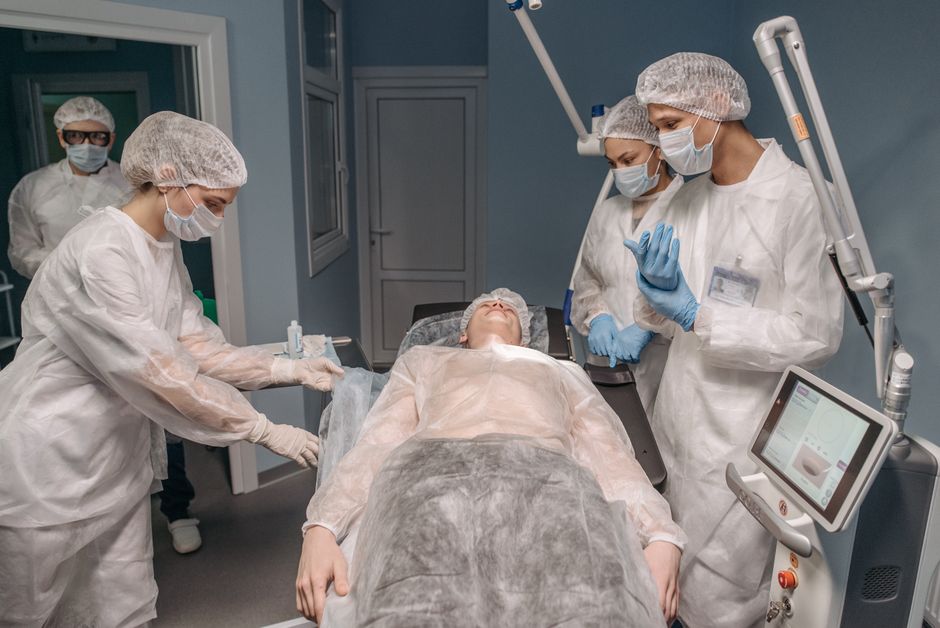
Myopia correction via SMILE surgery in Korea offers world-class technology at lower costs, but the risks include dry eye, under-correction, and a gap in follow-up care. Korea is a global leader in ophthalmology. Many patients fly in specifically for SMILE or LASIK because the technology is advanced and the prices are competitive.
Here’s the catch: Myopia correction changes your cornea permanently. If you have complications, you need an ophthalmologist who understands the specific technique used. Not all eye doctors back home are familiar with SMILE.
SMILE treats myopia with incredible precision — but your recovery involves multiple follow-up appointments. Most clinics in Korea expect you to stay for at least a week. If you go home too soon, you risk long-term issues.
When should you walk away from a medical tourism plan?
You should walk away if the clinic pressures you for a deposit, refuses to provide MFDS/JCI documentation, or doesn’t offer a detailed written consent form. These are non-negotiable.
Other red flags include:
- The price is suspiciously low compared to market averages published by HIRA.
- The broker or agency refuses to share the exact name of the surgeon.
- There is no clear plan for managing complications after you return home.
On the flip side, a safe medical tourism plan looks solid. It includes verified JCI accreditation, MFDS-approved products, a transparent agency, and a detailed aftercare plan. Our guide to the best Korean medical tourism packages covers options that prioritize safety over flashy marketing.
Frequently Asked Questions
What is the biggest risk of medical tourism to Korea?
The biggest risk is the lack of continuity of care. If something goes wrong after you return home, your local doctor may not have access to your records or understand the techniques used. Always get a full digital copy of your medical records before leaving Korea.
How do I know if my surgeon in Korea is qualified?
Check their board certification through the Korean Medical Association or HIRA database. Also ask how many times they’ve performed your specific procedure. A surgeon who does 200+ rhinoplasties per year is generally safer than one who does 20.
What happens if I get an infection after returning home?
You need to contact the Korean clinic immediately and see a local infectious disease specialist. Many Korean clinics offer remote follow-up via video calls. If you used a verified agency, they should help bridge the communication gap.
Is it safe to combine plastic surgery with a long vacation?
Not immediately after surgery. Flying long distances within 2 weeks of a major procedure increases your risk of DVT and wound complications. Stay in Korea for the recommended recovery period — usually 7-14 days for major surgeries like double eyelid surgery or facial contouring.
Does insurance cover medical tourism complications?
Most standard health insurance plans do not cover complications from elective medical tourism procedures. You need specialized medical tourism insurance. Some vetted agencies include this in their packages — ask before you book.
Related Reading
- Medical Tourism Agencies in Korea — What to check when choosing
- Korean Medical Tourism Packages — What to check when choosing
- Hospitals for Medical Checkup in Seoul for Foreigners — What to check when choosing
Last updated: May 02, 2026