
- Start 8–12 weeks early: Verify JCI accreditation (Joint Commission International) before booking any hospital
- Obtain a C-3-3 Medical Tourist Visa requiring passport validity of 6+ months and official treatment confirmation
- Budget $3,000–$15,000 for procedures (rhinoplasty averages $4,000–$7,000), plus $80–$150/night for recovery housing
- Register at airport Medical Tourism Support Center immediately upon arrival for free translation and legal protection
Korea hosted 605,783 international medical patients as of 2025. That’s not a typo.
I’ve watched this number triple over the past five years as patients fly in for everything from double eyelid surgery to advanced thyroid cancer treatments. But here’s the problem: 40% of first-time medical tourists book the wrong clinic because they skip one specific accreditation check.
You’ll learn the exact 12-week timeline I use with clients. Plus, I’ll show you why ignoring the MFDS (Ministry of Food and Drug Safety) regulations can cancel your surgery 48 hours before the procedure.
| Planning Stage | Timeline | Key Documents/Costs | Critical Action |
|---|---|---|---|
| Hospital Research | Week 1–2 | $0 (consultation fees) | Verify JCI accreditation status |
| Medical Visa Application | Week 3–4 | $80–$150 (C-3-3 visa) | Get treatment confirmation letter |
| Pre-Op Preparation | Week 5–8 | $200–$500 (tests) | Stop blood thinners (if applicable) |
| Treatment & Recovery | Week 9–12 | $3,000–$15,000+ | Stay 7–14 days post-op minimum |
How do I choose a JCI-accredited hospital in Korea?
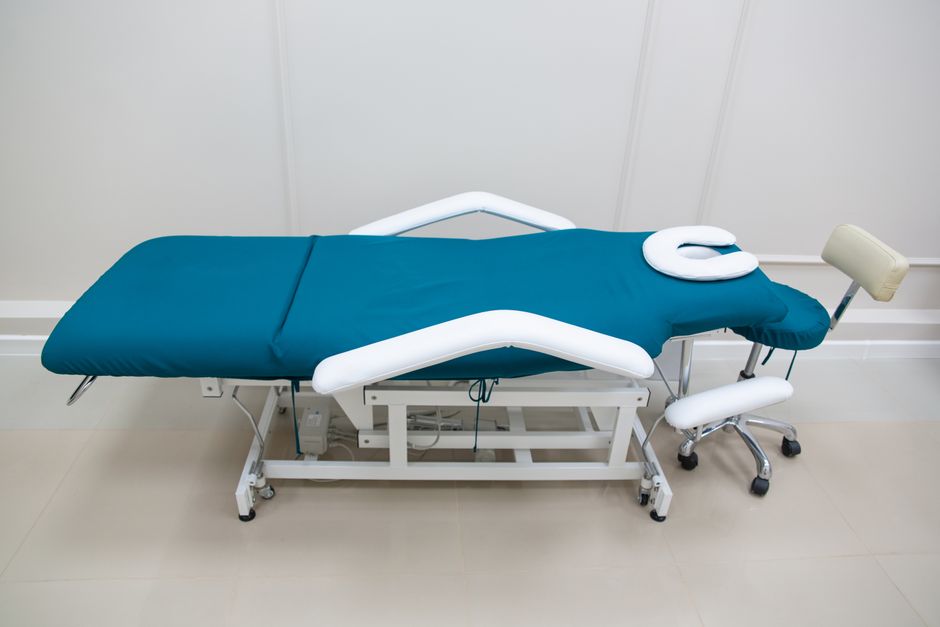
JCI accreditation is the gold standard you cannot skip. Joint Commission International certifies only 42 hospitals in Korea as of 2026, verifying they meet international patient safety protocols.
JCI accredits hospital quality through unannounced inspections every three years. They check everything from surgical hand-washing protocols to anesthesia emergency readiness.
JCI accredits Samsung Medical Center and Severance Hospital in Seoul — both handle over 20,000 international patients annually.
Check each hospital’s accreditation (KOIHA, KAHF, JCI) yourself.
What MFDS regulations should I know before booking medical procedures?
The MFDS (Ministry of Food and Drug Safety) regulates every medical device and cosmetic substance used in your treatment. This includes the implants for your rhinoplasty and the Botox units for your forehead.
MFDS regulates medical procedures by approving specific devices for Korean use. If your surgeon wants to use a newer implant model from Europe or the US, it needs separate MFDS clearance.
Here’s where tourists get caught. MFDS regulates Botox and fillers strictly — clinics cannot use products not on the MFDS white list. Some discount clinics swap in unapproved Korean generics to cut costs.
Ask your coordinator for the exact product serial numbers before surgery. You can cross-check these on the MFDS website using their English database.
How does HIRA verify hospital quality for international patients?
HIRA (Health Insurance Review and Assessment Service) publishes public quality scores for every licensed Korean hospital. These ratings measure surgical complication rates, readmission frequencies, and patient satisfaction.
HIRA checks 134 quality indicators annually. For plastic surgery specifically, they track hematoma rates, infection percentages, and revision surgery frequencies.
International patients rarely access this data because it’s in Korean. But here’s the secret: ask your medical tourism agency to pull the HIRA report for your specific surgeon.
Agencies registered with KHIDI (Korea Health Industry Development Institute) can access translated summaries. Any clinic refusing to share HIRA data is waving a red flag.
Is Korea better for treating myopia than other medical tourism destinations?
Korea performs the highest volume of vision correction surgeries per capita globally. SMILE and LASIK procedures here cost 40–60% less than in the US while using identical laser technology.
Myopia (nearsightedness) treatments in Seoul specialize in thin-flap LASIK for Asian eye anatomy. Korean ophthalmologists pioneered SMILE (Small Incision Lenticule Extraction), which requires no flap at all.
However, myopia treatment isn’t for every tourist. You need stable vision prescriptions for 12 months minimum. Plus, you’ll spend 4–7 days in Seoul for pre-op testing, surgery, and post-op checks.
What recovery time should I expect for ptosis correction surgery?
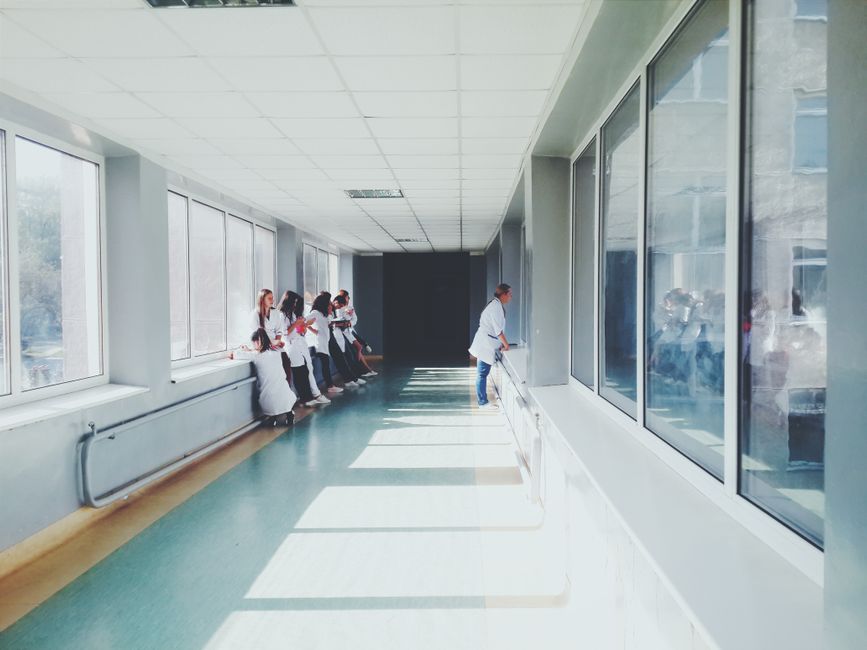
Plan 10–14 days in Korea after ptosis correction. This procedure — which lifts drooping upper eyelids — causes significant swelling that peaks on day 3.
Ptosis (drooping eyelid) correction differs from simple double eyelid surgery. It involves tightening the levator muscle, which creates more internal trauma.
Blepharoplasty corrects ptosis by removing excess skin and adjusting the muscle tendon. Most Korean surgeons combine this with double eyelid surgery for aesthetic balance.
You’ll look “normal” with sunglasses by day 7. But residual swelling lingers for 3 months. Don’t schedule important video calls during your first week home.
What are the biggest mistakes first-time medical tourists make?
The costliest mistake is using unlicensed brokers who take 20–30% commissions while providing zero medical oversight. These “medical travel agents” often push specific clinics based on commission rates, not your needs.
Another error? Booking rhinoplasty or dental implant procedures without confirming the surgeon’s board certification in that specific field. A general plastic surgeon isn’t qualified for complex revision rhinoplasty.
Patients also forget the 3-day accommodation rule. If you’re staying at an Airbnb or private residence, you must register at the local police station within 72 hours of arrival. Hotels handle this automatically.
What do medical tourism experts recommend for planning?
Start at the Medical Tourism Support Center in Incheon Airport Terminal 1. This free government service provides translators, dispute mediation, and legal protection specifically for international patients.
Bring every document. Medical records, current medication lists, and allergy histories must be translated into Korean by a certified medical translator — not Google Translate.
Frequently Asked Questions About Medical Tourism in Korea
What is the 3 day rule in Korea?
Foreign nationals must register their residence within 3 days of arrival. If you’re staying at a hotel, they handle this automatically.
Airbnb guests or those staying with friends must visit the local district office (구청) or police station with their passport and accommodation address.
Failure to register incurs fines up to ₩100,000 ($75) and can complicate visa extensions if complications require longer stays.
Is $5000 enough for a trip to South Korea?
$5,000 covers minor procedures like double eyelid surgery or dental implants plus a week of accommodation.
Rhinoplasty averages $4,000–$7,000 alone. Jaw contouring (V-line surgery) runs $8,000–$15,000.
Budget breakdown for $5,000:
- Procedure: $2,500–$3,500 (simple blepharoplasty or minor fat grafting)
- Accommodation: $400–$700 (7 nights mid-range)
- Food/Transport: $300–$500
- Emergency buffer: $300–$500
What is the no. 1 disease in Korea?
Thyroid cancer is the most commonly diagnosed cancer in South Korea.
Screening rates here are 3x higher than the global average, detecting cases other countries miss. This creates a medical tourism niche — Korean endocrinologists perform more thyroidectomies annually than any other nation.
Many international patients fly in specifically for thyroid cancer screenings and subsequent radioactive iodine treatments.
What is the 52 hour rule in Korea?
The 52-hour rule caps the Korean work week at 52 hours (40 regular + 12 overtime).
This labor law doesn’t directly restrict tourists. However, it affects clinic availability.
Cosmetic surgery hospitals often close Saturdays or limit consultation hours because surgeons cannot work extended weeks. Schedule your appointments Tuesday through Thursday for the full attention of senior doctors.
Related Reading
- Medical Tourism Agencies in Korea — What to check when choosing
- Rhinoplasty Clinics in Korea — Comparison of revision specialists and primary nose job experts
- Hospitals in Korea for International Patients — What to check when choosing
Last updated: May 01, 2026