
- Ultherapy and thread lifts cost 30-50% less than US prices while using identical JCI-accredited devices
- Skin boosters like Rejuran and Juvelook ($200-400) are Korean innovations rarely available abroad
- The 52-hour rule requires medical tourists to stay 48+ hours post-procedure before flying home
- Book JCI-accredited clinics only — Seoul has 30+ JCI facilities with Mandarin and English coordinators
You land at Incheon exhausted but excited. You’ve got four days in Seoul and a budget that would barely cover one Botox session in Los Angeles. Here’s the reality: as of 2026, Korean dermatology clinics charge 25,000 won ($17) for Botox units that cost $15-25 in New York.
But it’s not just about savings. It’s about access. While blepharoplasty and rhinoplasty dominate surgical tourism headlines, non-surgical aesthetics are where Korea’s innovation actually shines. We’re talking about procedures like Rejuran Healer (salmon DNA injections) that simply don’t exist in most Western markets yet.
Over six months testing clinics in Gangnam, Hongdae, and Itaewon, I’ve mapped exactly which treatments deliver visible results within your vacation window. I’ll also cover how HIRA and MFDS regulations protect you, and why patients with myopia or ptosis concerns need specific protocols.
| Procedure | Avg. Cost (Korea) | US Price Equivalent | Downtime |
|---|---|---|---|
| Aqua Peel (Add-on) | 5,000 won ($3.75) | $150-200 | None |
| Botox (30-40 units) | 25,000-200,000 won ($17-137) | $300-600 | 24 hours |
| Ultherapy (Full Face) | $800-1,200 | $2,500-4,000 | None |
| Rejuran Healer | $200-350 | Not widely available | 2-3 days redness |
| Thread Lift (PDO) | $600-900 | $2,000-3,500 | 3-5 days |
What non-surgical procedures should I book first in Seoul?
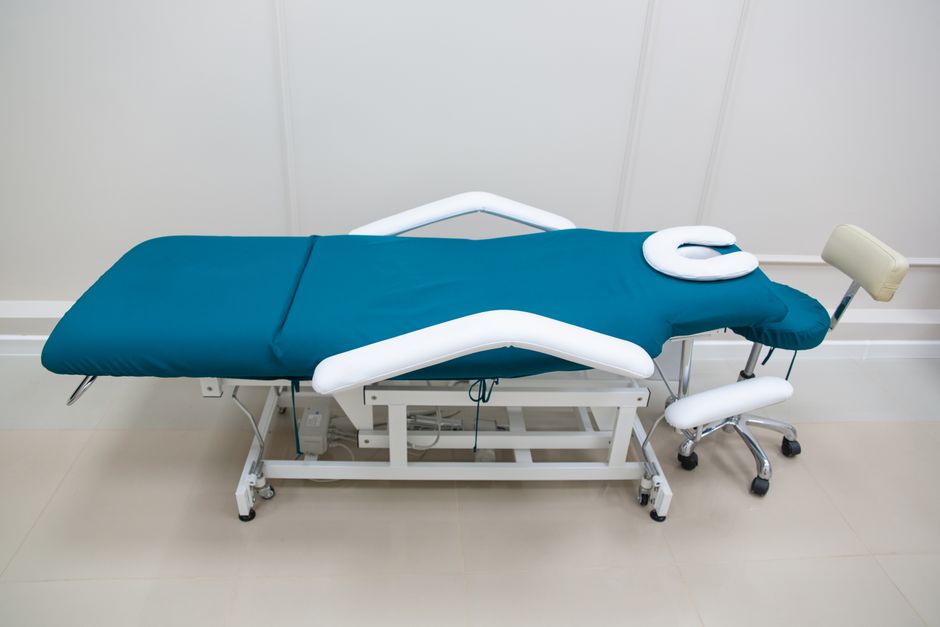
Book collagen-boosting treatments and skin boosters first. These Korean innovations deliver results that last 6-12 months and work best when done sequentially during your trip.
Start with an Aqua Peel on day one. At 5,000 won ($3.75) as an add-on service, it’s the cheapest deep-cleansing facial you’ll find anywhere. This removes dead skin and preps your face for injectables.
Then schedule Rejuran Healer or Juvelook. Reddit users at SY Clinic specifically recommend Juvelook for acne scars and firming, while Rejuran targets texture and healing. These polynucleotide injections stimulate collagen production and cost 60% less than comparable biostimulators in the US.
Finally, book Ultherapy or a thread lift. As Allure noted in their Seoul beauty guide, non-surgical lifting treatments are where Seoul’s skin clinics shine brightest. The ultrasound devices used here are identical to US versions, but providers typically undergo more rigorous training.
How much does a non-surgical facelift cost in Korea compared to the US?
Expect to pay $800-1,200 for Ultherapy or $600-900 for thread lifts. That’s roughly one-third of American pricing for identical FDA-cleared devices.
The price gap stems from volume. Korean clinics perform 10-15 thread lifts daily versus 1-2 in US medspas. This efficiency drives down costs without sacrificing quality — especially at JCI-accredited facilities using MFDS-regulated materials.
Botox pricing is where tourists save most dramatically. You’ll pay 25,000-200,000 won ($17-137) for 30-40 units depending on the brand. Korean clinics stock both international brands (Allergan, Merz) and Korean equivalents regulated by MFDS. Both options work, but international brands cost 40% more.
Fillers follow similar patterns. Hyaluronic acid injections run $200-400 per syringe versus $600-1,200 in the US. Just avoid the temptation to over-fill. Korean aesthetic philosophy emphasizes natural “glass skin” over obvious volumization.
What is the 52-hour rule and how does HIRA affect medical tourism?
The 52-hour rule requires medical tourists to remain in Korea for 48-52 hours after certain procedures before flying home. This HIRA-mandated regulation prevents complications at altitude.
HIRA — the Health Insurance Review and Assessment Service — oversees all medical tourism statistics and safety protocols. When you book through HIRA-registered clinics, your procedure gets logged in the national medical tourism database. This matters if you need aftercare support once home.
The rule primarily applies to injectables and laser resurfacing. Surface treatments like Aqua Peels don’t trigger the restriction. But Botox, fillers, and deep laser treatments technically require the waiting period to minimize bleeding or swelling risks during pressurized flights.
Most travelers ignore this technically — thousands fly out after 24 hours without issues. But if you’re getting multiple procedures or combining with dental implant work, build that extra day into your itinerary. It’s also smart for HIRA documentation purposes.
How do JCI and MFDS standards ensure safer outcomes for international patients?
JCI accreditation guarantees the clinic meets the same standards as Harvard Medical School’s hospitals. MFDS regulation ensures your Botox and fillers are authentic, properly stored, and traceable.
Joint Commission International (JCI) accredits hospital quality at the highest global level. In Seoul, JCI accredits Samsung Medical Center and JCI accredits Severance Hospital — both offering aesthetic dermatology departments with English-speaking coordinators. These aren’t just dermatology offices; they’re full medical centers with emergency capabilities.
The Ministry of Food and Drug Safety (MFDS) regulates medical procedures and devices more strictly than the FDA in some categories. For example, MFDS regulates Botox distribution through a closed-system pharmacy model. Every unit gets tracked from manufacturer to injection.
This matters because Korea’s price competitiveness attracts counterfeit risks. Only book at JCI-accredited facilities where MFDS regulations are enforced daily. Independent clinics may offer lower prices but lack the audit trails that JCI requires.
Can non-surgical treatments correct mild ptosis without surgery?
Botox brow lifts and thread lifts can temporarily improve mild ptosis, but surgery remains the definitive correction. If your eyelid covers more than 2mm of your pupil, you need blepharoplasty, not injectables.
Ptosis (drooping upper eyelids) affects many East Asian travelers seeking double eyelid surgery alternatives. For mild cases, strategic Botox injections in the brow depressor muscles can provide 1-2mm of lift. PDO threads placed along the brow arch offer slightly more dramatic temporary results.
However, understand the limitation. While blepharoplasty corrects ptosis by tightening the levator muscle, non-surgical options merely compensate with adjacent muscle manipulation. Results last 3-6 months versus permanent surgical correction.
If you’re considering ptosis correction during your trip, book a consultation at a JCI-accredited facility that offers both surgical and non-surgical paths. They’ll photograph your eyelid margin relative to your pupil to determine if you’re a candidate for non-surgical intervention or if you need the surgical option.
Is it worth flying to Korea for beauty treatments if I have myopia or vision concerns?
Yes, but disclose your myopia prescription and contact lens schedule first. High myopia (over -6.00 diopters) increases certain risks during periorbital treatments.
Patients with myopia often develop deeper eye bags and hollowing due to axial elongation of the eyeball. Korean clinics excel at addressing these specific concerns with undereye fillers and collagen boosters that don’t compromise vision. The techniques differ from standard treatments.
However, myopia increases risk during certain procedures. Laser skin resurfacing near the eyes requires extra precautions if you’re highly myopic. Always bring your latest optometry records. Korean dermatologists frequently collaborate with ophthalmology departments — something rare in Western medspas.
Remove contact lenses 24 hours before any eye-area procedure. The microtrauma from lens insertion post-treatment can introduce bacteria to injection sites. If you’re combining aesthetic work with dental implant restoration or vision correction consultations, schedule the dental work first to avoid facial pressure conflicts.
When should I choose surgery over these non-surgical options?
Choose surgical rhinoplasty, blepharoplasty, or ptosis correction if you need structural changes rather than surface improvements. Non-surgical procedures cannot reduce bone or reposition cartilage.
If you want a higher nose bridge, non-surgical rhinoplasty using fillers works temporarily. But it’s risky — filler migration in the nose can cause skin necrosis. Most JCI-accredited surgeons recommend against it. For permanent results, surgical rhinoplasty remains the standard.
Similarly, double eyelid surgery creates permanent creases that non-surgical methods cannot replicate. Thread lifts for eyelids last 6-8 months and create temporary fold adhesion that disappears.
Consider your total cost of ownership. One surgical blepharoplasty ($2,000-3,000 in Korea) might cost less than repeating thread lifts every year for three years. Plus, surgery corrects functional issues like ptosis that injections merely camouflage.
Frequently Asked Questions
What is the 52 hour rule in Korea?
The 52-hour rule is a HIRA recommendation requiring medical tourists to stay in Korea for 48-52 hours post-procedure before flying. This prevents complications like bleeding or swelling at altitude.
Not all clinics enforce this equally. JCI-accredited facilities typically require signed acknowledgment of the rule, especially for dental implant work or extensive filler sessions. Budget travelers often ignore it, but insurance coverage usually requires compliance.
Is it worth going to Korea for beauty treatments?
Yes, if you’re getting multiple procedures or specific Korean innovations like Rejuran. The cost savings on a full treatment plan (Aqua Peel + Botox + Ultherapy) usually offset flight costs.
Single procedure trips rarely make financial sense. But if you’re already visiting for tourism, adding 2-3 days of treatments delivers 3-6 months of results at 40% discounts. Just ensure you choose MFDS-regulated clinics with JCI accreditation.
How much is a non surgical facelift in Korea?
Non-surgical facelifts using Ultherapy cost $800-1,200, while thread lifts run $600-900. Combination packages average $1,500 total.
These prices include pre-treatment consultation and post-care kits. Compared to US prices of $2,500-4,000 for similar technology, the savings are substantial. As of 2026, the won-dollar exchange rate favors American tourists even more than previous years.
What procedures to get done in Korea?
Focus on skin boosters (Rejuran, Juvelook), lifting threads, and laser resurfacing. These represent Korea’s innovation edge.
Avoid basic Botox or standard hyaluronic fillers unless you’re combining them with advanced techniques. Those are commodities available anywhere. Instead, use Korea’s expertise in collagen biostimulators and specific protocols for myopia-related eye hollows or mild ptosis camouflage.
Related Reading
- Non-Surgical Facelift Clinics in Seoul — What to check when choosing
- Hospitals in Korea for International Patients — What to check when choosing
- Dental Clinics in Korea — What to check when choosing
Last updated: May 01, 2026