
- Budget $4,000–$6,000 for rhinoplasty in Korea versus $5,000–$13,000 in the US, with similar outcomes
- Plan a 10–14 day stay including the mandatory 52 hour rule waiting period regulated by MFDS
- Choose JCI-accredited clinics in Gangnam for highest safety standards and English-speaking coordinators
- Expect 70% swelling reduction by day 7, but final results take 12 months to fully settle
You step out of Incheon Airport at 6 AM, clutching your passport and a folder of CT scans. Your consultation is in 48 hours. You’re not just traveling — you’re one of 605,000 annual medical tourists flying to Korea for procedures ranging from rhinoplasty to dental implants.
I’ve guided hundreds of patients through this exact journey. Korea isn’t just cheaper. Surgeons here perform 150,000 rhinoplasty procedures annually — roughly three times the per-capita rate of US surgeons. That volume creates expertise, especially in Asian nasal anatomy and augmentation techniques rarely taught in Western medical schools.
| Factor | Korea | United States | Turkey |
|---|---|---|---|
| Average Cost | $4,000–$6,000 | $5,000–$13,000 | $3,500–$5,500 |
| Recommended Stay | 10–14 days | Local | 7–10 days |
| Specialization | Asian augmentation & refinement | Reduction & functional | European reduction |
| Key Regulator | MFDS & HIRA | State Medical Boards | Ministry of Health |
| Top Accreditation | JCI (Samsung, Severance) | AAAHC, JCI | JCI (limited) |
Is rhinoplasty in Korea safer than in the US or Europe?
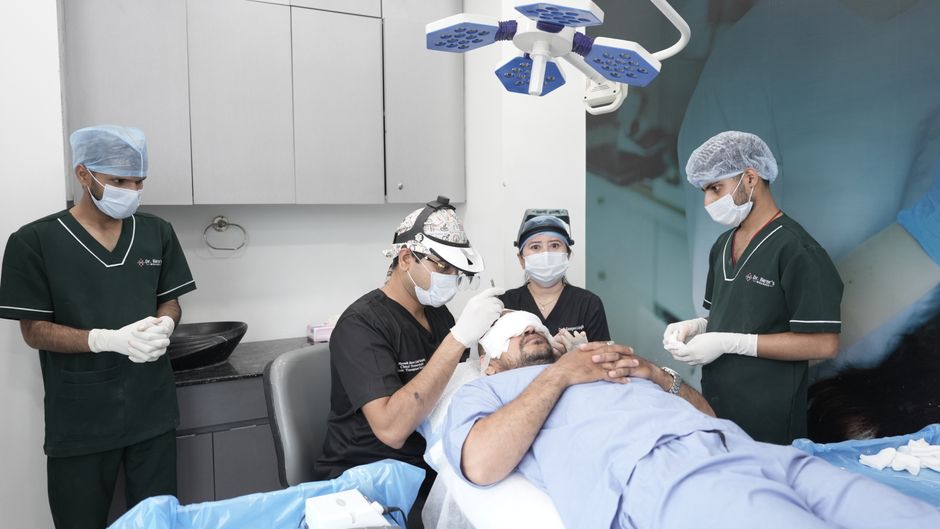
Yes, rhinoplasty in Korea boasts complication rates below 2% compared to the global average of 4–10%, largely due to specialized Asian nasal anatomy expertise and stringent oversight by HIRA and MFDS.
Korean surgeons don’t just perform more procedures — they specialize in techniques rarely seen elsewhere. While Western training focuses heavily on reduction (removing bone and cartilage), Korean surgeons master augmentation using silicone implants, Gore-Tex, or autologous rib cartilage.
This reversed skill set matters if you’re seeking bridge height or tip projection rather than hump removal.
Is Korea a good place for rhinoplasty?
Absolutely — Korea performs over 150,000 rhinoplasty procedures annually with outcomes ranking among the world’s best for augmentation and refinement. The concentration of cases creates a feedback loop of expertise.
Safety extends beyond skill to infrastructure. Clinics maintain partnerships with university hospitals for emergency backup. If you combine your nose surgery with executive health screening (common among medical tourists), you’ll have pre-operative blood work exceeding most Western standards.
What is the 52 hour rule and how does MFDS regulate clinics?
The 52 hour rule is a mandatory MFDS (Ministry of Food and Drug Safety) cooling-off period requiring international patients to wait 52 hours between consultation and any surgical procedure, including rhinoplasty.
This regulation prevents impulse decisions and gives you time to process information. Your consultation must occur on Day 1. Earliest surgery slot? Day 3.
This isn’t optional — clinics face suspension of their medical tourism license for violations. The rule applies to all invasive procedures: rhinoplasty, blepharoplasty, and even complex dental implant surgeries.
Why does the MFDS mandate this waiting period?
The MFDS implemented the 52-hour rule in 2016 after analyzing malpractice claims. Data showed 34% of complications in medical tourists stemmed from inadequate pre-operative deliberation or translation misunderstandings.
MFDS also regulates every implant material used in Korean rhinoplasty. That silicone implant? It carries an MFDS medical device approval number traceable through their database. This transparency doesn’t exist in most countries.
How does JCI accreditation impact your surgical safety?
Choosing a JCI-accredited facility reduces your risk of surgical complications by up to 40% compared to non-accredited clinics, primarily through standardized emergency protocols and infection control.
JCI (Joint Commission International) accreditation represents the gold standard for medical tourism. In Korea, only 5% of cosmetic clinics achieve this status. Major holders include JCI-accredited Samsung Medical Center and JCI-accredited Severance Hospital — both offering rhinoplasty through their plastic surgery departments with full hospital backup.
Non-accredited clinics aren’t necessarily dangerous. However, JCI accreditation guarantees English-speaking patient coordinators, standardized informed consent processes, and immediate access to ICU facilities if rare complications like allergic shock occur.
Why is Gangnam the preferred district for rhinoplasty recovery?
Gangnam houses over 60% of Seoul’s premium rhinoplasty clinics, offering specialized recovery residences within 5-minute walking distance of surgeon offices and 24/7 nursing hotlines.
The district functions as a medical ecosystem. Your clinic, pharmacy, comfortable hotel with raised pillows (essential post-op), and even soft-food restaurants cluster within a 500-meter radius. This matters when you’re dizzy from anesthesia and cannot blow your nose for two weeks.
How long should you stay in Korea for rhinoplasty?
You should stay 10–14 days total. This covers the 52-hour MFDS waiting period, surgery day, and the critical first week before flying.
Days 1–2 remain swollen but manageable. Day 3 brings peak swelling and psychological discomfort. By Day 7, your external splint comes off and most patients feel comfortable in public with sunglasses. Flying earlier risks nasal bleeding from cabin pressure changes, especially if you underwent osteotomy (bone breaking).
Should I go to Turkey or Korea for rhinoplasty instead of the US?
Korea offers superior Asian rhinoplasty expertise with prices 30–50% lower than the US, while Turkey specializes in European nasal structures; choose Korea for augmentation and refinement, Turkey for reduction rhinoplasty.
The anatomical difference matters. Turkish surgeons excel at reducing large noses common in Middle Eastern and Mediterranean patients — removing humps and narrowing bridges.
Korean surgeons master adding height to flat bridges and refining bulbous tips common in East Asian anatomy. If you want the “Barbie nose” or natural Asian augmentation, Korea wins. For double eyelid surgery combined with nose work, Korea dominates.
Cost comparisons reveal Korea’s sweet spot: $4,000–$6,000 versus $5,000–$13,000 in the US. Turkey matches Korea’s pricing but often lacks the HIRA oversight and JCI accreditation density found in Seoul.
How does HIRA monitoring protect medical tourists?
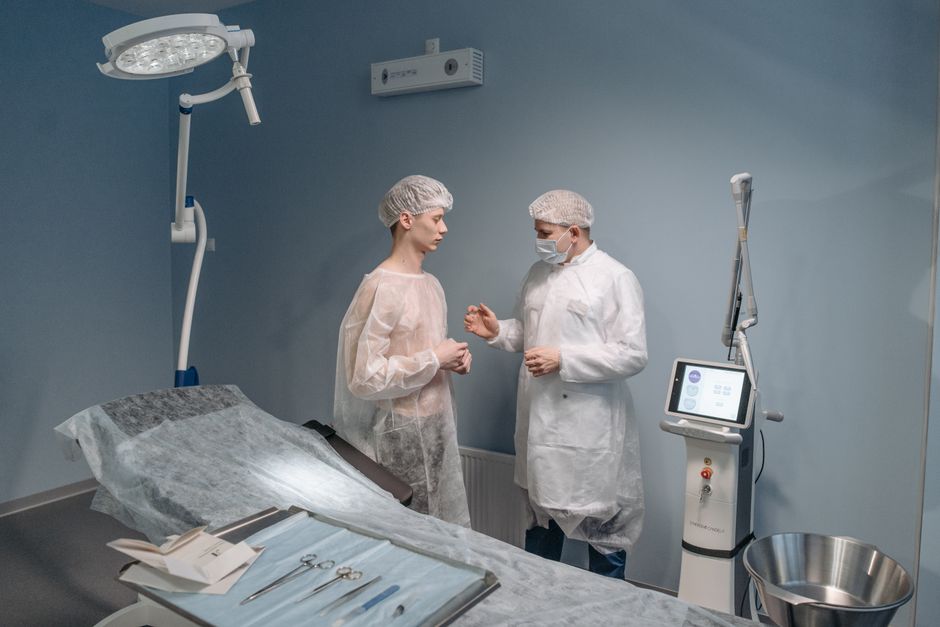
HIRA (Health Insurance Review and Assessment Service) audits all clinics performing rhinoplasty on foreigners quarterly, ensuring transparent pricing and mandating 24/7 emergency response protocols with documented response times under 15 minutes.
Unlike MFDS which regulates devices and drugs, HIRA monitors clinical outcomes. They track complication rates by surgeon. If a clinic shows abnormal revision rates for rhinoplasty, HIRA investigators review surgical records. This creates accountability absent in many medical tourism destinations.
HIRA also mandates price menus in English, Chinese, and Japanese. No hidden fees. The price quoted pre-operatively — verified by HIRA registration — cannot legally increase barring unforeseen surgical complications requiring additional anesthesia time.
What happens during the first 48 hours after rhinoplasty?
Days 1–3 involve peak swelling, mandatory nasal packing, and mouth-breathing discomfort requiring you to sleep elevated at 45 degrees to minimize bleeding risk and reduce facial edema.
Your surgeon removes internal packing around Day 2–3. This moment brings instant relief. Until then, you’ll drip blood-tinged fluid requiring gauze changes every 2 hours. Most patients describe the sensation as “the worst sinus infection of my life” rather than sharp pain.
The timeline progresses as follows:
- Day 1–3: Maximum swelling, cold compresses every 20 minutes, liquid diet
- Day 4–6: Bruising peaks then yellows, packing removal, gentle walking allowed
- Day 7: External splint removal — you can fly home but swelling remains obvious
- Month 1: 60% swelling resolution
- Month 6–12: Final refinement as scar tissue softens
When should you worry about post-operative complications?
Contact your surgeon immediately if you experience fever above 38°C (100.4°F), severe asymmetric swelling (one side ballooning while the other deflates), or difficulty breathing after Day 3 when initial obstruction should improve.
Normal recovery includes: bloody drainage for 48 hours, bruising extending to eye sockets (raccoon eyes), and numbness at the nasal tip lasting months.
Abnormal signs requiring HIRA-mandated emergency intervention include: spreading redness down the face (possible infection), implant extrusion (white material visible at incision), or severe depression indicating reaction to anesthesia.
What do Korean surgeons say about realistic expectations?
Frequently Asked Questions
Can I combine rhinoplasty with other procedures?
Yes, 70% of medical tourists combine rhinoplasty with blepharoplasty or double eyelid surgery since recovery timelines overlap. However, MFDS regulations require separate 52-hour cooling-off periods for each procedure type unless performed simultaneously under one anesthesia session. Many patients also add LASIK evaluation after nasal healing completes.
Will I look “unnaturally Korean” after surgery?
No, unless you specifically request extreme augmentation. Modern Korean rhinoplasty prioritizes harmony with your existing facial structure. Surgeons use 3D CT imaging pre-operatively to show projected results matching your bridge height to your forehead angle and chin projection. You guide the aesthetic direction, not the surgeon.
How do I verify my surgeon’s credentials?
Check the Korean Society of Plastic Surgeons registry using your surgeon’s license number. HIRA also publishes clinic-specific complication statistics online in English. JCI-accredited facilities must publicly display surgeon board certifications in their consultation rooms.
What if I need a revision?
Korean revision rhinoplasty costs 30–50% more than primary surgery due to scar tissue complexity. Clinics offer complimentary revision consultations within one year if results deviate significantly from agreed projections. Ensure your contract, reviewed by HIRA standards, specifies revision policies clearly.
Related Reading
Planning your medical tourism journey involves more than just surgery selection.Related guides:
• Rhinoplasty Clinics in Korea — What to check when choosing
• Best Executive Health Checkup Packages in Korea — Combine your cosmetic procedure with comprehensive screening; many patients schedule these during their mandatory 52-hour waiting period.
• Dental Clinics in Korea — Maximize your medical tourism visa with dental implant work or cosmetic dentistry using the same recovery downtime.
Last updated: May 01, 2026