
- Stay 7–10 days minimum for standard rhinoplasty; 10–14 days for implant or revision cases
- Schedule your flight after splint removal (typically day 5–7) and surgeon clearance
- Book accommodations in Gangnam within 15 minutes of your clinic for mandatory follow-ups
You’ve booked your consultation. You’re staring at the Seoul flight prices. But the return date? Blank.
I’ve been there. That panic of not knowing if you need five days or three weeks hits every medical tourist planning rhinoplasty in Korea. With over 380,000 international patients visiting Korean hospitals in 2024 alone, the logistics of recovery stays have become standardized — yet every clinic gives slightly different advice.
Here’s the hard truth: leaving too early can turn a $3,000 savings into a $15,000 revision nightmare.
| Procedure Type | Minimum Stay | Splint Removal | Safe to Fly |
|---|---|---|---|
| Standard Rhinoplasty | 7 days | Day 5–7 | Day 7–10 |
| Revision/Implant | 10–14 days | Day 7–10 | Day 10–14 |
| Tip Plasty (Minor) | 5 days | Day 3–5 | Day 5–7 |
How long should I stay in Korea after rhinoplasty?
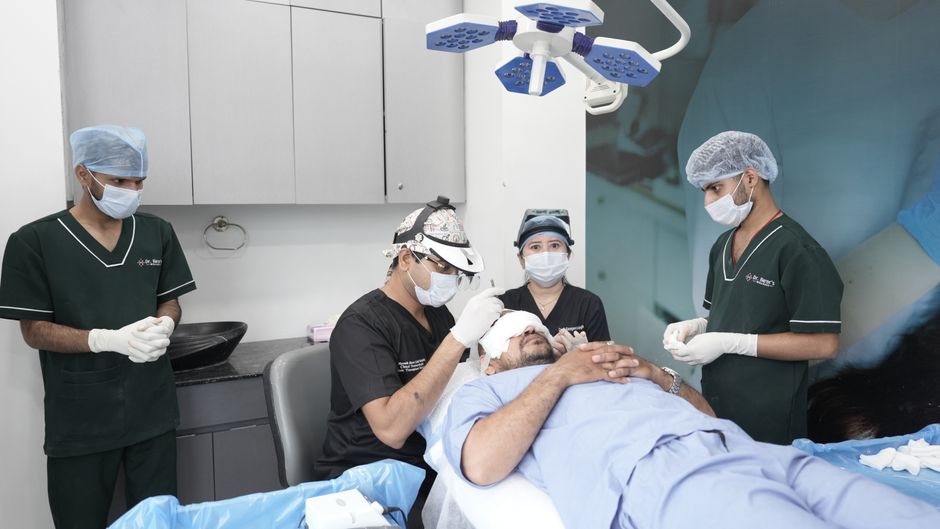
Plan for 7 to 10 days minimum. This isn’t arbitrary — it aligns with critical post-operative milestones that require physical presence at your clinic.
The first 48 hours demand ice management and drainage tube monitoring. Days 3 through 5 see peak swelling and bruising.
By day 5 to 7, your surgeon removes the external nasal splint and any non-dissolvable stitches. Rhinoplasty clinics in Korea typically schedule 3 to 4 follow-up visits within this window to prevent complications.
Dissolvable stitches remain in place longer (7–10 days), but they don’t require removal appointments. Still, your surgeon needs to verify they’re dissolving properly before you board a pressurized aircraft.
Why do some clinics recommend 5 days while others insist on 14?
It depends entirely on your procedure complexity and stitch type.
Closed rhinoplasty patients with dissolvable sutures might clear security by day 5. Open rhinoplasty with silicone implants or rib cartilage grafts? You’ll need 10 to 14 days. The risk of implant shifting during early recovery makes extended monitoring non-negotiable.
How do I plan my week-by-week recovery timeline in Gangnam?
Base yourself within 15 minutes of your clinic, ideally in Gangnam’s Sinsa or Apgujeong districts.
Gangnam houses the highest density of JCI-accredited facilities globally. This matters because you’ll visit your surgeon 3 to 4 times in week one. Traffic in Seoul is unpredictable — proximity prevents missed appointments.
Days 1–3: Rest in your accommodation. You’ll have packing in your nose and external splinting. Days 4–7: Splint removal and first photo documentation. Days 8–10: Final clearance and stitch check.
Many Gangnam hotels now offer “recovery floors” with enhanced air filtration and room service tailored to post-surgical diets (low-sodium, easy-to-chew).
Where should I stay in Gangnam during the first week?
Choose accommodations near Sinsa Station (Line 3) or Apgujeong Rodeo.
These areas sit within walking distance of major clinics. You’ll appreciate avoiding subway crowds when your nose is packed and your face is swollen. Some Seoul rhinoplasty clinics partner with nearby guesthouses offering discounted weekly rates for international patients.
What certifications should I look for in a Korean rhinoplasty clinic?
Verify JCI accreditation, MFDS registration, and HIRA quality ratings before booking your stay duration.
JCI (Joint Commission International) accredits hospital quality standards. Facilities like Samsung Medical Center and Severance Hospital maintain JCI accreditation, meaning they follow international protocols for post-operative monitoring. This often translates to more conservative travel-clearance timelines — they won’t rush you onto a plane.
MFDS (Ministry of Food and Drug Safety) regulates all medical devices used in your rhinoplasty, from silicone implants to dissolvable sutures. HIRA (Health Insurance Review and Assessment Service) tracks surgical outcomes and complication rates. Clinics with top HIRA scores typically release patients for travel only after rigorous internal benchmarks.
How does JCI accreditation affect my recovery timeline?
JCI-accredited hospitals usually require one additional follow-up visit compared to non-accredited clinics.
While this extends your stay by 24–48 hours, it significantly reduces revision rates.
When is it safe to fly home after rhinoplasty?
Wait 7 days minimum, though 10–14 days is optimal for long-haul flights.
Cabin pressure changes at 30,000 feet can trigger nasal bleeding within the first week. Your nasal passages are healing; the dry, pressurized air increases infection risk. Most surgeons approve travel only after splint removal and confirmation that the nasal mucosa has sealed.
Short flights (under 3 hours) to Japan or Taiwan might get clearance at day 7. Trans-Pacific flights to the US or Europe? Push for day 10–14. Blood clots form fragile scabs that altitude pressure can dislodge.
What happens if I leave Korea too early after my nose job?
You risk unmanaged complications that could permanently alter your results.
Post-rhinoplasty bleeding typically occurs between days 3 and 5. Infection signs appear around day 7. If you’re already home in Montana or Manchester, you’re relying on local doctors unfamiliar with your surgeon’s specific technique. Revision rhinoplasty costs 2.5 to 3 times the original procedure.
One specific risk: asymmetry correction. If your implant shifts during travel and you discover it on day 8, Korean surgeons can fix it immediately. Wait three weeks, and the tissue heals in the wrong position.
How does Korean rhinoplasty recovery compare to other procedures?
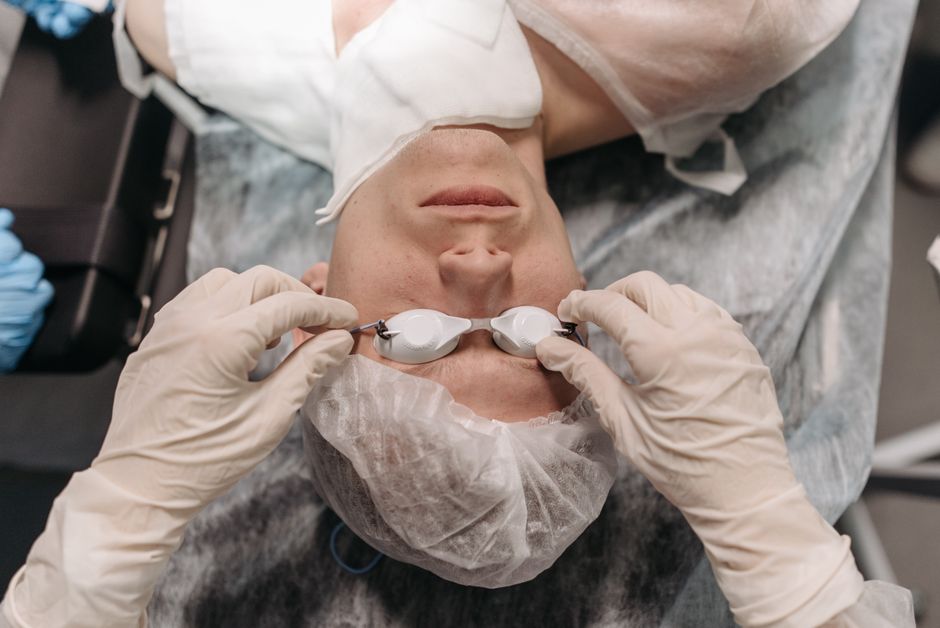
Rhinoplasty requires nearly double the stay of blepharoplasty or LASIK.
Planning a combo trip? Double eyelid surgery (blepharoplasty) needs only 3–5 days before flying. LASIK patients often travel 48 hours post-op. Dental implant surgery requires 7 days — similar to simple rhinoplasty.
If you’re combining rhinoplasty with facial contouring or jaw surgery, extend your stay to 14–21 days. The cumulative swelling affects airway management and pain control.
Many patients schedule rhinoplasty first, then blepharoplasty or skin treatments during the waiting period. Gangnam clinics often offer package discounts for combined procedures, but don’t let that rush your timeline.
Which country is best for a nose job?
South Korea leads for ethnic rhinoplasty and revision cases, specifically in Gangnam.
Korean surgeons perform 25% of Asia’s total rhinoplasty volume. Their expertise in Asian nasal anatomy — low bridge, thick skin, short columella — produces results that Western surgeons often struggle to replicate. Turkey and Iran compete on price, but Korea dominates in structural grafting techniques and implant safety records regulated by MFDS.
The downside? Korea’s popularity means longer wait times and stricter aftercare requirements. International hospitals in Korea prioritize thorough recovery over speed, which explains why they recommend 10-day stays while budget clinics elsewhere might clear you in 3 days.
What happens 10 years after rhinoplasty?
Results remain permanent barring trauma, though the aging process continues.
Cartilage grafts (ear, rib, septum) integrate permanently. Silicone implants show 1–5% migration rates over a decade, often requiring minor adjustment. MFDS-approved implants have better 10-year stability records than older generations.
Your nose will age with you — skin thickens, tip droops slightly. However, the structural changes from your Korean rhinoplasty hold. Annual check-ups with your original surgeon (or photo consultations) help monitor implant integrity.
When should I extend my stay beyond the standard timeline?
Book extra days if you experience fever, heavy bleeding, or breathing obstruction.
Normal recovery includes mild oozing and congestion. Danger signs: temperature above 38°C (100.4°F), bright red bleeding soaking through gauze, or inability to breathe through either nostril after day 3. These suggest infection or hematoma requiring immediate drainage.
Implant rejection signs appear around day 7–10: unusual redness, excessive warmth, or implant visibility through thinning skin. Your Gangnam clinic can address these immediately if you’re local. Flying with these symptoms risks septic shock.
Related Reading
Planning your surgical journey? Compare facilities and logistics with these guides:
- Rhinoplasty Clinics in Korea — What to check when choosing
- Hospitals in Korea for International Patients — What to check when choosing
- Rhinoplasty Clinics in Seoul — What to check when choosing
Last updated: May 01, 2026