
- Stick to indoor, climate-controlled spots like Starfield Library COEX or Gangnam’s themed cafes — no bending, no crowded subways
- Schedule gentle Han River walks (Yeouido) after day 3, keeping walks under 20 minutes flat terrain only
- Book accommodation within 5 minutes of your clinic in Gangnam — most rhinoplasty specialists cluster near Sinsa or Apgujeong stations
- Avoid saunas (jjimjilbang), spicy food tours, and dental implant appointments during your 7-10 day recovery window
You’re staring at the hotel ceiling in Gangnam. Your nose is packed with splints, your eyes are puffy, and you’ve already finished three Netflix series. Now what?
I’ve guided hundreds of medical tourism patients through rhinoplasty performed in Gangnam, and here’s the truth: the hardest part isn’t the surgery — it’s the boredom during days 2-7 when you’re medically cleared for light activity but too swollen for tourist crowds.
Unlike LASIK or SMILE patients who resume normal life in 24 hours, rhinoplasty recovery in Seoul requires a specific rhythm of rest punctuated by gentle, low-exertion sightseeing.
As of 2026, South Korea hosts over 400,000 medical tourism patients annually, with rhinoplasty ranking as the top procedure.
You didn’t fly 14 hours just to watch Korean dramas in a hotel room. Let’s map out exactly what you can (and should) do during those critical 7-10 days before your splint comes off.
| Post-Op Day | Activity Level | Seoul-Specific Options | Avoid |
|---|---|---|---|
| Days 1-2 | Bed rest only | Room service, hotel spa (facials only) | Walking tours, subway |
| Days 3-5 | 15-min walks | Garosu-gil cafe hopping | Bukchon Hanok hills |
| Days 6-7 | Light shopping | COEX Mall (flat, indoor) | Myeongdong crowds |
| Days 8-10 | Pre-flight | MMCA Seoul (slow browsing) | Jjimjilbang saunas |
How long does a nose job take to heal in Korea?
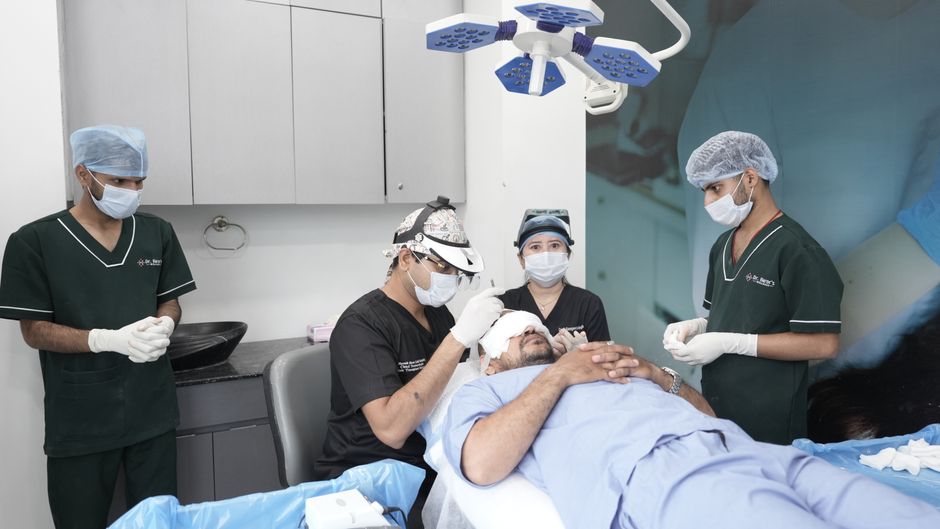
You’ll need 7-10 days before the external splint comes off and you can fly home safely.
Most rhinoplasty patients in Seoul follow a predictable swelling curve: days 1-3 bring peak puffiness, days 4-7 show bruising turning yellow-green, and by day 10 you’ll look presentable enough for airport security without raising eyebrows.
What happens during the first week of rhinoplasty recovery?
The first 24 hours are surprisingly comfortable thanks to anesthesia residuals. Day 2 and 3? That’s when the reality hits. Your face feels tight, breathing through your mouth dries your throat, and the psychological “what have I done” moment peaks. This is exactly when you need gentle distraction — not isolation.
Clinics typically schedule checkups on day 2 (swelling assessment), day 5 (cleaning), and day 7 or 10 (splint removal). Rhinoplasty Clinics in Seoul usually include these follow-ups in their medical tourism packages, so confirm your appointment schedule before booking any activities.
When can I resume normal sightseeing after rhinoplasty?
Light walking becomes permissible 24-48 hours post-op according to recovery protocols, but “normal” tourism waits until week 3. For your Seoul stay, think “senior citizen pace” — flat surfaces, elevators, and frequent sitting breaks.
What are the best low-exertion activities in Seoul during rhinoplasty recovery?
The best activities require zero bending, minimal walking, and climate control. Seoul excels at exactly these things — if you know where to look. Skip the palace stairs and Insadong alleys. Instead, prioritize indoor environments within 10 minutes of your Gangnam hotel.
Where can I walk gently without crowds in Seoul?
Yeouido Hangang Park offers the flattest riverside paths with benches every 50 meters. Go at 6 AM when Korean ajummas are power-walking but crowds haven’t arrived. The asphalt is even, the views distract from your nasal discomfort, and you can retreat to the IFC Mall basement food court when tired.
Another option: Starfield Library inside COEX Mall. It’s Instagram-famous for good reason — towering bookshelves, ample seating, and it’s directly connected to Samseong Station via underground walkways (no outdoor heat or stairs). You can spend 2 hours here without exertion.
Are museums safe during rhinoplasty recovery?
Yes, if you choose wisely. The National Museum of Modern and Contemporary Art (MMCA Seoul) in Samcheong-dong has elevators and wide open galleries, but the surrounding Bukchon Hanok Village requires steep hill climbing — avoid until week 2.
Instead, try the Leeum Museum in Hannam-dong. It’s 10 minutes from Gangnam by taxi, entirely climate-controlled, and the collection demands slow, contemplative viewing that matches your energy levels perfectly.
Where should I stay in Gangnam during rhinoplasty recovery?
You should stay within a 5-minute taxi ride or 10-minute walk of your specific clinic, not just “anywhere in Gangnam.” This district is larger than it appears — Sinsa, Apgujeong, and Nonhyeon are all “Gangnam” but 20 minutes apart in traffic.
Medical tourism patients often choose serviced apartments like Oakwood Premier Coex Center or L7 Hotels in Nonhyeon. Both offer:
- Elevator access to convenience stores (no stair climbing for snacks)
- In-room ice machines (important for the “ice as much as possible” protocol)
- Housekeeping that won’t bump your bed or pillows
How close should I stay to Samsung Medical Center during recovery?
If your surgeon operates at Samsung Medical Center — which JCI accredits as one of Asia’s hospitals — aim for accommodations in Irwon-dong or Gangnam Station areas.
The hospital’s international clinic coordinates rhinoplasty aftercare specifically for medical tourism patients, but traffic around Samsung is brutal. A 2km distance can take 25 minutes by car during rush hour.
How long to stay in Korea after plastic surgery?
You must stay 7-10 days minimum for rhinoplasty, longer if combining procedures. This isn’t arbitrary — the splints and dressings must stay in place for 7 days minimum, and your surgeon needs to remove them personally before you fly.
Cabin pressure changes at altitude can cause bleeding if nasal packing is removed prematurely.
If you’re adding blepharoplasty — which corrects ptosis and creates double eyelid surgery results — the timeline extends to 10-14 days. Blepharoplasty swelling peaks later than rhinoplasty swelling (day 3-4), so while you might feel ready to fly at day 7, your eyes will tell a different story.
Most Asian Rhinoplasty Clinics in Seoul recommend scheduling blepharoplasty first, then rhinoplasty 3 days later to synchronize swelling resolution.
What is the hardest day after rhinoplasty?
Day 2 or 3 post-surgery is psychologically and physically the toughest. The anesthesia has fully worn off, swelling reaches its peak, and you can’t breathe through your nose yet. Many patients report feeling claustrophobic from the nasal packing.
This is when Seoul’s unique recovery culture saves you. Unlike Western recovery where you’re isolated, Korean clinics offer “aftercare rooms” where nurses check vitals every 4 hours, and many patients spend day 2-3 in these supervised environments rather than hotels.
If you must be in your hotel, arrange for a Korean-speaking companion — not for medical translation, but to order soft foods like juk (rice porridge) when you can’t speak clearly.
Is South Korea good for rhinoplasty?
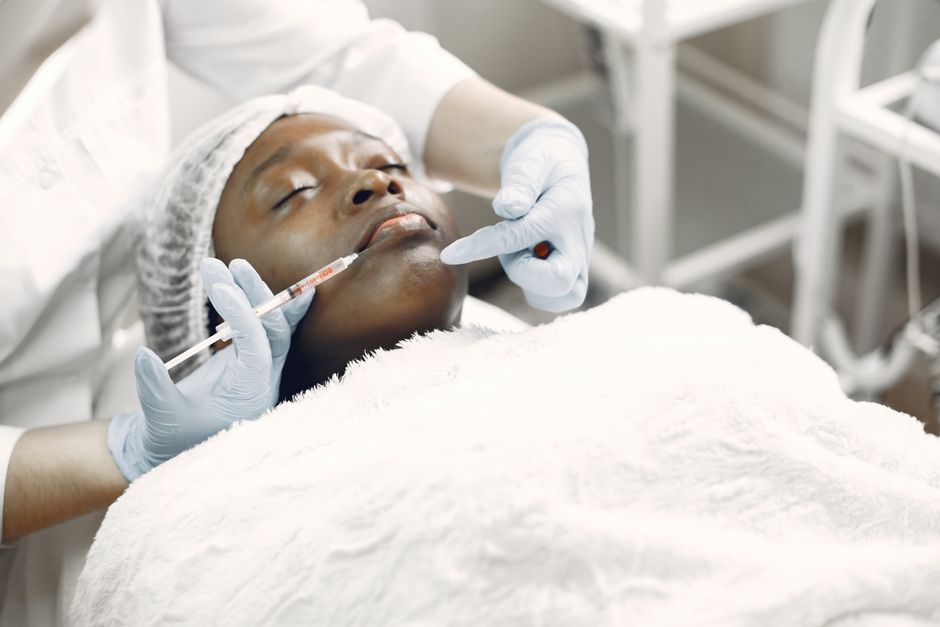
South Korea handles over 1 million cosmetic procedures annually with specialty techniques unrivaled elsewhere. Korean surgeons perform 5x more rhinoplasties per capita than American surgeons, leading to refined methods for Asian nasal structures — specifically bridge augmentation and tip plasty using autologous cartilage.
The medical tourism infrastructure supports this expertise. JCI accreditation is standard at major hospitals like Samsung Medical Center, where international coordinators speak English, Chinese, and Russian. Cost-wise, primary rhinoplasty in Seoul runs 30-50% less than Los Angeles or New York, including the 7-day hotel stay.
Why do patients combine procedures in Seoul?
Because you’re already taking the downtime. Botox popular treatment in Gangnam can be done day 10 (after splint removal). Dental implant work should wait until month 2 — the vibration from dental drills can affect septal healing.
Health screening available at Samsung Medical Center makes sense to bundle on day 8 or 9 when you’re cleared for light activity but waiting for your flight.
Can I combine blepharoplasty with my rhinoplasty recovery in Seoul?
Yes, and 60% of medical tourism patients do exactly this. Blepharoplasty, particularly double eyelid surgery with ptosis correction, shares similar recovery restrictions: no bending, no heavy lifting, ice protocols. The procedures complement each other because blepharoplasty focuses attention on the eyes while your nose heals beneath the splint.
However, timing matters. Schedule blepharoplasty 2-3 days before rhinoplasty, or simultaneously.
If you do blepharoplasty after rhinoplasty (day 5 for example), you’ll reset your “day 0” and extend your Korea stay unnecessarily. Revision Rhinoplasty Clinics in Seoul often specialize in these combination cases, as secondary nose work requires the same meticulous downtime as primary surgery.
When should I contact my clinic during recovery?
Contact your clinic immediately if you experience bleeding that doesn’t stop after 20 minutes of head elevation, fever above 38°C (100.4°F), or severe throbbing pain unrelieved by medication. These aren’t “tough it out” moments — they’re signals of hematoma or infection requiring immediate intervention.
Normal symptoms include: yellow-green bruising spreading to cheeks (days 3-5), numbness at the nasal tip, and emotional swings from anesthesia withdrawal. Abnormal: bright red bleeding after day 3, pus-like discharge, or sudden severe asymmetry.
Frequently asked questions about Seoul rhinoplasty recovery
Can I eat spicy Korean food during rhinoplasty recovery?
Avoid spicy, salty, and hot-temperature foods for 2 weeks. Kimchi and tteokbokki increase blood flow to facial vessels, potentially worsening swelling or triggering nosebleeds. Stick to mild juk (porridge), kalguksu (noodle soup cooled to room temperature), and steamed eggs available at any convenience store.
Is it safe to use Seoul’s public transport after rhinoplasty?
Avoid subways and buses for 7 days. The jostling carries infection risk, and sudden stops can cause you to grab rails (raising blood pressure to the face). Taxis are essential, not optional, during this window. Budget $20-30 daily for transport — it’s cheaper than revision surgery.
Can I get LASIK or SMILE during the same trip as rhinoplasty?
Wait 3 weeks between procedures. While LASIK and SMILE seem unrelated, both require steroid eye drops that can affect systemic healing, and the stress of multiple surgeries taxes your immune system. Do your eyes in trip one, your nose in trip two.
When can I swim or use saunas after rhinoplasty?
Never during your Seoul stay. Jjimjilbangs (Korean saunas) are cultural highlights, but submerging your nose or exposing it to steam risks infection and splint displacement. Wait 4 weeks minimum before any pool, ocean, or sauna exposure.
Can I get dental work done while recovering from rhinoplasty?
Absolutely not. Dental implant procedures and even routine cleanings require reclining (bending your head below heart level) and generate oral bacteria that can travel to healing nasal tissues. Schedule dental work 2 months after rhinoplasty, or do it first if time permits.
Related Reading
- Rhinoplasty Clinics in Seoul — What to check when choosing
- Asian Rhinoplasty Clinics in Seoul — What to check when choosing
- Rhinoplasty Revision Clinics in Seoul — What to check when choosing
Last updated: May 01, 2026