
- Primary rhinoplasty: Korea averages $3,000–$5,500 vs. $7,500–$15,000+ in the US — roughly 50–70% savings
- Revision (“secondary”) rhinoplasty: Korea $5,000–$8,000 vs. $12,000–$25,000+ in the US
- All-inclusive packages: Most Seoul clinics bundle surgeon fees, anesthesia, facility costs, and 1-year post-op care; US pricing typically itemizes these separately
- Break-even point: Including flights and 10-day Seoul accommodation, you’ll save money if your US quote exceeds $8,500
You just got quoted $14,000 for a nose job. Your friend’s cousin paid $4,200 in Seoul for results you actually prefer.
That gap isn’t a red flag. It’s the reality of a hyper-competitive market where 1,500+ clinics operate within a 10-mile radius, and the government actively subsidizes medical tourism infrastructure.
The sticker shock works both ways — Americans can’t believe Korean prices are real, while Koreans can’t believe Americans pay apartment-downpayment money for the same titanium implants.
Let’s break down where that $10,000 difference actually comes from, and when it makes sense to book that flight.
| Cost Factor | United States (2026) | South Korea (2026) |
|---|---|---|
| Surgeon Fee (Primary) | $4,000 – $8,000 | $2,000 – $4,000 |
| Anesthesia | $800 – $1,500 | Included in package |
| Facility/Hospital Fee | $1,500 – $3,500 | Included in package |
| Post-Op Care (1 year) | $150 – $300 per visit | Free follow-ups included |
| Implant Materials (Silicone) | $300 – $800 | $100 – $300 |
Why Is the Same Procedure 60% Cheaper in Seoul?
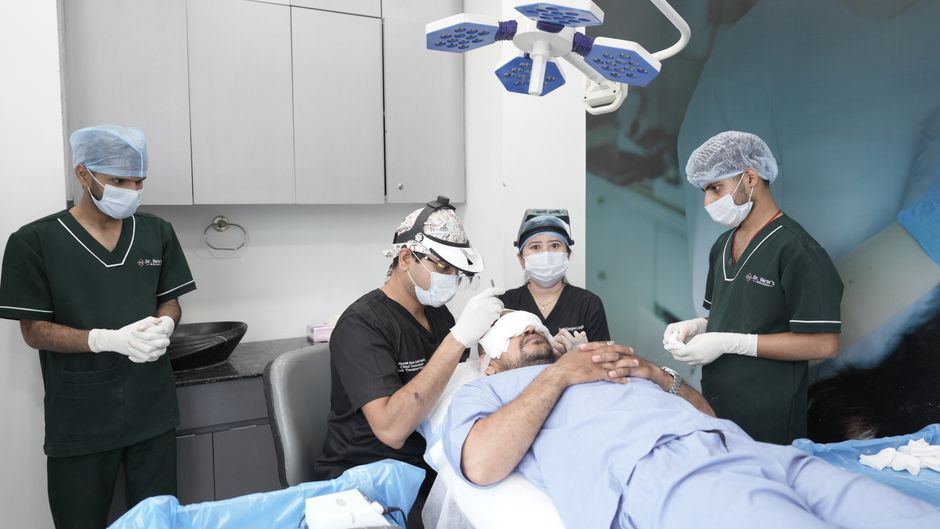
It’s not about cutting corners. It’s pure market economics.
Seoul’s Gangnam district alone houses more plastic surgery clinics than the entire state of California. That density creates brutal price competition. When 40 clinics exist on the same street, you can’t charge Manhattan prices and stay busy.
Plus, Korea’s national health insurance keeps baseline medical overhead low. Anesthesiologists, nurses, and facility rent cost significantly less than in metros like New York or Los Angeles.
Does lower price mean lower quality?
Absolutely not. Korean surgeons perform 15–20 rhinoplasties weekly; American surgeons average 3–5. Higher volume means lower per-procedure overhead and sharper technical skills.
South Korea also mandates stricter device regulations than the FDA for many implant materials., including dental implant, You’re often getting better-grade silicone or porous polyethylene (PPE) for a fraction of US costs.
What’s Actually Included in Your Quote?
Here’s where Americans get blindsided.
US clinics typically quote “surgeon fees” only. They add anesthesia ($1,200), facility fees ($2,500), and post-op splints ($200) later. That $8,000 quote becomes $12,400 fast.
Korean clinics use all-inclusive packages. When they say $4,500, they mean anesthesia, the operating room, implants, medications, and your first five post-op checkups. No surprises.
What about revision surgery costs?
Revision rhinoplasty costs 40% more than primary work everywhere. But the gap widens in the US due to scar tissue complexity and malpractice insurance hikes.
In Seoul, revisions run $5,000–$8,000. In Beverly Hills or Miami? You’re looking at $18,000–$30,000 if you need rib cartilage harvesting.
The Hidden Math: When Does Flying to Korea Actually Save Money?
You’ll spend $1,200–$1,800 on flights and $800–$1,500 on a 10–12 day Seoul stay (clinics recommend staying 7–10 days post-op).
Do the math. If your US quote is $14,000 and Korea costs $4,500 plus $3,000 travel, you’ve saved $6,500. That’s a free vacation and a new nose.
But if you only need minor tip refinement quoted at $6,000 in the US, the economics get tight. The break-even sits around $8,500–$9,000 in US costs.
Can I combine procedures to maximize the trip?
Yes. That’s exactly what smart medical tourists do.
Add blepharoplasty (eyelid surgery) for $1,500–$2,500 or chin augmentation for $2,000–$3,000. You’re already paying for the flight and recovery time. Korean clinics often discount secondary procedures by 20% when bundled with rhinoplasty.
Surgeon Fee Breakdown: Where Does the Money Go?
In the US, 50–60% of your bill covers malpractice insurance and facility overhead. The surgeon might pocket $3,000 of that $12,000 charge.
In Korea, surgeons typically take home 40–50% of the package price. Lower insurance costs and efficient clinic operations mean more of your money pays for actual surgical skill rather than administrative bloat.
Why do some Korean clinics charge US-level prices?
Celebrity surgeons (the ones who operate on K-pop idols) command premium rates — $10,000–$15,000 for rhinoplasty.
You’re paying for exclusivity and brand name, not necessarily better outcomes., including double eyelid surgery, Many mid-tier clinics in Apgujeong or Sinsa offer identical techniques using the same implants for half that price.
Quality Control: Is It Safe to Shop by Price?
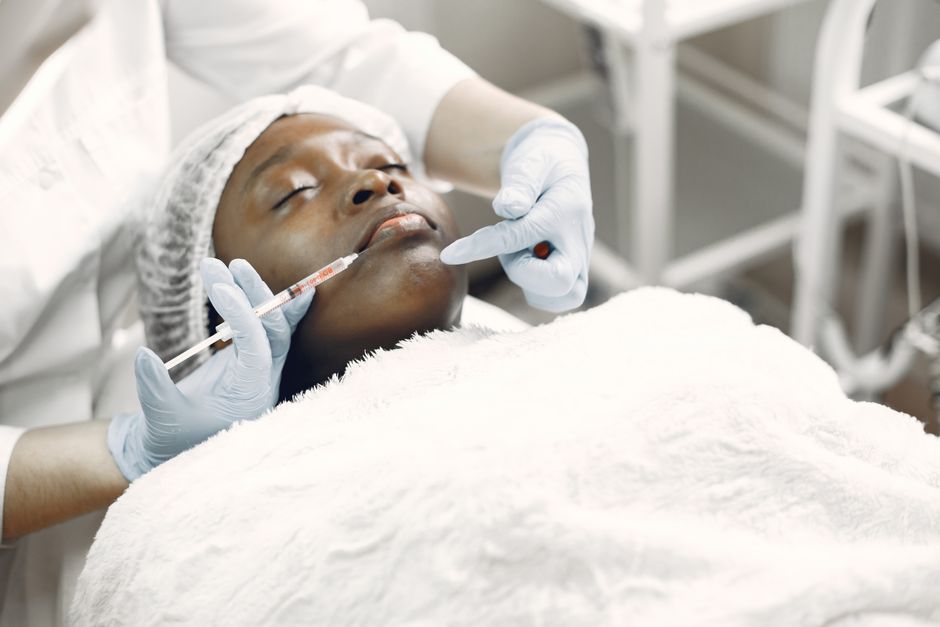
Here’s the uncomfortable truth.
The cheapest Korean clinics (under $2,500 for primary rhinoplasty) often use “ghost doctors” — unsupervised residents performing the surgery. The most expensive aren’t always worth it either.
Your sweet spot sits between $3,500–$6,000. That range typically indicates a clinic with full-time anesthesiologists, in-house nursing staff, and surgeons who specialize exclusively in facial procedures.
When Should You Stay in the US Instead?
Medical tourism isn’t for everyone.
If you have complex breathing issues (septal perforation, valve collapse), you might need multiple follow-ups over six months. Flying back to Seoul for adjustments isn’t practical.
Ethnic rhinoplasty requiring significant augmentation (rib cartilage) also poses risks. Revision rates run higher for non-Asian patients in Korean clinics because their aesthetic training centers on Asian nasal anatomy.
Expert Perspective
Frequently Asked Questions
Why is rhinoplasty cheaper in Korea than the US?
Market saturation drives prices down. With 1,500+ clinics competing in Seoul alone, prices reflect volume efficiency rather than quality cuts. Lower malpractice insurance and facility costs allow surgeons to charge less while earning comparable salaries.
Do Korean rhinoplasty prices include anesthesia?
Yes. Reputable clinics bundle board-certified anesthesiologist fees into your quote. Always confirm whether your anesthesiologist is dedicated full-time to the clinic (preferred) or contracted per procedure.
How much should I budget total for a Korea rhinoplasty trip?
Plan $6,500–$8,500 all-in. That covers surgery ($3,500–$5,500), flights ($1,200–$1,800), and 12 nights accommodation ($900–$1,400). Add $500 for meals and local transport. Compare that to a single $15,000 US procedure.
Is the technology and implant quality the same?
Often better. Korea approves medical devices faster than the FDA and uses higher-grade silicone implants (Silastic, Gore-Tex) at lower markup. Many US surgeons actually import Korean-manufactured implants at 300% markup.
Can I finance Korean rhinoplasty like I can in the US?
Most Seoul clinics require cash payment (credit card or wire transfer) before surgery. Medical tourism financing exists through specialized lenders like MyMedLeisure, but interest rates run higher than US CareCredit options. Save up front for best rates.
Related Reading
- Rhinoplasty Clinics in Korea — What to check when choosing
- Rhinoplasty Clinics in Seoul — What to check when choosing
- Skin Clinics in Korea — What to check when choosing
Last updated: April 14, 2026