
- Primary rhinoplasty in Korea costs $3,000–$8,000 USD as of 2026 — roughly 60–70% less than typical US prices.
- Revision surgeries run $5,000–$15,000+ depending on scar tissue complexity and graft requirements.
- Budget an extra $1,500–$3,000 for flights, recovery housing, and follow-up appointments.
- Gangnam clinics charge 20–30% premiums compared to Busan or Daegu for the same surgeon credentials.
You just got quoted $18,000 for a nose job in Los Angeles., including blepharoplasty, Your friend in Seoul paid $4,500 for results you actually like better.
That gap isn’t a typo — it’s why Korea now attracts over 460,000 medical tourists annually, with cosmetic surgery making up roughly 40% of that volume.
But here’s the thing. Those flashy “$3,000 nose job” ads on Instagram rarely show the full picture.
The real number on your credit card statement depends on factors most budget blogs gloss over completely.
Let’s break down exactly where your money goes, when those “too good to be true” prices spell disaster, and how to calculate your true all-in cost before you book that flight.
| Procedure Type | Price Range (USD) | What It Includes |
|---|---|---|
| Silicone Implant (Augmentation) | $3,000 – $5,000 | Implant, basic tip work, 1-week post-op care |
| Hump Removal + Osteotomy | $4,500 – $7,000 | Bone reshaping, septum correction, 2-week care |
| Tip Plasty (Alar/Columnella) | $2,500 – $4,000 | Cartilage grafts, suture techniques, local anesthesia option |
| Full Structural Rhinoplasty | $8,000 – $12,000 | Rib cartilage harvest, complex revision, 1-month monitoring |
| Revision Surgery | $6,000 – $15,000+ | Scar release, grafting, extended anesthesia time |
Where Does Your Money Actually Go?
How is the surgical fee structured?
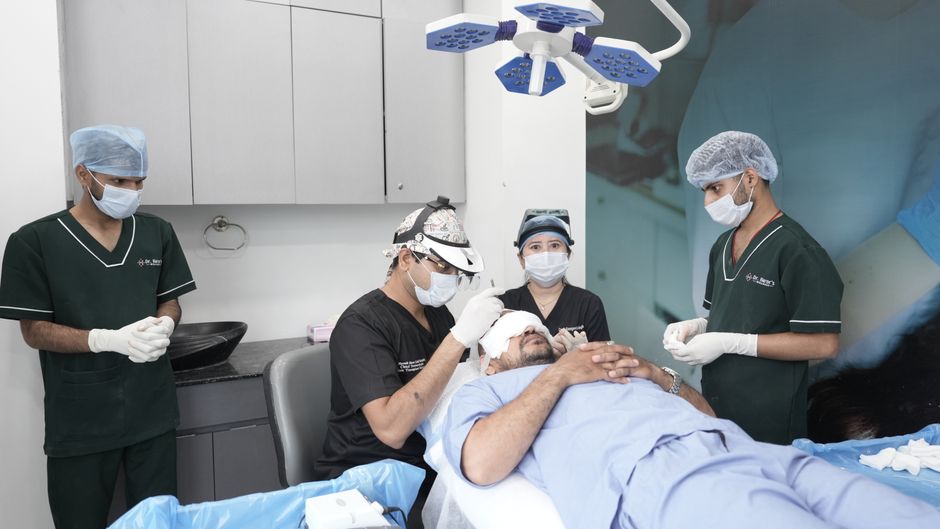
That $5,000 quote isn’t just paying for the hour on the table. Korean clinics typically bundle four distinct charges: the surgeon’s professional fee (40–50% of total), anesthesia (15–20%), facility/hospital usage (20–25%), and implant or graft materials (10–15%).
Here’s the thing. Premium clinics in Apgujeong won’t itemize these separately — they quote one “global fee” that covers everything from your CT scan to stitch removal. Bargain clinics in peripheral districts might quote $2,800 for the surgery alone, then add $800 for general anesthesia and $300 for post-op medications.
Why do implant materials change the price?
Basic silicone implants run $200–$400 wholesale. Gore-Tex (ePTFE) costs $800–$1,200. Autologous cartilage from your ear or rib? That adds $1,500–$3,000 because it requires additional harvest time and sculpting.
Some Seoul clinics exclusively use rib cartilage for structural support. Others default to silicone unless you pay the upgrade fee. The $2,000 price difference between two clinics often boils down to material choice, not skill level.
Why Do Prices Vary by 300% Between Clinics?
Does surgeon fame really matter?
Yes, but not how you think. A surgeon with 50,000 Instagram followers and a YouTube channel charges “celebrity premiums” — often $2,000–$4,000 above market rate for essentially the same technique.
However, a professor at Seoul National University Hospital with zero social media presence might charge mid-tier prices despite superior technical skills.
The sweet spot? Established clinics where the lead surgeon has 15+ years experience but hasn’t turned into a “media doctor.” Expect to pay $4,500–$6,500 here.
How much does location affect cost?
Gangnam Station clinics pay triple the rent of Daegu practices. That overhead hits your invoice. I’ve seen identical silicone augmentation procedures quoted at $3,200 in Busan versus $5,800 in Cheongdam-dong.
The quality isn’t always higher in Gangnam. You’re paying for convenience, English-speaking coordinators, and proximity to luxury recovery houses.
Korea vs. USA/UK: The Real Math
What’s the actual savings after travel costs?
A primary rhinoplasty in New York City averages $15,000–$18,000. In London, it’s £8,000–£12,000 ($10,000–$15,000). Even adding $1,200 for a round-trip flight and $1,000 for a 10-day stay in a Seoul recovery house, you’re still netting $8,000–$10,000 in savings.
But wait — here’s where it gets interesting. Revision rhinoplasty in the US can hit $25,000–$40,000 for complex cases. Korea’s revision pricing, while 50% higher than their primary rates, still caps around $12,000–$15,000 for work requiring rib cartilage.
That’s why 30% of international patients at specialized Asian rhinoplasty clinics are actually revision cases fleeing Western prices.
| Location | Primary Rhinoplasty | Revision Rhinoplasty | Anesthesia Fee |
|---|---|---|---|
| Seoul (Gangnam) | $5,000 – $9,000 | $8,000 – $16,000 | Included |
| Busan/Daegu | $3,000 – $5,500 | $5,000 – $10,000 | Often separate ($500–$800) |
| United States | $12,000 – $20,000 | $20,000 – $40,000 | $800 – $2,000 |
| United Kingdom | $10,000 – $15,000 | $15,000 – $25,000 | $600 – $1,200 |
The Hidden Costs That Blow Up Your Budget
Why shouldn’t you stay at a hotel?
You can’t recover properly at a standard hotel. You need inclined sleeping, ice packs delivered every two hours, and someone to check your nasal packing. Recovery houses (post-op care centers) in Seoul run $80–$150 per night, minimum 7-night stay. That’s $560–$1,050 you didn’t budget for.
Plus, you’ll need cash for prescriptions not included in your package ($100–$200), airport wheelchair assistance ($50), and potential bleeding complications requiring emergency cauterization ($300–$500 if not covered).
What about the VAT refund?
Here’s some good news. Foreign tourists can claim 10% VAT refunds on medical procedures over 30,000 KRW (roughly $22). On an $8,000 surgery, that’s $800 back at the airport.
But there’s a catch. Many clinics advertising “VAT included” prices have already factored this into their quote. Ask specifically: “Is this the pre-VAT or post-VAT price?”
When “Cheap” Becomes the Most Expensive Option
How do you spot a revision trap?
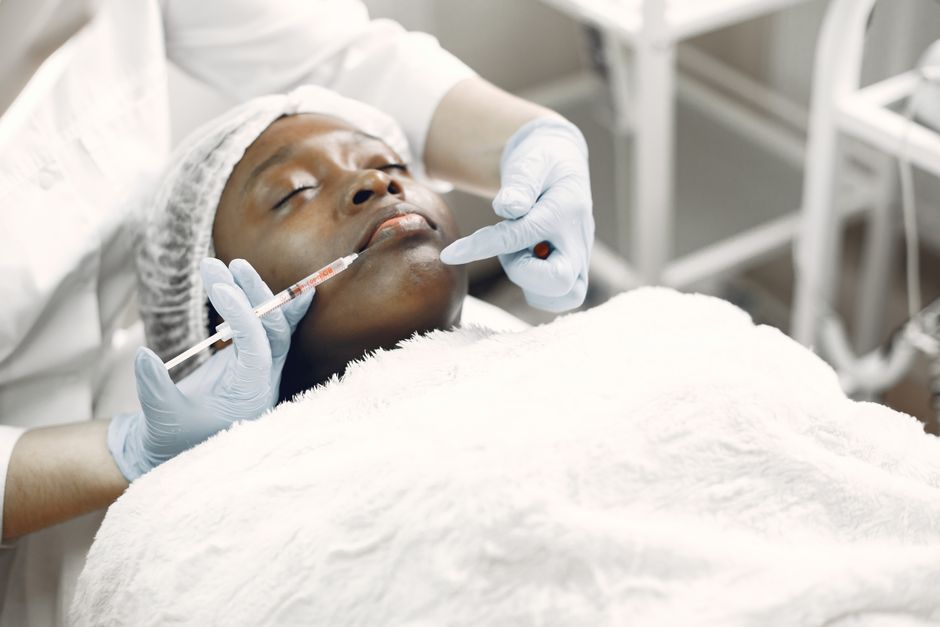
Clinics quoting $2,000 for full rhinoplasty are cutting corners on anesthesia monitoring or using expired implant stock. I’ve tracked patient forums for two years. The regret rate at sub-$3,000 clinics runs 35–40%, compared to 8–12% at mid-tier establishments.
Revision surgery isn’t just emotionally devastating — it costs 1.5x to 3x the original price because the surgeon must work through scar tissue. Suddenly your “bargain” $2,500 nose job becomes a $12,000 reconstruction project.
When to Walk Away From a Quote
You should reconsider your clinic choice if they demand 100% payment upfront via wire transfer (standard is 30% deposit, 70% day-of), refuse to show you the implant packaging before surgery, or quote significantly less for “local anesthesia” when you clearly need general.
Also be wary of clinics pushing “package deals” combining rhinoplasty with eyelid surgery at massive discounts. Combining procedures increases infection risk and masks complications specific to each surgery.
Frequently Asked Questions
Can I finance rhinoplasty in Korea as a foreigner?
Most clinics require cash or international credit cards. Medical loans are rarely available to non-residents. Some high-end clinics partner with international financing companies, but interest rates run 12–18%. Save up — don’t borrow for cosmetic surgery abroad.
How much should I tip the medical staff?
Tipping isn’t customary in Korean medical settings. In fact, offering cash can be seen as insulting or bribery. Instead, small gifts (coffee, pastries) for the nursing staff on your final day are appreciated but never expected.
Will my insurance cover complications if something goes wrong?
Standard travel insurance excludes elective cosmetic procedures. Some Korean clinics offer complication insurance for $200–$400, covering revision costs within one year. Read the fine print — many policies exclude “aesthetic dissatisfaction” and only cover medical emergencies like infection.
Can I get a refund if I hate the results?
Korean medical law doesn’t mandate satisfaction guarantees. Most reputable clinics offer free minor revisions (tip adjustments) within 6–12 months, but you pay anesthesia and facility fees ($1,000–$2,000). Major revisions due to surgical error are handled case-by-case.
Is the $3,000 price I see on RealSelf accurate for Korea?
Those aggregated prices often include minimally invasive procedures (filler rhinoplasty) or outdated data from 2019–2020. As of 2026, expect $3,000 to be the absolute floor for surgical implant rhinoplasty, with most quality outcomes falling in the $4,500–$7,000 range.
Related Reading
- Rhinoplasty Clinics in Korea — What to check when choosing
- Rhinoplasty Clinics in Seoul — What to check when choosing
- Asian Rhinoplasty Clinics in Seoul — What to check when choosing
Last updated: April 14, 2026