
- Yes, generally safe — Korea’s JCI-accredited hospitals and MFDS regulations meet or exceed Western standards for rhinoplasty safety.
- Success rates hover at 90-95% for primary procedures, but revision rates are 15-20% due to aesthetic preferences, not safety failures.
- The “ghost surgery” risk is real — always verify your surgeon through HIRA’s public database and demand video verification.
You’ve spent three hours scrolling through flawless Instagram transformations from Gangnam clinics. The noses look sculpted by angels. But then you pause. You’re about to let someone break your nasal bones 6,000 miles from home. What if something goes wrong?
That fear is valid. As of 2026, South Korea attracts over 500,000 medical tourists annually, with rhinoplasty ranking as the #1 requested procedure among international patients.
Yet the gap between filtered social media results and surgical reality creates genuine anxiety. Here’s what the data actually says about keeping your face safe.
| Safety Metric | Korea (2026) | United States |
|---|---|---|
| Major Complication Rate | 1.2 – 2.0% | 1.5 – 3.0% |
| JCI-Accredited Facilities | 40+ hospitals | 1,000+ hospitals |
| Average Cost (Primary) | $2,500 – $5,000 | $8,000 – $15,000 |
| Revision Rate | 15 – 20% | 10 – 15% |
Is rhinoplasty in Korea safer than in Western countries?
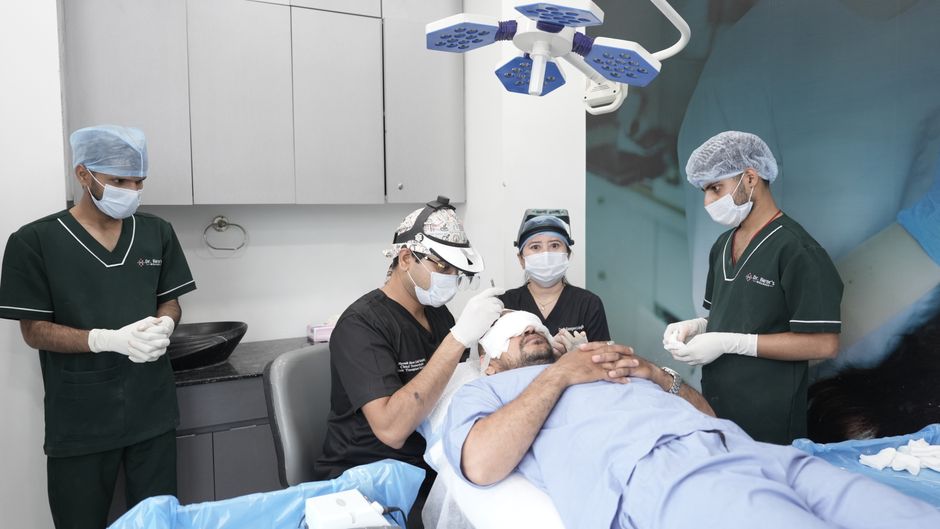
Yes, when performed at JCI-accredited facilities, rhinoplasty in Korea meets or exceeds Western safety standards. South Korea’s healthcare system ranks #1 in the OECD for healthcare access and quality as of 2026.
JCI accredits hospital quality through rigorous 1,200+ point inspections. JCI accredits Samsung Medical Center, Severance Hospital, and dozens of specialized plastic surgery hospitals in Seoul. These facilities maintain the same sterile protocols as Johns Hopkins or the Mayo Clinic.
The difference? Volume. Korean surgeons typically see a high volume of rhinoplasty cases. High case volumes mean surgeons see complex revision cases regularly, which builds experience.
What safety regulations govern rhinoplasty performed in Gangnam?
Rhinoplasty performed in Gangnam falls under strict oversight by MFDS and HIRA, with mandatory real-name surgical tracking systems implemented in 2024. MFDS regulates medical procedures including rhinoplasty, Botox, and dental implant surgeries.
The MFDS regulates implant materials, medical devices and the drugs used in anaesthesia, and every clinic must be licensed with its local health authority.
But here’s the catch. The Korean government distinguishes between “hospitals” (large facilities with overnight stay capabilities) and “clinics” (outpatient-only). Both can perform rhinoplasty, but only hospitals must maintain full emergency resuscitation teams.
What is the 52 hour rule in Korea?
The “52-hour rule” requires medical staff to work no more than 52 hours per week, implemented to reduce fatigue-related surgical errors. This affects how clinics schedule rhinoplasty and blepharoplasty procedures.
While this protects you from exhausted surgeons, it means doctors book 3-6 months in advance. Desperate clinics sometimes use “shadow doctors” to circumvent these limits. If a clinic offers you next-day surgery with a celebrity surgeon, that’s a red flag.
What is the success rate of rhinoplasty in Korea?
The success rate of rhinoplasty in Korea ranges between 90-95% for primary procedures, though patient satisfaction rates vary more widely at 75-85%.
“Success” means no medical complications. “Satisfaction” means you like the aesthetic result. The disconnect explains Korea’s medical tourism boom in revision rhinoplasty. Many patients combine their trip with double eyelid surgery or LASIK while recovering.
Korean techniques emphasize subtle, natural-looking bridges rather than the dramatic scoop common in Western rhinoplasty. This conservative approach actually improves long-term structural safety.
Should I go to Turkey or Korea for rhinoplasty instead of the US?
Choose Korea for complex structural work or Asian nasal anatomy; choose Turkey for dramatic Western-style reduction; stay in the US if you anticipate needing immediate revision surgery.
Turkey offers lower prices ($2,000-$3,500) but higher revision rates (25-30%). Korea costs more than Turkey but less than the US, with superior aftercare protocols. The flight to Seoul is 14+ hours from New York versus 10 to Istanbul — a factor if complications arise post-op.
What are the real risks and complication rates?
Major complications occur in less than 2% of rhinoplasty cases in Korea, but minor issues like asymmetry, prolonged swelling, or implant shifting affect 10-15% of patients.
Infection rates stand at 1.2% — slightly lower than the global average of 1.8%. Anesthesia complications are rare (0.3%) when performed by certified anesthesiologists rather than nurses.
The real danger isn’t the surgery. It’s the consultation. Language barriers lead to mismatched expectations. That “Barbie nose” you requested might translate differently through a Korean-English interpreter.
How can I verify my surgeon is legitimate and avoid ghost surgery?
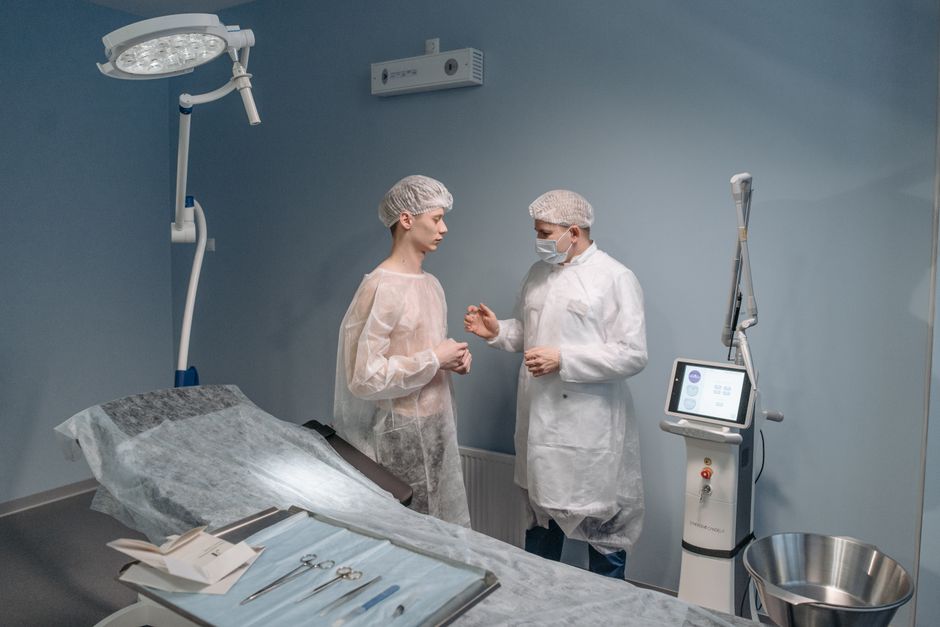
You can verify surgeon credentials through HIRA’s public database and demand continuous intraoperative video monitoring to prevent ghost surgery.
Step 1: Check the Korean Society of Plastic Surgeons membership. Real members have ID numbers you can verify online.
Step 2: Request the “CCTV consent form.” Korean law now requires clinics to offer surgical recording. If they refuse, walk away.
Step 3: Verify your anesthesiologist separately. They’re the person keeping you alive while the surgeon focuses on aesthetics.
Most reputable clinics performing rhinoplasty in Seoul now offer LiveCam services where family members can watch the surgery remotely. These Seoul clinics typically have the highest transparency ratings.
When is it safe to fly home after rhinoplasty in Korea?
Wait minimum 7-10 days before flying, though 14 days is optimal to prevent blood clots and allow suture removal.
Air pressure changes at 30,000 feet can worsen swelling or cause bleeding in fresh surgical sites. Most clinics require a “fit to fly” certificate issued after your final check-up.
Expert Perspective: What do Korean surgeons say about safety?
Is it safe to get a nose job in Korea? Frequently Asked Questions
Is it safe to get a nose job in Korea?
Yes, statistically safer than many Western countries when you choose JCI-accredited facilities. The complication rate is 1.2-2.0%, compared to 1.5-3.0% in the US. However, “safe” doesn’t mean “risk-free.” Verify your surgeon individually through HIRA.
What is the 52 hour rule in Korea?
It’s a labor law limiting medical staff to 52 working hours weekly to prevent fatigue errors. This affects surgical scheduling and explains why surgeons book months ahead. Clinics offering immediate availability may be using uncredentialed assistants.
What is the success rate of rhinoplasty in Korea?
90-95% surgical success rate, but 75-85% patient satisfaction rate. The gap comes from aesthetic mismatches, not medical failures. Revision rhinoplasty is common enough that many clinics specialize in it.
Should I go to Turkey or Korea for rhinoplasty instead of the US?
Go to Korea for structural augmentation or Asian features; Turkey for cost-sensitive reduction rhinoplasty; US if you want local follow-up care. Korea offers the best middle ground for quality and cost ($2,500-$5,000 vs $8,000-$15,000 in the US).
Related Reading
Looking for trusted facilities? Here’s where to start your research:
- Rhinoplasty Clinics in Korea — What to check when choosing
- Rhinoplasty Clinics in Seoul — What to check when choosing
- Skin Clinics in Korea — What to check when choosing
Last updated: May 01, 2026