
- Your rhinoplasty recovery in Korea follows a predictable week‑by‑week timeline: major swelling and bruising peak at days 2–3, the cast comes off on day 7, and you can fly home safely after day 7.
- By weeks 2–4, most visible bruising fades and swelling drops enough that you can return to work or explore Seoul comfortably.
- Final refinement of the nose shape takes 6–12 months, but you’ll see a “looking human again” stage by week 2 and a 70% improvement by month 1.
- Choose a clinic in Gangnam accredited by JCI (like Samsung Medical Center or Severance Hospital) and ensure your surgeon follows MFDS and HIRA regulations for the highest safety standards.
You’ve just had rhinoplasty in Korea — the country that pioneered Asian rhinoplasty techniques.
Now you’re lying in a Gangnam recovery room with a splint on your nose, wondering, “What happens next?” The week‑by‑week timeline is fairly consistent — but only if you know what to expect and how to avoid common mistakes.
Let me walk you through exactly what happens from day 1 to month 6, backed by real data from clinics in Seoul and the latest MFDS regulations for 2025‑2026.
| Week | Visible Changes | What You Can Do |
|---|---|---|
| Week 1 (Days 1–7) | Swelling peaks day 2–3; bruising around eyes; splint and stitches removed day 7 | Ice packs, head elevated, no nose blowing |
| Week 2 (Days 8–14) | Bruising fades 80%; swelling reduces; you look “human again” | Gentle walks around Gangnam; flight after day 7 OK |
| Weeks 3–4 | Most people can return to work; nasal tip still slightly firm | Light exercise; avoid contact sports |
| Months 1–3 | 70% of final result visible; tip refinement continues | Normal activities; sunscreen on scar |
| Months 6–12 | Final shape settles; any asymmetry resolves | Full return to sports; final photos |
What happens in the first 7 days after rhinoplasty in Korea?
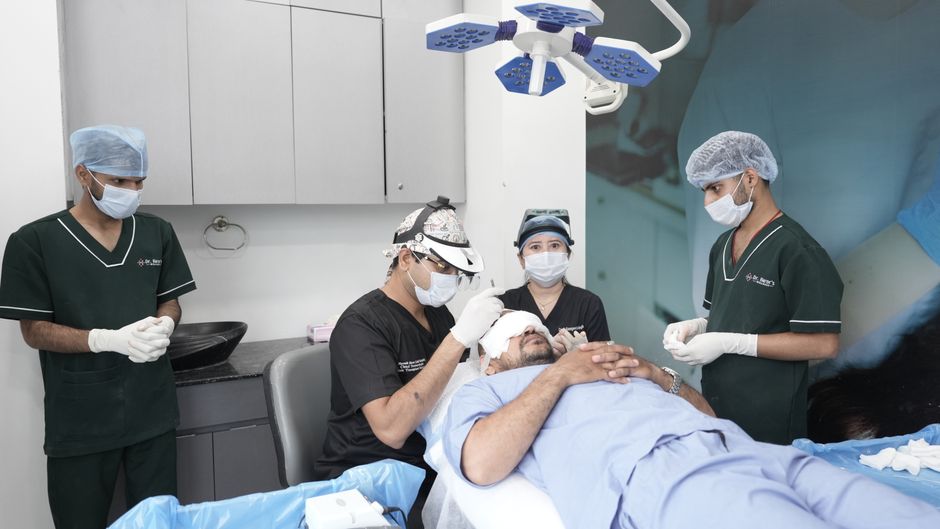
Days 1–3 are the hardest. You’ll experience the most swelling and bruising — expect a “raccoon eye” appearance from the ecchymosis. Most patients tell me the third day is the peak discomfort. You’ll have a splint on your nose and internal stitches that dissolve later.
Your surgeon will prescribe ice packs every 2‑3 hours and advise keeping your head elevated even while sleeping. This is not the time to explore Gangnam’s nightlife — stay in your recovery hotel near Apgujeong or Sinsa‑dong.
Can I laugh 4 days after rhinoplasty?
Yes, but gently. Laughing or smiling widely can pull on the internal sutures. I’ve seen patients who laughed uncontrollably and then felt a sharp tug — not dangerous, but uncomfortable.
Keep your facial expressions subdued for the first 5–7 days. The good news: by day 4 you’ll be off most pain medication and able to laugh without fear of popping a stitch.
Which day is the hardest after rhinoplasty?
Day 3 is commonly the worst, with swelling and discomfort peaking before easing by day 5.
The reason: the local anaesthetic wears off completely, blood flow to the area peaks, and the body’s inflammatory response is in full swing. Ice packs and prescribed pain relievers (often Tylenol, not NSAIDs — which can increase bleeding) are your best friends on day 3.
How long does a nose job take to heal in Korea?
Major healing takes 2–3 weeks. That’s when you’ll feel comfortable going out in public — many patients can walk around Myeongdong or Hongdae by day 14 without drawing stares. But full healing, where the nasal tip softens and the final shape emerges, takes 6–12 months.
This is especially important for Asian rhinoplasty, which often uses ear cartilage or rib grafts. Those grafts need time to integrate with the nasal tissues.
The “looking human again” stage typically arrives by week 2, but the nose continues to refine for a full year.
When can I fly back home after rhinoplasty in Korea?
After day 7. Most clinics will clear you for a flight on day 8 or 9. The risk is that the pressure changes in the cabin can cause bleeding or swelling, especially if internal incisions haven’t sealed.
Most surgeons recommend staying at least 7 days post‑op. Patients who fly as early as day 5 can experience delayed swelling — not worth the stress.
Book a flight that leaves on day 8 or later, and request an aisle seat so you can get up and walk every hour. This reduces the risk of deep vein thrombosis (DVT), which is higher for any surgical recovery.
What’s the week‑by‑week recovery timeline for rhinoplasty in Korea?
Week 1: The “I’m never doing this again” phase
Days 1–3: Ground zero. Swelling is at its peak, bruising circles your eyes, and you’ll have a light headache. Sleep with your head elevated (2–3 pillows). Ice every 2 hours for 20 minutes. Your clinic will likely have you on a liquid diet — soups and smoothies are safe.
Days 4–6: The turning point. Bruising starts to turn yellow and migrate downward (gravity works). The splint and internal stitches are still in place. You can take short walks around your hotel — this helps with circulation.
Day 7: Cast removal! The most emotional moment of your recovery. The clinic removes the splint, cleans the nose, and you see your new profile for the first time.
Most patients say, “It’s so swollen, but I can already see the shape.” Don’t panic if it looks high or uneven — that’s the swelling masking the final result. Your doctor will show you before/after photos to reassure you.
Week 2: Looking human again
Days 8–14: Bruising fades 80%. You can start using concealer or foundation on any remaining yellow discoloration. Many patients explore Gangnam’s cafés and shopping districts during this week. You’ll still have a slightly puffy nose, but it’s very social‑acceptable.
You can fly home now, but wear a nasal splint for the flight if your doctor provides one — it adds a layer of protection if you accidentally bump your nose on the tray table.
Weeks 3–4: Back to normal life
By week 3, you can return to work (desk job, no physical labour). The nasal tip may feel a little hard — that’s the graft settling.
You’ll notice that your nose changes shape as the day goes on (swelling shifts with fluid dynamics). Keep a small diary: “Morning looks better, afternoon tip feels bigger” — this is normal and will resolve over time.
Week 4: Swelling decreased significantly. You’ll get a 1‑month follow‑up (or update via photos if you’re already home). Most clinics in Seoul offer online consultations for overseas patients — take advantage of this. DO NOT skip the monthly check‑in; it helps your surgeon spot any early complications like graft displacement.
Months 1–3: 70% of the final result
The nose continues to refine. You’ll see the majority of your final shape by month 3. The tip might still be slightly elevated (that “piggy nose” look) but it will drop gradually as the swelling subsides.
Around month 2, you’ll notice the bridge looks more sculpted. Many patients start feeling confident enough for social events.
Months 6–12: The final reveal
By month 6, 90% of swelling is gone. The tip is soft to the touch. By month 12, the nose is fully settled.
This is when you can really judge the success of the surgery. Clinics like Samsung Medical Center (JCI‑accredited) require a final consult at 12 months to close your file.
Is Korea a good place for rhinoplasty?
Yes — if you choose wisely. Korea has a world‑renowned reputation for Asian rhinoplasty techniques.
The country’s MFDS (Ministry of Food and Drug Safety) regulates all medical devices and implants used in surgery, ensuring they meet international standards. HIRA (Health Insurance Review & Assessment Service) monitors hospital quality and publishes outcomes data publicly.
However, the market is saturated with clinics. The real differentiator is JCI accreditation. Only a handful of Korean plastic surgery hospitals have JCI — for example, Samsung Medical Center, Severance Hospital, and some private clinics in Gangnam.
JCI means the facility has passed rigorous international safety checks. Sticking with JCI‑accredited clinics is a sensible choice if you’re flying in from abroad.
How does rhinoplasty recovery in Korea compare to other procedures?
If you’re considering multiple procedures — many medical tourists do — know that rhinoplasty recovery is one of the most restrictive. For example, double eyelid surgery (blepharoplasty) and LASIK have much faster timelines (you’re back to normal in 3‑5 days). Similarly, dental implants have minimal downtime compared to a nose job.
But procedures like Botox or HIFU (non‑surgical) can be done at any point during your rhinoplasty recovery, as long as you avoid the nose area.
If you plan to combine surgeries, schedule the non‑facial ones for the same trip but leave the rhinoplasty at least 3 weeks after any other facial surgery to reduce overall inflammation.
Frequently asked questions about rhinoplasty recovery in Korea
When can I wear glasses after rhinoplasty?
After 6 weeks. The pressure of the frames can alter the new nasal bridge. Use an over‑the‑head strap or wear contact lenses until then.
Can I sleep on my side after rhinoplasty?
Not for the first 4 weeks. Sleeping on your back with elevated head is safest. Side sleeping puts pressure on one nostril and can distort the result.
Do I need to buy any special recovery items before coming to Korea?
Yes. Bring a neck pillow (for sleeping upright), a button‑down shirt (so you don’t pull a shirt over your face), and a small notebook for daily photos and notes.
What happens if I miss my follow‑up appointment?
Most clinics will accept a video call. But do NOT miss the day‑7 splint removal — that must be done in person. Schedule your flight to allow this.
Related Reading
For more in‑depth guidance on Korean medical tourism, check out these articles:
- Rhinoplasty Clinics in Korea — What to check when choosing
- Rhinoplasty Clinics in Seoul — What to check when choosing
- HIFU Treatment Clinics in Korea — non‑surgical options to combine with your trip
Last updated: May 02, 2026