
- Korean medical tourism is the practice of traveling to South Korea specifically for medical procedures, combining high-tech healthcare with cultural experiences.
- In 2018 alone, Korea welcomed 464,452 foreign cosmetic surgery patients — a 16.7% jump from the previous year.
- Patients choose Korea for JCI-accredited hospitals, strict MFDS regulations, and prices 30-60% lower than the US for procedures like rhinoplasty and LASIK.
You’ve seen the before-and-after photos on Instagram. The impossibly smooth skin. The precise jawlines. And you’ve probably wondered: “Is Korea really that much better at this stuff?”
After six years of coordinating medical trips and visiting facilities from Gangnam to Busan, I can tell you it’s not hype. It’s infrastructure. Medical tourism in Korea exploded because the country built an entire ecosystem around treating international patients — not as an afterthought, but as an industry priority.
But here’s where it gets tricky. Most guides gloss over the regulatory details that keep you safe. They don’t explain why JCI accreditation matters, or how HIRA tracks hospital outcomes. I’ll cover those gaps below, plus the cultural quirks that surprise first-timers.
| Procedure | Korea Average Cost | US Average Cost | Accreditation |
|---|---|---|---|
| Rhinoplasty | $3,000 – $5,000 | $8,000 – $15,000 | JCI Certified |
| Double Eyelid Surgery | $1,500 – $3,000 | $5,000 – $8,000 | JCI Certified |
| Dental Implant | $800 – $1,200 | $3,000 – $5,000 | MFDS Regulated |
| SMILE/LASIK (Myopia) | $1,200 – $2,500 | $4,000 – $6,000 | JCI Certified |
What Exactly Is Korean Medical Tourism and Why Do Patients Fly to Seoul?
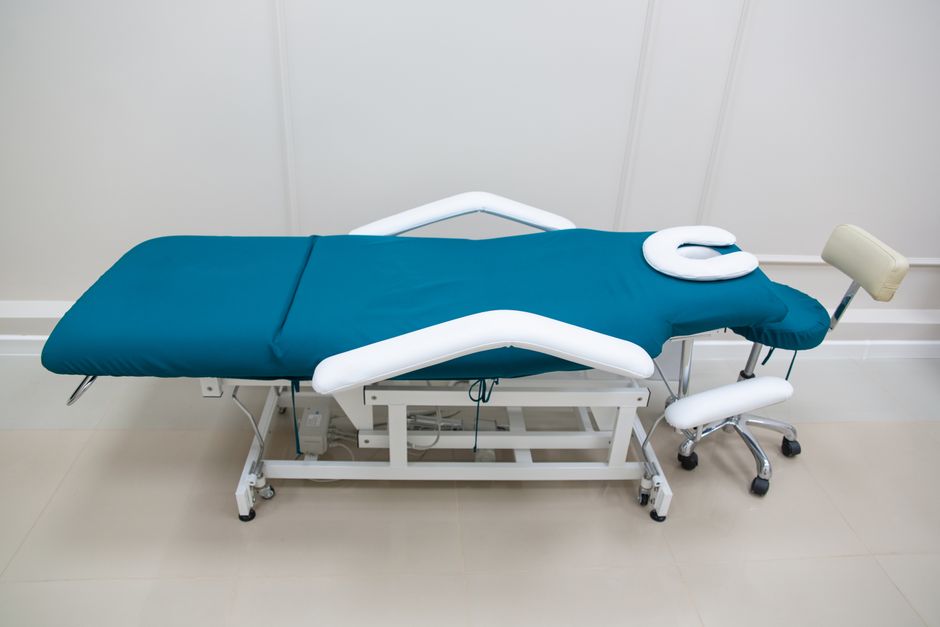
Korean medical tourism refers specifically to traveling to South Korea to receive medical, dental, or cosmetic procedures while experiencing Korean culture.
The trend started in the early 2000s when Korean hospitals began marketing advanced plastic surgery techniques to neighboring Asian countries. By 2026, it’s evolved into a sophisticated industry where hospitals offer airport pickups, translation services, and post-op recovery hotels.
Patients don’t just save money. They access technology that hasn’t received FDA clearance in the US yet, or techniques perfected through sheer volume. A Korean surgeon might perform 500 blepharoplasty procedures annually, while their American counterpart does 50.
Is South Korea known for medical tourism?
Yes, globally recognized. South Korea ranks among the top 10 medical tourism destinations worldwide as of 2026, with the Korea Health Industry Development Institute reporting over 580,000 foreign patients in 2024 alone.
The government actively promotes “Medical Korea” through dedicated visa categories (C-3-3 Medical Tourism visas) and tax incentives for international patients. Major hospitals in Seoul now employ dedicated international patient coordinators who speak English, Mandarin, Russian, and Arabic.
Why Is JCI Accreditation Critical When Choosing a Korean Hospital?
JCI (Joint Commission International) accreditation represents the highest international standard for healthcare quality and patient safety. When JCI accredits hospital quality, it means the facility meets rigorous standards for infection control, medication management, and patient rights.
Here’s what surprised me during facility tours. JCI accredits Samsung Medical Center and JCI accredits Severance Hospital — both prestigious institutions that handle complex cardiac and oncological cases for medical tourists. These aren’t just cosmetic surgery clinics; they’re research hospitals with survival rates matching or exceeding US benchmarks.
But not every clinic catering to foreigners holds JCI status. Some smaller facilities rely on Korean domestic accreditation only. That’s fine for locals, but as a medical tourist, you want the accountability that comes with international standards.
How Do MFDS and HIRA Regulations Protect International Patients?
The MFDS (Ministry of Food and Drug Safety) and HIRA (Health Insurance Review and Assessment Service) create a dual-layer safety net for medical tourists. While MFDS regulates medical procedures and devices (including MFDS regulates Botox and fillers), HIRA monitors treatment outcomes and hospital performance data.
This system means your breast implants or facial fillers undergo the same scrutiny as prescription drugs. Korea was one of the first countries to require real-name reporting for all cosmetic procedures, making it harder for unqualified practitioners to operate under the radar.
HIRA publishes hospital-specific success rates for complex surgeries. As a medical tourist, you can request this data through your coordinator. Try getting that transparency in Los Angeles or Miami.
Which Procedures Attract the Most Medical Tourists to Korea?
Cosmetic surgery dominates, but vision correction and dentistry are growing rapidly. The big five are rhinoplasty, double eyelid surgery (a type of blepharoplasty), facial contouring, dental implant work, and vision correction.
Korean surgeons pioneered the “open” rhinoplasty technique using autologous cartilage (from your ear or ribs) rather than silicone implants. This reduces rejection rates dramatically. For dental work, Seoul’s dental clinics use same-day CAD/CAM technology that would cost triple in Manhattan.
But the real volume driver? Myopia correction. Korea has one of the highest myopia rates globally, so their surgeons have unmatched experience with complex prescriptions.
Why Is Korea Specifically Renowned for Myopia and Vision Correction?
Korea performs more vision correction surgeries per capita than any country except Japan. This volume means Korean ophthalmologists lead development of next-generation techniques like SMILE (Small Incision Lenticule Extraction).
SMILE treats myopia and astigmatism through a tiny 2mm incision — no flap creation like traditional LASIK. Patients experience less dry eye and faster return to contact sports. As of 2026, Korean clinics offer SMILE Pro, a AI-guided version not yet widely available in North America.
The technology gap is real. Many Korean clinics advertise topography-guided lasers; ask which system your surgeon uses.
What Cultural and Practical Considerations Should Medical Tourists Understand?
Successful medical tourism requires understanding both logistics and social norms. Beyond hospital walls, you’ll navigate Korean daily life during recovery.
What is the 52 hour rule in Korea?
It refers to the maximum legal work week of 52 hours (40 regular + 12 overtime). While seemingly unrelated to medical tourism, this law affects clinic operating hours.
Most cosmetic surgery clinics close weekends and observe public holidays strictly. Plan your arrival accordingly. You can’t schedule a Friday surgery and expect Monday check-ins if Monday is a holiday. Book Tuesday-through-Friday slots for optimal post-op monitoring.
What is the 3 date rule in Korea?
It’s an informal dating custom suggesting intimacy occurs after three dates. Why mention this? Because medical tourism often spans 10-14 days, and solo travelers sometimes form connections during recovery.
More importantly, understand that Korean medical culture is conservative. Doctors may seem blunt or emotionally detached compared to Western bedside manner. They’re not being rude; they’re being professional. The “getting to know you” phase happens after trust is established, not before.
Can someone live for $2000 a month in South Korea?
Yes, comfortably. Outside Seoul’s Gangnam district, monthly expenses including rent run $1,200-$1,800.
Medical tourists staying 2-4 weeks for recovery often rent serviced apartments near hospitals. These include wifi, weekly cleaning, and kitchenettes for $40-80 nightly. Eating at hospital cafeterias or local kimbap shops keeps food costs under $15 daily. Your biggest expense will be the procedure itself, not the stay.
When Should You Book Through a Medical Tourism Agency vs. Going Direct?
Book direct only if you speak Korean or have a trusted local contact. Otherwise, the coordination complexity outweighs potential savings.
Agencies handle the hidden logistics: synchronizing multiple specialist appointments, negotiating package rates for extended stays, and providing 24/7 emergency translation. When complications arise (and they sometimes do), you want an advocate who knows which hospital departments respond fastest at 2 AM.
I’ve seen patients try to self-book to save $500, then spend $2,000 extra on last-minute changes when schedules conflicted. Medical Tourism Agencies in Korea exist for a reason — they manage the friction.
What Do Medical Tourism Experts Say About Korea’s Safety Record?
Frequently Asked Questions
How much cheaper is surgery in Korea compared to the US?
Expect 30-60% savings. A rhinoplasty costing $12,000 in Beverly Hills runs $3,000-5,000 in Seoul. Dental implant procedures cost roughly one-third of US prices. These savings remain even after factoring in flights and 2-week accommodation.
Do Korean doctors speak English?
Surgeons at major medical tourism hospitals usually do. However, nursing staff and receptionists may have limited English. International patient centers provide dedicated translators, but be sure to request English-speaking anesthesia teams specifically — this is where communication gaps most often occur.
How long should I stay in Korea after surgery?
Minimum 7-10 days for most procedures. Rhinoplasty and facial contouring require 2 weeks minimum due to swelling patterns. LASIK patients need only 3-4 days. Your surgeon should clear you for flying before departure, as cabin pressure affects fresh surgical sites.
Is it safe to get Botox in Korea?
Yes, if you verify the product. Because MFDS regulates Botox strictly, Korean clinics use authentic Allergan or Nabota products with full chain-of-custody documentation. Ask to see the vial before injection. Avoid basement “skin clinics” in shopping districts that advertise suspiciously low prices ($50-80) — these often use diluted or counterfeit products.
Can I combine tourism with my medical treatment?
Pre-surgery yes, post-surgery no. Schedule sightseeing, shopping, and restaurant visits before your procedure. After surgery, you’ll need rest, climate-controlled environments, and minimal walking. Save the DMZ tours and palace visits for your pre-op days.
Related Reading
Ready to plan your trip? Start with these detailed guides:
- Korean Medical Tourism Packages — What to check when choosing
- Medical Tourism Agencies in Korea — What to check when choosing
- Hospitals for Medical Checkup in Seoul for Foreigners — What to check when choosing
Last updated: May 01, 2026