
- PDRN (polydeoxyribonucleotide) is a DNA-derived compound, typically from salmon sperm, that speeds up tissue repair by activating A2 adenosine receptors on skin cells.
- It works by stimulating fibroblast activity, boosting collagen and elastin production, and improving blood flow — making it a top choice for regenerating damaged or aging skin.
- In Korea, PDRN is regulated by the MFDS as a medical-grade injectable, not a cosmetic product. Clinics often combine it with microneedling, exosomes, or HIFU for maximum results.
- Results can last 6–12 months, with costs ranging from $200–$800 per session depending on the clinic and whether it’s combined with other therapies.
What Exactly Is PDRN and Where Does It Come From?
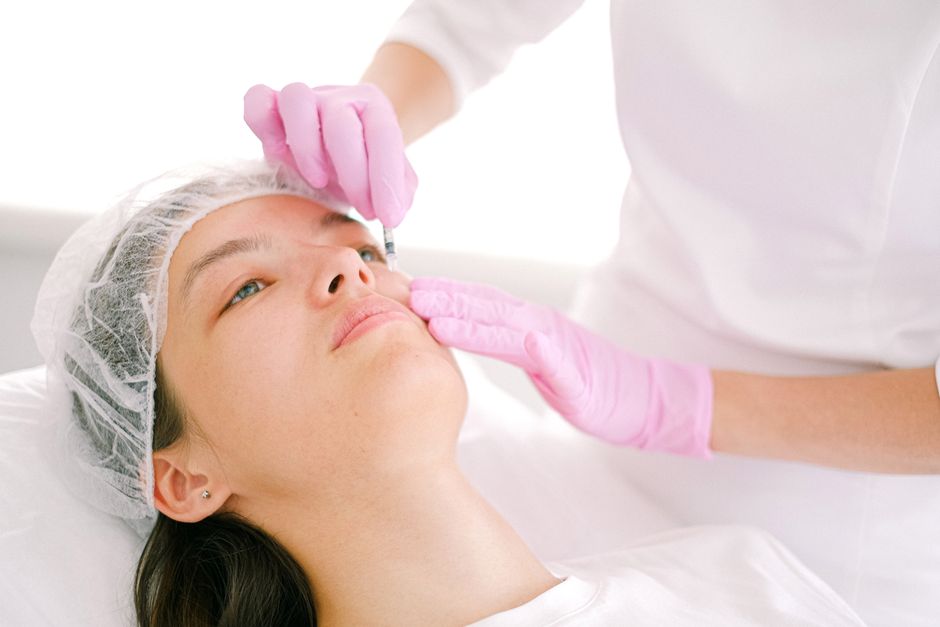
PDRN (polydeoxyribonucleotide) is a DNA-derived compound extracted from salmon sperm cells, purified and processed for medical use. It’s not new — researchers have studied it for wound healing since the 1990s.
But in the last three years, it’s exploded in Korean medical tourism as the go-to injectable for skin rejuvenation, hair restoration, and even joint repair.
Here’s where the science gets interesting. PDRN works by docking onto A2 adenosine receptors on the surface of your skin cells.
Once activated, these receptors trigger a cascade of regenerative signals — increased fibroblast activity, more collagen and elastin, and enhanced capillary circulation. Think of it as flicking a “heal” switch inside every treated cell.
In Korea, the MFDS (Ministry of Food and Drug Safety) classifies PDRN as a pharmaceutical drug, not just a cosmetic serum. That means it must meet strict manufacturing standards.
Clinics that offer PDRN injections are regulated under the same framework that governs Botox fillers and dental implant procedures. This level of oversight is one reason medical tourists from the US and Europe travel to Seoul for treatment.
How Does PDRN Injections Work at the Cellular Level?
PDRN works by binding to the A2A subtype of adenosine receptors on fibroblasts, endothelial cells, and immune cells. This binding triggers multiple downstream effects that answer the question “how does PDRN really work?” in a way topical creams can’t match.
What specific biological processes does PDRN trigger?
Three major processes happen within hours of injection. First, fibroblasts get activated and start churning out collagen type I and III. Second, new blood vessels form (angiogenesis), delivering oxygen and nutrients to the treated area.
Third, anti-inflammatory cytokines rise, reducing redness and swelling faster than standard treatments. A 2017 review by Squadrito et al. in Pharmacological Activity and Clinical Use of PDRN (PMC5405115) confirmed these mechanisms across 225+ studies.
Why is PDRN often called “salmon DNA treatment”?
Because the primary source is salmon sperm, which has a DNA composition very similar to human DNA. Salmon PDRN has a high proportion of certain nucleotides that bind strongly to human A2 receptors.
Some cheaper PDRN products use non-salmon sources, but they have lower clinical efficacy — that’s why Korean clinics emphasize “salmon-derived” in their marketing. Always check whether the product is sourced from salmon and approved by the MFDS.
What Conditions Does PDRN Treat — and What Are the Downsides?
PDRN is most commonly used for skin rejuvenation, scar reduction, hair regrowth (especially for female pattern hair loss), and wound healing. But recently, Korean clinics have also employed it for blepharoplasty recovery — injecting around the eyes to reduce swelling after ptosis correction or double eyelid surgery.
Some practitioners even use it for myopia-related eye strain (though this is off-label and not yet MFDS-approved). The list is growing, so always confirm with your clinic what’s standard.
What are the downsides of PDRN?
Yes, PDRN has several potential downsides you must consider. First, it’s not a one-and-done treatment — most people need 3–6 sessions spaced 2–4 weeks apart. Second, the results take time: you won’t see full collagen remodeling for 2–3 months after your last session.
Third, there’s a risk of bruising, swelling, and lumpiness under the skin if injected by an inexperienced practitioner.
Fourth, because PDRN is a DNA extract, some patients with shellfish or fish allergies may have reactions — though the purification process typically removes allergenic proteins. A skin test is recommended before the first session.
How Long Do PDRN Results Last — and How Much Does It Cost in Korea?
Most patients report visible improvements lasting 6 to 12 months after a full course of 3–6 sessions. The longevity depends on your age, metabolism, sun exposure, and whether you combine PDRN with other treatments like HIFU or microneedling.
People over 35 may need maintenance sessions more often than younger patients; your clinic will advise on timing.
How much does PDRN treatment cost in Korea compared to the US?
In Korea, a single session of PDRN injection costs between $200 and $800 depending on the clinic, the area treated, and whether it’s combined with exosomes or other boosters. A full face treatment (including neck) at a JCI-accredited clinic like Samsung Medical Center or Severance Hospital averages $500–$700 per session.
In the US, the same treatment runs $1,000–$2,000 per session. That’s a 50–70% cost reduction, which is why Korean medical tourism for PDRN is surging.
| Treatment Package | Korea (per session) | US (per session) | Savings |
|---|---|---|---|
| PDRN Face (3 sessions) | $600 – $2,100 | $3,000 – $6,000 | ~65% |
| PDRN + Exosomes | $800 – $1,200 | $2,500 – $4,000 | ~70% |
| PDRN for Hair (4 sessions) | $800 – $1,600 | $3,200 – $6,400 | ~60% |
Do Dermatologists Recommend PDRN — and What About Clinic Safety in Korea?
Yes, many dermatologists and plastic surgeons recommend PDRN, especially for patients who cannot tolerate retinol or lasers.
Acne treatment clinics in Seoul now offer PDRN as a standard adjuvant for acne scars and post-inflammatory erythema.
How do I know my Korean clinic is safe for PDRN?
Look for JCI accreditation and MFDS registration. JCI (Joint Commission International) accredits hospital quality — Samsung Medical Center and Severance Hospital are both JCI-accredited. The MFDS regulates all injectable products in Korea, including PDRN.
Also check whether the clinic is registered with HIRA for foreign patient claims. Before booking a PDRN treatment clinic in Seoul, confirm its MFDS compliance and JCI or KAHF accreditation yourself.
Can PDRN be combined with surgery like rhinoplasty or blepharoplasty?
Absolutely — and this is where Korean clinics excel. Surgeons often inject PDRN around the eyes after blepharoplasty (ptosis correction or double eyelid surgery) to reduce swelling and speed healing.
Some clinics even use it during rhinoplasty recovery to minimize scar tissue. The anti-inflammatory effect is well-documented. Just make sure your surgeon has experience combining injectables with surgery — not every clinic offers this.
How Should I Prepare for My PDRN Treatment and What Does Recovery Look Like?
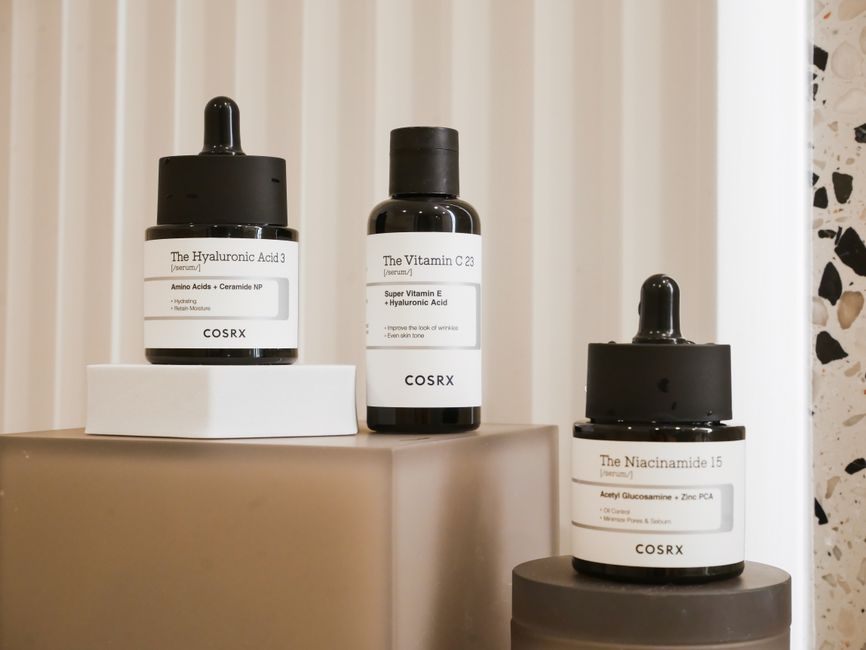
You don’t need much preparation, but there are a few rules. Avoid blood thinners (aspirin, ibuprofen, alcohol, fish oil) for 5–7 days before treatment. Arrive with clean skin — no makeup, sunscreen, or retinoids. Your practitioner will apply a topical numbing cream 20 minutes before injection.
Recovery is minimal: Expect mild swelling and pinpoint red marks for 2–4 days. You can apply the provided soothing cream immediately, but avoid sun exposure for a week.
Many patients schedule PDRN sessions around other procedures — a dental implant consultation, for example, or a full day at the clinic. Most Korean medical tourism agencies bundle PDRN with other aesthetic visits.
When Should I See a Specialist for PDRN Treatment?
Any licensed dermatologist or plastic surgeon at a reputable Korean clinic can administer PDRN. But you should specifically seek a specialist if you have: a history of fish or shellfish allergy, current active acne or infection, a bleeding disorder, or if you’re combining PDRN with surgery (rhinoplasty, blepharoplasty, double eyelid surgery).
In those cases, choose a clinic with both a surgical board certification and MFDS approval for the PDRN product.
Expert Perspective: Why Korean Medical Tourism for PDRN Stands Out
I’ve seen patients fly from New York to Seoul specifically for PDRN because they can get a full course (3–6 sessions) plus a blepharoplasty or rhinoplasty for less than just the PDRN injections cost in the US.
The combination of MFDS regulation, JCI-accredited hospitals, and experienced surgeons makes Korea the global hub for this treatment.
Frequently Asked Questions About PDRN Treatment
Is PDRN safe for sensitive skin or rosacea?
Yes, PDRN is considered safe and often beneficial for sensitive skin and early-stage rosacea. Its anti-inflammatory properties help calm redness.
However, always get a patch test first, and avoid PDRN if you have a known fish allergy. Most Korean clinics do a small test injection behind the ear before proceeding with full-face treatment.
Can PDRN help with myopia or eye strain?
There is no FDA or MFDS approval for PDRN treating myopia. Some off-label practitioners inject PDRN around the eyes to improve blood flow to the retina, but this is experimental and not recommended for routine myopia correction. Stick to established uses like skin rejuvenation, scarring, and surgical recovery.
Does PDRN work for male pattern baldness?
Limited data supports PDRN for androgenic alopecia in men. Results are generally considered inferior to finasteride or minoxidil.
PDRN works better for female pattern hair loss and post-traumatic hair thinning. For men, it’s best used as an adjunct, not a primary treatment.
How many sessions do I need for scars?
For acne scars or surgical scars, most patients need 4–6 sessions spaced 3 weeks apart. Results vary by patient and scar type. Combining PDRN with microneedling or fractional laser gives better results than either alone.
Related Reading
- PDRN Treatment Clinics in Seoul
- HIFU Treatment Clinics in Korea
- Acne Treatment Clinics in Seoul
Last updated: May 02, 2026