
- Rejuran Healer is a polynucleotide (PN) injection derived from salmon DNA that repairs skin barriers and stimulates collagen production
- Expect to pay $181 to $275 USD for 2cc in Seoul as of 2026—roughly 70% less than Singapore or US clinics
- One session isn’t enough; you’ll need 3-4 treatments spaced 2-4 weeks apart for the “glass skin” results trending on social media
You’ve probably seen the TikToks. “I flew to Seoul for salmon sperm injections” is the latest caption flooding your feed.
But this isn’t clickbait. Rejuran Healer has become the cornerstone of Korean medical tourism, drawing thousands of international patients to JCI-accredited clinics monthly. The treatment uses polynucleotides (PN) extracted from salmon DNA—not actual sperm—to trigger cellular repair.
I’ve watched this trend explode from a niche dermatology secret to Seoul’s most booked aesthetic procedure. The appeal? It promises the “baby skin” texture that K-beauty is famous for, without the frozen look of neurotoxins.
| Feature | Specification |
|---|---|
| Active Ingredient | Polynucleotide (PN) / PDRN from salmon DNA |
| Average Cost (Seoul) | 250,000–380,000 KRW ($181–$275 USD) for 2cc |
| Recommended Protocol | 3–4 sessions, 2–4 weeks apart |
| Regulatory Body | MFDS (Ministry of Food and Drug Safety) |
| Downtime | 24–48 hours (minor redness/bumps) |
| Results Duration | 6–12 months (varies by age/skin condition) |
What is Rejuran Healer and how does it actually work?
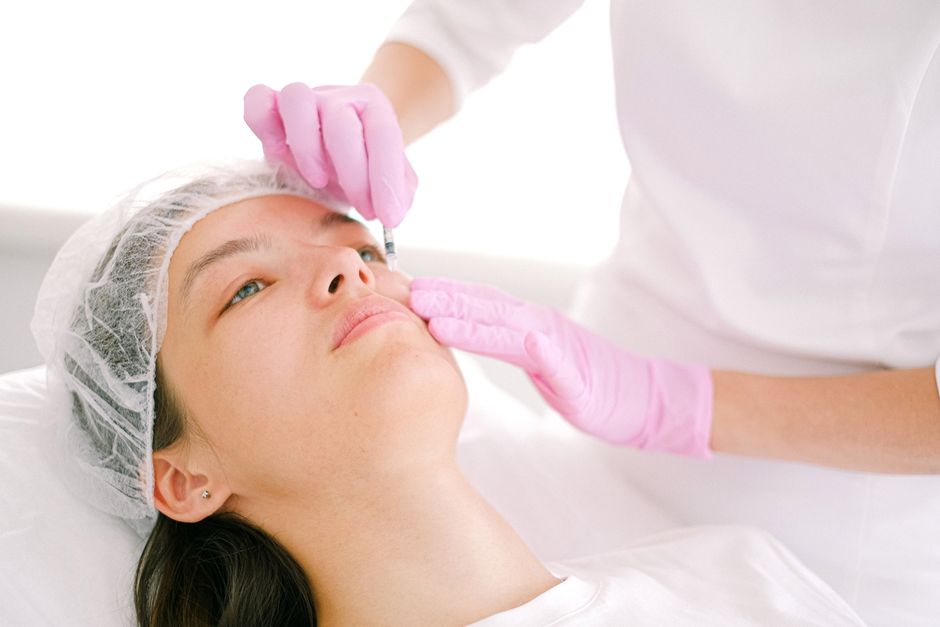
Rejuran Healer is a skin regeneration injection containing long-chain polynucleotides (PN) extracted from salmon DNA. These molecules penetrate the dermis to trigger fibroblast activity and collagen synthesis.
Think of it as fertilizer for your skin. While hyaluronic acid fillers add volume, and Botox freezes muscles, Rejuran repairs the skin’s structural integrity at the cellular level. It increases skin thickness, improves elasticity, and reduces fine lines by healing the skin barrier itself.
The treatment earned the nickname “baby skin injection” in Seoul’s Gangnam district. Patients don’t look “done” or frozen. Instead, skin appears noticeably dewier, with that specific glass-like reflectiveness Korean beauty culture prizes.
How much is Rejuran Healer in Korea in USD?
A standard 2cc full-face treatment costs between $181 and $275 USD at premium Seoul clinics as of 2026. That’s roughly one-third the price you’d pay in Singapore or Los Angeles for the exact same product.
This pricing gap explains why Korean medical tourism for Rejuran has surged 340% since 2023. Clinics in Gangnam and Apgujeong compete aggressively, driving costs down while maintaining JCI accreditation standards. The same 2cc syringe that runs 380,000 KRW in Seoul often costs $800–$1,200 in Western capitals.
Most patients budget for 3–4 sessions total. At Korean rates, your complete transformation runs roughly $600–$900. In London or New York, that same protocol costs $2,500–$4,000.
Is one session of Rejuran Healer enough for visible results?
No, one session provides only superficial hydration and subtle texture improvement. Clinics typically recommend a course of at least three sessions spaced a few weeks apart.
After your first injection, you’ll notice immediate “bounciness” from the fluid injection itself. This fades within 72 hours. The real magic—thicker skin, smaller pores, reduced fine lines—emerges around week three after the second or third treatment.
Dermatologists call this cumulative effect “tissue remodeling.” Each session builds upon the last, creating what researchers term the “dermal recovery cycle.” One session simply can’t trigger enough fibroblast migration to rebuild your skin architecture.
Post-protocol maintenance involves one session every 6–12 months. Think of the initial three sessions as building your foundation, and the annual touch-up as upkeep.
How do JCI accreditation, MFDS oversight, and HIRA guidelines protect international patients?
JCI accreditation, MFDS regulations, and HIRA pricing standards create a three-layer safety system distinguishing legitimate clinics from discount injection parlors. JCI accredits hospital quality at facilities like Samsung Medical Center and Severance Hospital, ensuring sterile preparation rooms and emergency protocols exist.
The MFDS (Ministry of Food and Drug Safety) regulates medical procedures involving biological substances. Just as MFDS regulates Botox importation and storage temperatures, they enforce strict cold-chain logistics for Rejuran’s salmon DNA extracts. Only MFDS-approved polynucleotide products can legally enter Korean clinics.
HIRA (Health Insurance Review and Assessment Service) doesn’t cover cosmetic Rejuran, but they audit clinic pricing transparency. HIRA guidelines require international patient departments to publish fee schedules in English, preventing the “tourist tax” common in other medical tourism destinations.
Should patients with myopia or ptosis combine treatments with Rejuran Healer?
Patients seeking correction for myopia or ptosis during Korean medical tourism trips often add Rejuran Healer to their itinerary, though these conditions require entirely different procedures. Myopia (nearsightedness) is treated via LASIK or SMILE surgery at ophthalmology centers, while ptosis (drooping eyelids) requires blepharoplasty.
Blepharoplasty corrects ptosis by tightening the levator muscle responsible for lifting the eyelid. Many international patients schedule this functional eye surgery alongside cosmetic double eyelid surgery, then add Rejuran Healer sessions during their 7–10 day Seoul stay.
Rhinoplasty and dental implant procedures are also popular complements. The strategic approach: handle surgical recovery first, then enjoy Rejuran’s glow-up once swelling subsides.
Which is better for anti-aging: Botox or Rejuran Healer?
Botox and Rejuran serve completely different aging mechanisms, and most Seoul dermatologists recommend combining them rather than choosing. Botox temporarily paralyzes facial muscles to prevent dynamic wrinkles (crow’s feet, forehead lines). MFDS regulates Botox as a neurotoxin requiring precise anatomical knowledge.
Rejuran addresses static aging—volume loss, thinning skin, and textural damage from sun or pollution. It aims to thicken the dermis over a course of sessions.
| Feature | Botox | Rejuran Healer |
|---|---|---|
| Mechanism | Muscle relaxation | Cellular regeneration |
| Target | Expression lines | Skin quality/elasticity |
| Onset | 3–7 days | 3–4 weeks (cumulative) |
| Duration | 3–4 months | 6–12 months |
| Best For | Preventing deep lines | Repairing damaged skin |
The “Seoul Combo” involves Botox in the upper face (forehead, glabella) and Rejuran across the cheeks, under-eyes, and neck. This addresses both muscle movement and skin quality simultaneously.
When should you avoid Rejuran Healer and consult a specialist?
Avoid Rejuran Healer if you have active acne outbreaks, skin infections, or are currently pregnant. The micro-needling injection technique can spread bacterial acne or trigger herpes simplex outbreaks in susceptible patients.
Severe allergies to salmon or seafood require a patch test 24 hours prior. While the DNA extracts are highly purified, trace proteins can trigger anaphylaxis in hypersensitive individuals.
What do Seoul dermatologists recommend for long-term Rejuran maintenance?
Clinics now combine Rejuran with exosome therapy or low-level laser therapy to enhance penetration. However, the core protocol remains unchanged: consistency trumps intensity.
Frequently Asked Questions
How long does Rejuran Healer last?
Results typically last 6–12 months depending on your age, metabolism, and sun exposure. Smokers metabolize the polynucleotides faster, often requiring touch-ups every 5–6 months. Non-smokers with diligent sunscreen habits can stretch maintenance to 14 months between sessions.
Is the procedure painful?
Expect a mild stinging sensation compared to Botox. Rejuran has a higher viscosity than hyaluronic acid, creating more pressure during injection. Most JCI-accredited clinics use topical numbing cream for 30 minutes