
- Verify the clinic’s JCI accreditation number on the Joint Commission International website — real photos require real hospital infrastructure
- Cross-check surgeon names against MFDS (Ministry of Food and Drug Safety) registries to confirm they’re licensed for the procedures shown
- Download the UNNI app (5,300+ registered doctors, 3,000+ clinics) to compare clinic photos against verified patient submissions
- Request HIRA-documented medical certificates with before/after timestamps for border crossing documentation
You’re staring at your phone at 2 AM. The transformation looks miraculous — cheeks lifted, jawline sharpened, eyes brightened. But something feels off.
I’ve been there. After helping dozens of friends navigate Korean medical tourism over six years, I’ve seen $15,000 revision surgeries that happened because someone trusted photos that weren’t just manipulated — they were medically impossible. With 68,800,000 search results creating noise instead of clarity, you need a system.
Here’s the thing: Korean clinics aren’t legally required to label edited photos. But they are required to maintain documentation that you can check. This guide shows you exactly how.
| Verification Step | Time Needed | Cost | Red Flag Level |
|---|---|---|---|
| JCI Accreditation Check | 5 minutes | Free | Critical |
| MFDS Surgeon License Verify | 10 minutes | Free | High |
| HIRA Medical Certificate Request | 1-3 days | $50-$100 | Medium |
| UNNI App Cross-Reference | 15 minutes | Free | High |
How can I verify if JCI accreditation ensures authentic photos?
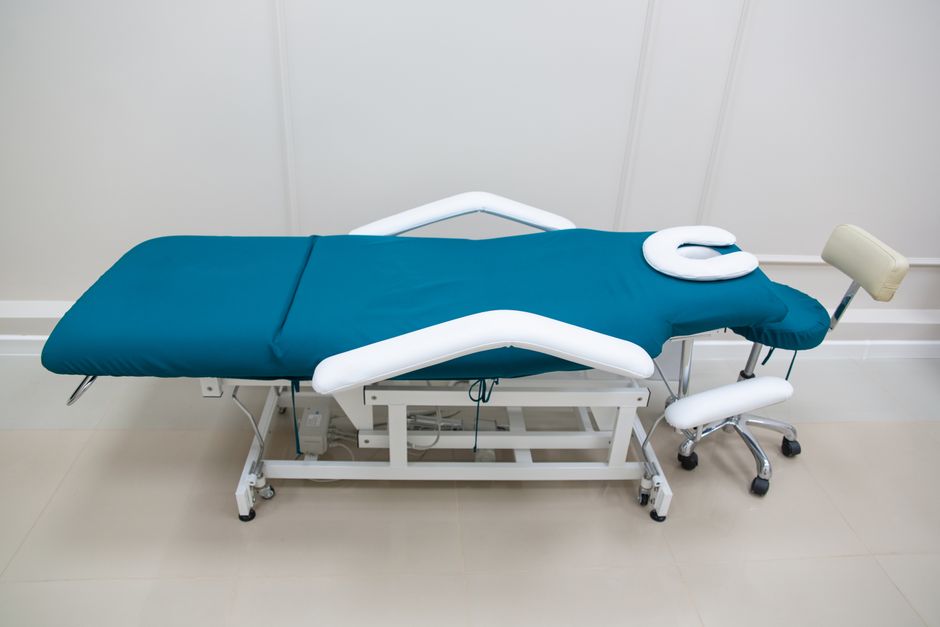
JCI accreditation doesn’t guarantee specific photo authenticity, but it indicates the hospital follows strict documentation standards that make fake photos harder to hide. When JCI accredits hospital quality, they require timestamped medical photography protocols.
Start by checking if the clinic appears on the Joint Commission International website. JCI accredits Samsung Medical Center and JCI accredits Severance Hospital — these facilities maintain photographic evidence chains that smaller clinics often skip.
Here’s the kicker: JCI-accredited facilities must store unedited photos for 5-7 years depending on procedure type.
If a clinic claims JCI status but can’t produce raw file metadata upon request, you’re looking at stolen or altered images.
What MFDS and HIRA records should I check before trusting photos?
You should verify surgeon MFDS registration and check HIRA audit reports before believing any transformation gallery. MFDS regulates medical procedures including everything from rhinoplasty to dental implant installations.
Search the surgeon’s name on the Ministry of Food and Drug Safety database. If they’re advertising HIFU treatments or laser procedures, MFDS regulates Botox and device certifications too. Unlicensed practitioners often steal photos from legitimate surgeons.
HIRA (Health Insurance Review & Assessment Service) maintains procedure records. As of 2026, clinics catering to medical tourists increasingly provide HIRA-backed medical certificates with before/after photos to help patients pass border checks.
This paperwork proves the procedure actually occurred on that date.
How do ptosis and myopia corrections affect photo comparisons?
Ptosis and myopia corrections create dramatically different before and after photos that untrained eyes often mistake for filtering or manipulation. When blepharoplasty corrects ptosis (drooping eyelids), the eye appears dramatically larger without any digital enlargement.
Double eyelid surgery combined with ptosis correction can make eyes look 30-40% more open. This isn’t editing — it’s surgical mechanics. Similarly, myopia correction procedures (like implantable collamer lenses) change how light reflects off the retina, making eyes appear brighter in after-photos.
Ask the clinic to specify which procedures they performed. If they claim a simple blepharoplasty created a 50% eye size increase, request lateral canthoplasty records.
The specific measurements matter.
What lighting and angle tricks should I watch for?
Clinics use specific lighting manipulations — particularly downward before-photos and upward after-photos — to exaggerate results without technically “editing” the image. This happens more often than you’d think.
Check the shadow direction. Natural overhead lighting creates shadows under the brow bone and nose. If the before-photo shows harsh downward shadows while the after-photo uses front-facing ring light, you’re not seeing skin improvement. You’re seeing photography equipment difference.
Focal length matters too. Wide-angle lenses (24-35mm) distort facial proportions, making noses look larger and jaws wider. Telephoto lenses (85-135mm) flatten features.
Legitimate clinics use 50mm equivalent lenses with consistent lighting at 1.5-meter distances.
Watch for hairline changes. Clinics sometimes pull hair back tightly in before-photos and style it loosely in after-photos to create the illusion of facial lifting. This is common in facelift and thread lift galleries.
Which apps and platforms help verify authentic Korean clinic photos?
The UNNI app hosts 5,300 registered doctors and 3,000 registered clinics, letting you cross-reference photos against verified patient reviews. This isn’t just another review site — it’s the dominant platform for Korean medical tourism transparency.
But wait — there’s more to this ecosystem than just one app.
What is the Unni app?
UNNI (meaning “older sister” in Korean) is the largest medical tourism platform in Korea and Japan. Unlike clinic websites, UNNI requires verified post-operative photos with timestamp watermarks. Users upload their actual results, often including recovery day-by-day documentation that exposes misleading clinic marketing.
Is there an app to see what plastic surgery would look like?
Yes, but don’t trust them for verification. Apps like FaceTune or ModiFace show simulations, not predictions. Real Korean clinics rarely use these for consultation — they use 3D CT imaging and morphing software instead. If a clinic’s “before and after” looks exactly like a simulation app filter, that’s your red flag.
Which is the most trusted plastic surgery in Korea?
“Trusted” depends on verification standards, not just aesthetics. As of 2026, ID Hospital, Banobagi, and JK Plastic Surgery maintain the most transparent photo policies with third-party verification. However, smaller boutique clinics in Gangnam often provide more personalized documentation.
Check HIRA scores, not just Instagram followings.
How safe is Lienjang Gangnam?
Lienjang clinics (chain aesthetic shops) vary dramatically by location. The Gangnam main branch maintains JCI-aligned documentation, but franchise locations may use stock photos. Always verify that your specific doctor — not just the chain — appears in MFDS registries.
Safety correlates with documentation transparency, not brand recognition.
What are the most expensive mistakes when verifying photos?
I’ve watched four friends make the same error. They fell for “consistency bias” — assuming because one photo looked real, they all were.
Mistake 1: Ignoring body proportion changes. If the neck looks longer or shoulders narrower in after-photos, the image is stretched. Human anatomy doesn’t change with rhinoplasty.
Mistake 2: Trusting “same outfit” photos. Smart clinics keep patients’ consultation clothes specifically for after-photos. Different makeup and lighting, same shirt — looks convincing unless you check the collar wrinkles and shadow consistency.
Mistake 3: Not requesting raw files. Legitimate clinics shoot in RAW format with embedded metadata showing date, time, and camera settings. JPEG exports lose this data. Ask for the RAW proof.
Mistake 4: Skipping the video verification. As of 2026, clinics provide 360-degree video consultations showing recent results. Static photos lie; moving video with date stamps doesn’t.
What do medical tourism experts say about photo verification?
Frequently Asked Questions
Can clinics legally use Photoshop on before and after photos in Korea?
Technically, yes — there’s no specific law banning photo editing for marketing. However, MFDS regulations prohibit “false or exaggerated advertising” of medical results. The distinction is blurry, which is why JCI accreditation matters more than local legal standards for international patients.
How do I check if a photo is stolen from another clinic?
Use Google Reverse Image Search and TinEye. Upload the clinic’s photo. If it appears on multiple clinic websites with different surgeon names attached, it’s stolen. Real Korean clinic photos rarely appear on stock photo sites — they’re proprietary.
Why do some after-photos look worse than the before-photos?
Honest clinics show realistic healing stages. Bruising and swelling at 2 weeks post-op isn’t failure — it’s biology. If every photo shows perfect makeup and zero swelling, you’re looking at staged photos taken months later, not immediate results.
Should I be worried if a clinic refuses to show me unedited photos?
Absolutely. Refusal to provide RAW files or HIRA documentation suggests either the results aren’t theirs or the outcomes were poor. Transparent clinics maintain detailed photo libraries as legal protection.
Secrecy serves the clinic, not you.
Related Reading
- Skin Clinics in Korea — What to check when choosing
- HIFU Treatment Clinics in Korea — What to check when choosing
- Hospitals in Korea for International Patients — What to check when choosing
Last updated: May 01, 2026