
“`html
- Korean plastic surgeons must hold board certification from the Korean Society of Plastic and Reconstructive Surgeons (KSPRS) or the Korean Society of Aesthetic Plastic Surgery (KSAPS) — these are government-recognized specialty boards.
- Always verify certification through the Korean Medical Association’s online portal or the surgeon’s hospital. Double board-certified means the surgeon is certified in two specialties (e.g., plastic surgery and otolaryngology).
- Look for hospital-level accreditations like JCI (Joint Commission International) and check that the clinic uses MFDS-approved devices and fillers — this is your safety net.
You’ve found a Seoul clinic with stunning before-and-after photos, a competitive price, and a surgeon who speaks English. But there’s one question you can’t afford to guess at: is that doctor actually board-certified in plastic surgery? In Korea, the difference between a “plastic surgeon” and a board-certified plastic surgeon can mean years of extra training — and the difference between a safe procedure and a botched one. Let me walk you through exactly what these certifications mean, how to verify them, and why they matter for your safety as a medical tourist.
| Certification Body | What It Certifies | Training Requirement |
|---|---|---|
| KSPRS (Korean Society of Plastic & Reconstructive Surgeons) | General plastic surgery — reconstructive and cosmetic | 6 years medical school + 4–5 years residency + board exam |
| KSAPS (Korean Society of Aesthetic Plastic Surgery) | Aesthetic (cosmetic) surgery exclusively | KSPRS certification + additional 1–2 years fellowship in aesthetic surgery |
| KAoSS (Korean Association of Ophthalmic and Facial Plastic Surgeons) | Oculoplastic and facial plastic procedures (e.g., blepharoplasty, ptosis correction) | Ophthalmology or ENT residency + 2 year fellowship in facial plastic surgery |
What board certifications should a plastic surgeon in Korea have?
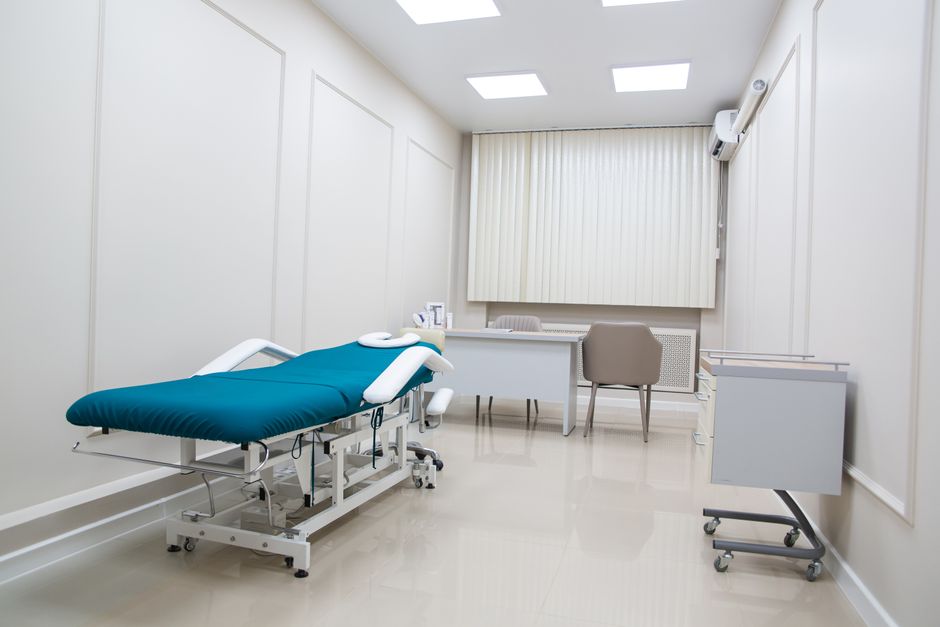
The gold standard is certification from the KSPRS (Korean Society of Plastic and Reconstructive Surgeons) or the KSAPS (Korean Society of Aesthetic Plastic Surgery). These are the only boards recognized by the Korean Ministry of Health and Welfare for plastic surgery specialists. A surgeon who passes the KSPRS board exam has completed a rigorous 4-5 year residency after medical school — think of it as the Korean equivalent of the American Board of Plastic Surgery.
What does it mean if my plastic surgeon is double board-certified?
Double board-certified means the surgeon holds certification in two distinct medical specialties. For example, a surgeon might be board-certified in both plastic surgery and otolaryngology (ear, nose, and throat). This is common among surgeons who perform rhinoplasty — they have deep knowledge of nasal anatomy from their ENT training plus aesthetic skills from their plastic surgery training. Double certification is a strong signal of expertise, but it’s not automatically necessary. Many Korean plastic surgeons are single-board certified and still world-class.
What’s the difference between a plastic surgeon and a board-certified plastic surgeon?
A “plastic surgeon” can refer to any doctor who performs cosmetic procedures — even a general practitioner who took a weekend course. A board-certified plastic surgeon has completed a government-recognized residency and passed a rigorous exam. In Korea, the title “plastic surgeon” (성형외과 의사) is legally protected — only KSPRS-certified doctors can use it. But some clinics use English terms like “cosmetic surgeon” or “aesthetic doctor” to avoid the restriction. That’s a red flag.
How does the Korean medical board system work for plastic surgeons?
After six years of medical school, a doctor must complete a four- or five-year residency in plastic surgery at an accredited teaching hospital. They then sit for the KSPRS board exam, which includes written, oral, and practical components. Only after passing can they legally call themselves a plastic surgery specialist. Many then pursue additional fellowship training — especially in aesthetic (cosmetic) surgery — to earn KSAPS certification.
Which country is no 1 in plastic surgery?
As of 2026, South Korea is widely regarded as the #1 destination for plastic surgery in Asia, and often globally for certain procedures. According to the International Society of Aesthetic Plastic Surgery (ISAPS), Korea ranks among the top four countries for total number of procedures per capita. The country leads the world in non-surgical treatments like Botox and fillers, and is the undisputed capital for double eyelid surgery and rhinoplasty. But that reputation also attracts untrained practitioners — which is why board certification is non-negotiable.
How can I verify a surgeon’s certification in Korea?
You can verify board certification through the Korean Medical Association’s online doctor search (kma.org) or through the KSPRS member directory. Most reputable hospitals also display their surgeons’ certifications on their websites, often with certificate numbers. You can also contact the hospital directly and ask for the surgeon’s KSPRS membership number. For hospital accreditations, check whether the facility holds JCI accreditation. For example, Samsung Medical Center and Severance Hospital are both JCI-accredited — a sign that the entire hospital meets international safety standards.
Find a list of verified board-certified plastic surgeons in Seoul here.
Why do certifications like JCI and MFDS matter for my safety?

JCI (Joint Commission International) accredits hospital quality and patient safety worldwide. MFDS (Ministry of Food and Drug Safety) regulates medical devices and pharmaceuticals in Korea. Even if your surgeon is board-certified, the clinic itself must operate safely. JCI accreditation means the hospital meets international standards for infection control, emergency protocols, and equipment maintenance. MFDS approval ensures that implants, fillers, and Botox used in your procedure are safe and legally imported. A clinic that uses non-MFDS-approved products is taking a huge risk with your health.
For example, MFDS regulates Botox and fillers — you can ask to see the packaging with the MFDS approval number. Similarly, JCI accredits facilities like Samsung Medical Center and Severance Hospital, giving you an extra layer of protection.
How does HIRA fit in?
HIRA (Health Insurance Review and Assessment Service) is the Korean government agency that reviews and assesses medical services for insurance purposes. While HIRA does not directly certify surgeons, it monitors quality indicators across hospitals. A surgeon or clinic with a high HIRA quality score is a sign that they follow national treatment guidelines and have good patient outcomes.
When should I be concerned about a surgeon’s credentials?
You should be concerned if the surgeon’s certifications aren’t publicly listed, if they call themselves a “cosmetic surgeon” rather than “plastic surgeon,” or if the clinic can’t show you their JCI certificate. Also be wary of clinics that promise a “double board-certified” surgeon but can’t name both boards. Another red flag: a clinic that offers procedures outside the surgeon’s certified specialty — for example, a dentist offering rhinoplasty.
FAQ
What board certifications should a plastic surgeon have?
Korean plastic surgeons should hold KSPRS (Korean Society of Plastic and Reconstructive Surgeons) or KSAPS (Korean Society of Aesthetic Plastic Surgery) certification. For facial plastic procedures like blepharoplasty to correct ptosis, KAoSS (Korean Association of Ophthalmic and Facial Plastic Surgeons) certification is also relevant.
Which country is no 1 in plastic surgery?
South Korea is consistently ranked among the top countries globally, especially for facial procedures like double eyelid surgery and rhinoplasty. The high concentration of board-certified surgeons and advanced techniques make it a leading destination for medical tourism.
What does it mean if my plastic surgeon is double board-certified?
It means they hold board certification in two specialties — for example, plastic surgery and otolaryngology. This often indicates deeper expertise in complex procedures like rhinoplasty or myopia correction combined with ptosis repair.
What’s the difference between a plastic surgeon and a board-certified plastic surgeon?
A board-certified plastic surgeon has completed a formal residency and passed a national exam. Anyone else is simply a doctor (or dentist) offering cosmetic procedures — they lack the standardized training that board certification guarantees.
Related Reading
- Certified Plastic Surgeons in Seoul
- Affordable Plastic Surgery Clinics in Seoul
- Plastic Surgery Clinics in Korea
Last updated: May 02, 2026
“`