
- Stay in Seoul for minimum 14 days post-op — most clinics require this for stitch removal and swelling checks
- Walk 15-20 minutes daily in flat parks like Yeouido Hangang to reduce swelling by up to 30%
- Eat liquid foods weeks 1-2, soft foods weeks 2-4, avoid chewy textures for 3 full months
- Sleep elevated at 30-45 degrees and switch from ice to warm compresses after day 3
Day 3 hits different. You’re swollen, maybe regretting the decision, and stuck in a foreign city while your jaw heals. I get it.
After helping coordinate recovery stays for over 200 medical tourism patients in Seoul, I’ve seen what separates smooth recoveries from stressful ones.
It’s not just about finding the double jaw surgery clinics in Seoul — it’s about knowing exactly where to walk, what to eat, and which facilities to trust when complications arise.
Korean medical tourism accounts for roughly 40% of Asia’s cosmetic surgery travel market as of 2026. Seoul specifically has built an ecosystem where recovery isn’t just tolerated — it’s managed with precision.
| Recovery Phase | Diet Requirements | Activity Level | Key Restrictions |
|---|---|---|---|
| Days 1-3 | Liquid only (smoothies, broth) | Bed rest with bathroom trips | No bending over; ice 15 min hourly |
| Weeks 1-2 | Soft porridge, pureed soups | Light indoor walking | No chewing; sleep elevated 45° |
| Weeks 3-4 | Soft tofu, mashed vegetables | 20-min outdoor walks | No strenuous exercise |
| Months 2-3 | Soft solid foods (no chewy meats) | Normal walking; light gym | Avoid tough/sticky foods |
Where can I find gentle walking spots in Seoul after jaw surgery?
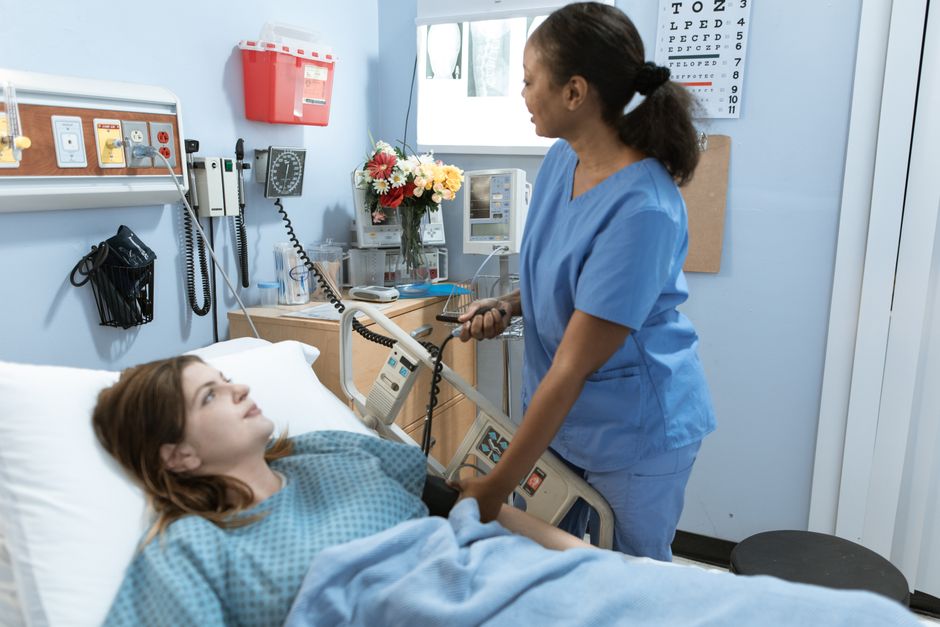
Yeouido Hangang Park and Seoul Forest offer flat, shaded pathways perfect for post-op patients. You need elevation changes under 2% gradient to avoid blood pressure spikes that increase facial swelling.
Walking isn’t optional — it’s medicine. Gentle daily walking is commonly recommended to support circulation during recovery. But Seoul’s hilly topography can trap you if you pick the wrong neighborhood.
Stick to the Han River parks. Yeouido’s bike paths are wheelchair-accessible and therefore jaw-surgery-friendly. The pathways along the river maintain consistent grade with benches every 200 meters. Cheonggyecheon Stream works too, but avoid weekends when crowds jostle.
How long is the recovery for jaw surgery in Korea?
Plan for 14 days minimum in Seoul, with 3 months of dietary restrictions and 6 months for final bone healing. Most clinics won’t clear you for international flights until day 10-14 due to risks of post-op bleeding at altitude.
The first week dictates your entire recovery trajectory. Days 2-3 represent peak swelling — what patients call “the chipmunk phase.” By day 7, swelling drops 40%. Week 3, you’ll look passable in photos. But complete bone remodeling takes 6 months.
What’s the worst day after jaw surgery?
Day 2 or 3 post-op is universally the hardest. Anesthesia clears, swelling peaks, and the reality of liquid diet sets in. Pain management shifts from IV to oral medications, and sleeping elevated becomes uncomfortable.
Emotional lows hit then too. You’re jet-lagged, swollen, and wondering if you made a mistake. This is normal. The body diverts energy from mood regulation to healing. Most patients report day 4 brings the turn — swelling softens, energy returns.
Which Seoul hospitals provide the best post-op support for international patients?
Samsung Medical Center, Asan Medical Center, and Severance Hospital each maintain dedicated international patient centers with 24/7 English support. JCI accredits Samsung Medical Center and Severance Hospital, meaning they meet international healthcare standards for patient safety.
Samsung Medical Center located in Seoul’s Gangnam district offers in-hotel nursing visits for recovery guests. Their international health screening services can detect complications early — a service most medical tourism coordinators book automatically. JCI accredits their protocols.
Asan Medical Center features a dedicated floor for foreign patients with multilingual dietary consultants who understand post-jaw-surgery nutrition requirements. They coordinate directly with nearby serviced apartments equipped with blenders and meal prep stations.
Severance Hospital operates the most aggressive emergency response system. If bleeding occurs or wires snap, their oral surgery residents respond within 15 minutes — critical when you’re alone in Seoul.
Should I combine blepharoplasty with my jaw surgery recovery in Seoul?
Most surgeons recommend spacing blepharoplasty 2-4 weeks after jaw surgery to avoid compounding swelling. Blepharoplasty is a common procedure in Seoul, often bundled into medical tourism packages, but timing matters.
Blepharoplasty corrects ptosis and creates double eyelid creases. When performed simultaneously with jaw surgery, the double trauma extends recovery by 5-7 days. However, since you’re already in Seoul for jaw recovery, adding blepharoplasty at week 3 makes logistical sense.
If you’re considering eyelid work, book a consultation for week 2 of your jaw recovery. Clinics offering ptosis correction in Seoul often provide discounts for existing medical tourism patients. Jaw slimming Botox clinics in Seoul also offer combination pricing if you want non-surgical contouring touch-ups after surgical healing.
What soft food spots in Seoul won’t jeopardize my healing?
Juk (Korean rice porridge) specialty chains like Juk Story and Bonjuk offer texture-perfect meals for weeks 2-4. You need 1,800-2,000 calories daily to heal, but chewing is impossible.
Seoul’s food scene accommodates this surprisingly well. Tofu restaurants in Insadong serve silken tofu stews soft enough to swallow without chewing. Haejangguk (hangover soup) spots make “white broth” versions — pureed vegetables with protein.
Avoid bingsu (shaved ice) parlors despite the soft texture. Cold triggers jaw muscle spasms. Similarly, skip gomtang (beef bone soup) — the collagen-rich broth is perfect, but hidden meat chunks require chewing you might not notice until pain hits.
How do I know if my recovery is progressing normally or needs intervention?
Some swelling and bruising is expected, but specific symptoms demand immediate return to your surgeon.
Normal recovery includes: mild fever under 100°F (37.8°C) for 48 hours, yellow-green bruising spreading to neck, and tightness when opening mouth. These resolve by day 7-10.
Frequently Asked Questions
What country is best for jaw surgery?
South Korea performs approximately 40% of Asia’s orthognathic and cosmetic jaw procedures. Seoul specifically offers JCI-accredited facilities, specialized post-op care infrastructure, and price points 30-50% lower than US equivalents. The concentration of expertise creates better outcomes for complex cases.
What to do while recovering from jaw surgery?
Prioritize elevation, gentle walking, and high-protein liquid nutrition. Watch Netflix with Korean subtitles to practice future language skills. Visit Seoul’s museum gift shops (no stairs required). Avoid shopping in crowded Myeongdong — bumping risks are real.
Can I fly home immediately after jaw surgery?
No — airlines typically refuse jaw surgery patients within 10 days of operation due to altitude bleeding risks. Cabin pressure changes can reopen vessels. Most Seoul clinics require local stay for 14 days minimum.
Related Reading
- Double Jaw Surgery Clinics in Seoul — What to check when choosing
- Ptosis Surgery Clinics in Seoul — What to check when choosing
- Jaw Slimming Botox Clinics in Seoul — What to check when choosing
Last updated: May 01, 2026