
- Full facelift: $6,000 – $18,000 USD (₩8M – ₩24M KRW), with international patients typically paying $10,000 – $14,000 at clinics.
- Mini facelift: $2,200 – $3,700 USD (₩3M – ₩5M KRW) — ideal for early signs of aging with faster recovery.
- SMAS facelift: $6,000 – $10,000 USD (₩8M – ₩13M KRW) — the gold standard technique addressing deeper muscle layers.
- Total package: Surgeon fee, anesthesia, 1-night hospital stay, and 3-5 post-op visits are usually included; budget extra $1,000 – $2,000 for flights, accommodation, and meals.
You’ve been staring at the mirror wondering if it’s time. Those nasolabial folds aren’t smiling back anymore, and the jawline you took for granted in your thirties has started its slow retreat.
A facelift in Seoul can cost substantially less than comparable surgery in Los Angeles or New York.
That’s not a typo. As of 2026, the average American pays $12,000 – $15,000 for a standard facelift, while Korean clinics deliver comparable — often superior — results starting at $6,000.
But here’s the catch. Price ranges vary wildly depending on whether you need a mini-lift or full SMAS reconstruction. Plus, hidden fees can ambush unprepared tourists.
There’s one accreditation you absolutely must verify before booking. I’ll reveal it in the next section — it separates the bargain clinics from the world-class surgical centers.
| Procedure Type | Price Range (USD) | Best For | Recovery Time |
|---|---|---|---|
| Mini Facelift | $2,200 – $3,700 | Early 40s, mild jowling | 5-7 days |
| SMAS Facelift | $6,000 – $10,000 | Moderate to severe sagging | 10-14 days |
| Deep Plane Facelift | $12,000 – $18,000 | Advanced aging, neck bands | 14-21 days |
| Non-Surgical (Thermage/Ultherapy) | $600 – $2,600 | Maintenance, subtle lifting | Same day |
Which country is best for facelifts and why is Korea ranked number 1?
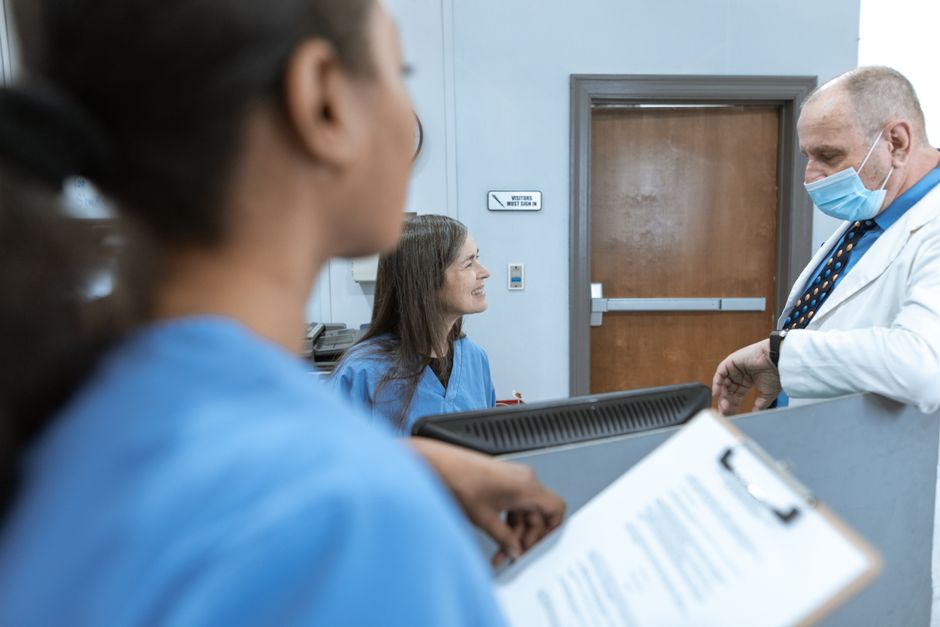
South Korea performs the highest number of cosmetic procedures per capita globally, with facial rejuvenation representing 28% of all surgical tourism. The country’s dominance isn’t accidental. Korean surgeons complete rigorous 6-year residencies followed by facial aesthetic fellowships that simply don’t exist in most Western programs.
The density of expertise creates a competitive environment that drives innovation while keeping costs accessible.
When JCI accredits hospital quality at facilities like Samsung Medical Center and Severance Hospital, it signals adherence to the same standards you’d expect at Mayo Clinic or Johns Hopkins. Yet you’re paying Seoul prices, not Manhattan prices.
How much does a facelift cost in Korea for international patients?
International patients should budget $10,000 – $14,000 USD for a quality full facelift at established Gangnam clinics. While domestic Korean patients sometimes access procedures for $6,000 – $8,000, foreigners typically pay premium pricing at English-speaking facilities with dedicated medical tourism coordinators.
The price gap reflects service layers you actually want. Translation errors in surgery? Not worth the discount.
Mini facelifts targeting the lower third of your face run cheaper — roughly $2,200 – $3,700. These work if you’re early forties with good skin elasticity. But here’s the thing: most patients overestimate how “mini” their needs are. A consult specialist will determine whether you need SMAS manipulation or just skin tightening.
Is it worth going to Korea for plastic surgery compared to staying domestic?
Yes — if you value specialized facial anatomy expertise and can dedicate 10-14 days for travel and recovery. Korean surgeons possess unparalleled experience with East Asian facial bone structure, but they’ve increasingly adapted techniques for diverse ethnicities as medical tourism booms.
The math is compelling. Even adding $1,500 for flights and $800 for a two-week Airbnb in Gangnam, you’re often saving $5,000 – $8,000 compared to US pricing. Plus, Korean post-op care includes daily check-ins and LED therapy sessions that American practices charge $200+ per visit to provide.
However, distance complicates revision surgeries. If complications arise six months later, flying back to Seoul isn’t trivial. That’s why selecting a JCI-accredited facility matters enormously — JCI accredits hospital quality to international standards, reducing your complication risk from the outset.
How do MFDS and HIRA regulations protect facelift patients?
The MFDS regulates medical procedures and surgical devices, while HIRA monitors billing transparency and insurance standards. together, these governmental bodies create a regulatory framework stricter than FDA equivalents in many categories.
The MFDS regulates everything from implant materials to anesthesia protocols. When you see MFDS approval on a clinic’s threads or meshes, you’re seeing verification that meets Korean pharmacological standards — among the world’s most stringent. MFDS regulates Botox and fillers too, ensuring authenticity in a market flooded with counterfeits.
HIRA guidelines mandate itemized billing and informed consent documentation in multiple languages. For international patients, this means no surprise charges for “facility fees” after you’ve paid your deposit. HIRA also tracks surgeon outcomes data, creating accountability that keeps quality high.
Can patients with myopia or ptosis combine eye procedures with facelifts?
Absolutely — correcting ptosis through blepharoplasty during your facelift is not only possible but often recommended for facial harmony. Since blepharoplasty corrects ptosis by tightening the levator muscle, combining it with temple and brow lifts creates cohesive rejuvenation rather than a mismatched “done” look.
If you have myopia (nearsightedness), inform your surgeon during consultation. Myopia doesn’t disqualify you from facelift surgery, but severe cases may require modified positioning during the procedure to reduce eye pressure. Most surgeons recommend waiting 2-4 weeks post-facelift before resuming contact lens wear.
Combining procedures affects pricing. Adding upper blepharoplasty runs an extra $1,500 – $2,500, while double eyelid surgery adds $2,000 – $4,000. However, bundle discounts typically save 15-20% compared to separate surgeries. Recovery timelines merge efficiently — you’ll heal from both simultaneously rather than taking two separate two-week periods off work.
What is the cheapest country to get a facelift and does Korea qualify?
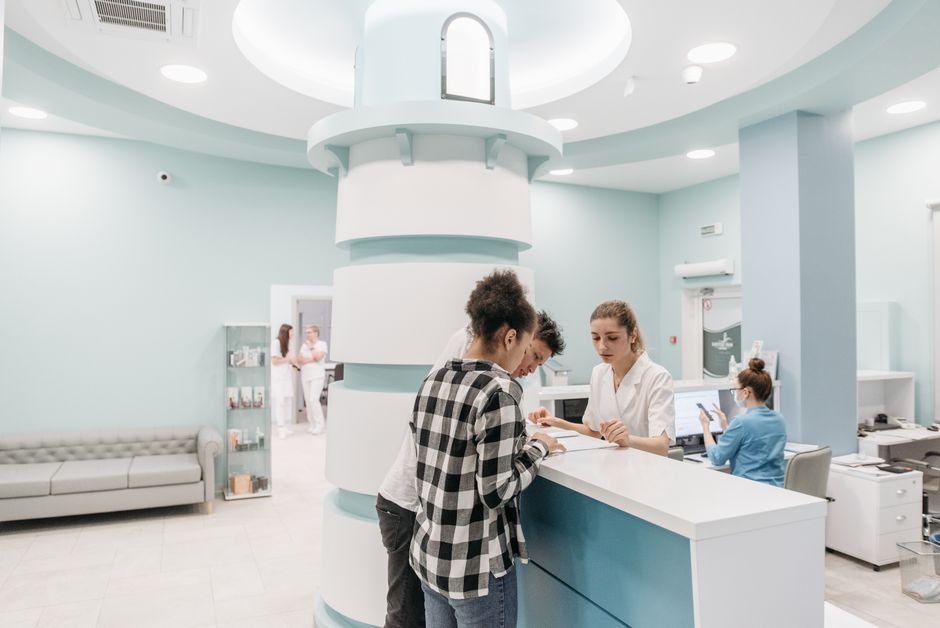
Thailand and Turkey currently offer lower base prices ($3,000 – $5,000), but Korea provides the best value-to-safety ratio in the premium tier. “Cheap” becomes expensive quickly if you’re managing infections or asymmetrical results.
Korean pricing sits in the sweet spot — significantly below US/UK rates ($12,000-$20,000) but with regulatory oversight that rivals those markets. JCI accreditation is your insurance policy here.
When JCI accredits Samsung Medical Center or JCI accredits Severance Hospital, you’re accessing surgical theaters that meet the same sterilization and emergency-readiness standards as Harvard-affiliated hospitals.
Brazil offers competitive pricing too, but Korean techniques specifically excel at scar concealment within the hairline and natural-appearing SMAS repositioning. For visible facial surgery, those details matter more than saving an additional $1,000.
What unexpected costs should I prepare for beyond the quoted price?
Budget an additional $2,000 – $3,500 for travel logistics, compression garments, and potential touch-ups. While Korean packages are comprehensive, medical tourism has unique friction points.
Your quoted price rarely includes mandatory pre-operative bloodwork and EKG ($150 – $300). HIRA mandates these for patient safety, but clinics itemize them separately. Post-surgery medications — antibiotics, swelling reducers, and specialized scar gels — add another $200 – $400.
Factor in the “recovery apartment.” You’ll want accommodation near the clinic for daily check-ins during days 3-7, when swelling peaks and drainage tubes (if used) require monitoring. Budget $80 – $150 nightly for a serviced apartment in Gangnam or Apgujeong.
When should I choose a different procedure or delay surgery?
Postpone your facelift if you have uncontrolled hypertension, active skin infections, or unrealistic expectations about turning back the clock 30 years.
Non-surgical options like Thermage FLX or Ultherapy ($600 – $2,600) work remarkably well for patients in their late 30s with minimal laxity. Many clinics also offer rhinoplasty or dental implant packages if you’re considering full facial rejuvenation — though I recommend staging these at least 6 months apart to isolate healing variables.
If you’re experiencing severe ptosis obstructing vision, prioritize functional blepharoplasty before cosmetic tightening. Functional corrections sometimes qualify for insurance, even for international patients with proper documentation.
What do recovery timelines actually look like for Korean facelift patients?
Plan for 10 days in Korea minimum, with social downtime extending 3-4 weeks.
Days 1-3 involve hospital or hotel recovery with drainage tubes and compression bandages. Days 4-7 require daily clinic visits for suture cleaning and LED therapy to reduce bruising. By day 10, most patients fly home comfortably, though residual swelling persists.
The “Korean natural look” requires patience. Final results crystallize around month 4, when all scar tissue has matured and residual swelling has resolved. Rush the process, and you might miss the subtle refinements that make Korean surgery distinctive.
Frequently Asked Questions
Do Korean facelift results look natural on non-Asian faces?
Yes — if you select a clinic experienced with diverse ethnicities. Gangnam clinics now serve 40%+ international patients and have adapted techniques for varied skin thickness and bone structure. Request before/after photos specifically matching your ethnic background during consultation.
How long do I need to stay in Korea after surgery?
A minimum of 10-14 days. Sutures typically remove between days 7-10. Flying earlier increases blood clot risk and complicates emergency care if complications arise.
Can I get a facelift if I’ve already had rhinoplasty?
Usually yes, after waiting 6-12 months. Previous rhinoplasty doesn’t preclude facelift surgery, but your surgeon must know exact implant placement to avoid disruption. Scar tissue from open rhinoplasty may also affect surgical approach for mid-face lifting.
Is there an age limit for facelift surgery in Korea?
Most Korean surgeons accept patients 35-75, with 45-60 being the sweet spot. Patients over 70 require cardiovascular clearance. Younger patients might be steered toward thread lifts or rhinoplasty for profile balancing instead.
Will language barriers affect my surgical outcome?
Not at accredited clinics. Major facilities employ English, Mandarin, and Japanese coordinators who translate surgical plans verbatim. However, nuance gets lost. Bring reference photos and written descriptions of your goals to supplement verbal communication.
Related Reading
Related guides:
- Facelift Clinics in Seoul — What to check when choosing
- Skin Clinics in Korea — Pre- and post-op skincare protocols to maximize your results
- Dental Clinics in Korea — Complete your smile rejuvenation while recovering from facial surgery
Last updated: May 01, 2026