
- Cast removal happens on day 7, but final rhinoplasty results require 12 months to fully manifest
- Evaluate before/after photos for consistent lighting, identical angles, and minimum 6-month intervals
- Korea performs 24% of global cosmetic procedures with specialized techniques for Asian nasal structures
- Only book clinics accredited by JCI, MFDS, and HIRA — these organizations regulate everything from emergency protocols to Botox standards
You’ve been scrolling through Instagram at 2 AM.
The side profiles look perfect. The bridges are elegant. You’re staring at rhinoplasty before and after photos from Gangnam clinics wondering which results are real versus filtered.
Here’s what actually happens to your nose — and how to spot authentic transformations.
| Recovery Phase | Physical Signs | Social Downtime |
|---|---|---|
| Days 1-3 | Peak swelling, bruising under eyes, nasal packing | Complete rest |
| Day 7 | Cast removal, 40% swelling remains | Can use concealer |
| Weeks 2-3 | Bruising fades, tip remains swollen | Return to work |
| Month 3 | 60% of swelling resolved, bridge defined | Normal activities |
| Month 12 | Final result, scar tissue fully softened | All restrictions lifted |
How do I evaluate rhinoplasty before and after photos from Korean clinics?
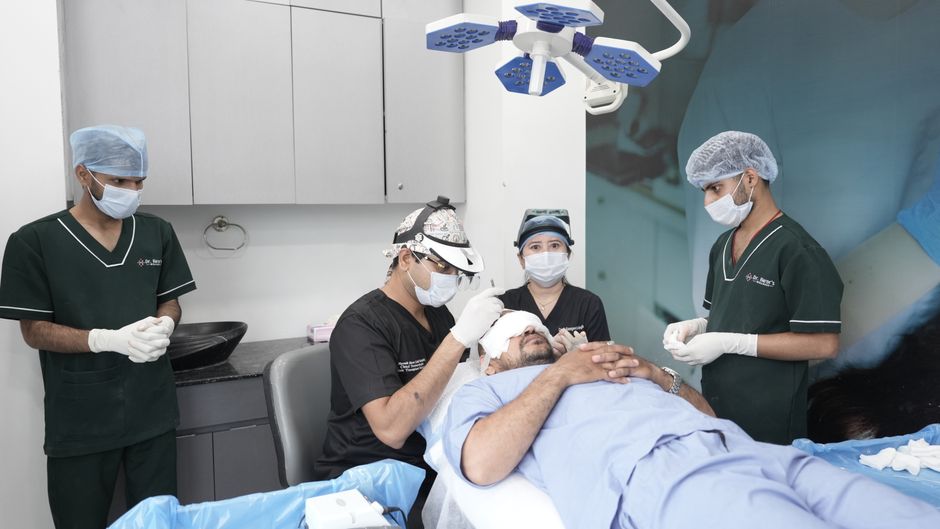
You need to check for consistent lighting, angles, and minimum 6-month gaps between shots.
Most reputable clinics in Seoul shoot patients against gray backgrounds with ring lighting to eliminate shadows. If the before photo shows yellow office lighting and the after uses cool white LED, you’re not seeing real changes.
Look for the ear position. Ears don’t move after rhinoplasty, so they anchor the comparison. If the ear angle shifts between shots, the patient has tilted their head differently.
Why do some Korean clinics show Barbie nose results?
Barbie nose aesthetics emphasize a concave bridge with an upturned tip. These work beautifully on specific facial structures but appear artificial on broader bone structures.
Ask the clinic for photos of patients with your specific ethnic background. Rhinoplasty clinics in Korea maintain diverse portfolios because they serve international medical tourism clients daily.
What angles should before and after photos include?
You need three mandatory views: frontal (anterior), profile (lateral), and base (worm’s-eye).
The frontal view reveals nostril symmetry and tip definition. The profile shows bridge height and tip rotation. The base view exposes columellar work and alar base width — critical for Asian rhinoplasty where nostril flare reduction is common.
What should I expect during the first week after rhinoplasty in Korea?
Expect cast removal on day 7, with peak swelling and bruising occurring between days 2 and 3.
You’ll wake up from general anesthesia with a thermoplastic splint covering your nose. Most patients describe the sensation as “stuffy” rather than painful, similar to having a severe cold. Your eyes will show bruising that resembles raccoon rings — completely normal and expected.
Bring podcast downloads. You’ll spend days 1-3 breathing through your mouth while internal splints stabilize the septum. By day 5, the bruising shifts from purple to yellow-green as hemoglobin breaks down.
Most clinics schedule your first post-op check at day 2 to clean incision lines. This appointment takes 15 minutes and determines if you can return to your hotel or require additional observation.
How long does a nose job take to heal in Korea?
Complete healing takes 12 months, though you’ll appear socially presentable after 14-21 days.
The nasal tip retains swelling longest due to thick sebaceous skin common in Asian rhinoplasty patients. While the bridge settles within 3 months, the tip continues subtle refinement through month 9.
As of 2026, clinical data from Seoul National University Hospital shows that 85% of international patients fly home 10-14 days post-op without complications.
When can I fly home after rhinoplasty in Korea?
You can board flights 7 days after surgery if you have aisle seats and compression socks.
Cabin pressure changes can increase nasal swelling slightly, so book morning flights when inflammation is naturally lower. Avoid heavy luggage — lifting over 10 pounds strains facial blood vessels.
Why is the 6-month mark significant for Asian rhinoplasty?
Six months represents the collagen remodeling phase.
Your body has dissolved the initial scar tissue and replaced it with mature collagen. The tip softens from firm to natural. This is when you’ll finally see the “Barbie nose” or “natural line” result your surgeon promised.
Is Korea a good place for rhinoplasty?
Yes, Korea performs approximately 24% of global cosmetic procedures with specialized techniques for Asian nasal anatomy.
Surgeons here complete more rhinoplasty procedures annually than any other country per capita. This volume creates expertise in specific challenges like low radix correction, thick skin tip refinement, and silicone implant integration.
Korean techniques differ from Western approaches. American surgeons often reduce humps and refine tips. Korean surgeons frequently augment bridges using silicone or Gore-Tex implants while refining bulbous tips through suture techniques.
Do Korean surgeons understand non-Asian noses?
Clinics absolutely do, but you must verify experience.
Request to see their portfolio of Caucasian, Middle Eastern, or African American patients. International hospitals in Korea like Samsung Medical Center and Severance Hospital employ surgeons with specific ethnic rhinoplasty training.
How does the cost compare to Western countries?
Rhinoplasty in Seoul averages $3,000-$6,000 USD compared to $8,000-$15,000 in the United States.
This price gap exists due to market competition — Gangnam alone hosts over 500 cosmetic clinics — not lower quality. Many Korean surgeons train at Johns Hopkins or Mayo Clinic before returning to Seoul.
Should I go to Turkey or Korea for rhinoplasty instead of the US?
Choose Korea for Asian-specific techniques and subtle refinement; choose Turkey for dramatic reduction and lower costs.
Turkish surgeons excel at reducing large humps and narrowing wide nasal bones using aggressive osteotomy techniques. Korean surgeons specialize in augmentation and delicate tip work using implant and cartilage grafts.
The flight time matters. From the US East Coast, Turkey requires 10 hours while Korea requires 14. However, Korea offers superior medical tourism infrastructure with English-speaking coordinators and dedicated international patient centers at most Gangnam facilities.
Which country is number one in plastic surgery?
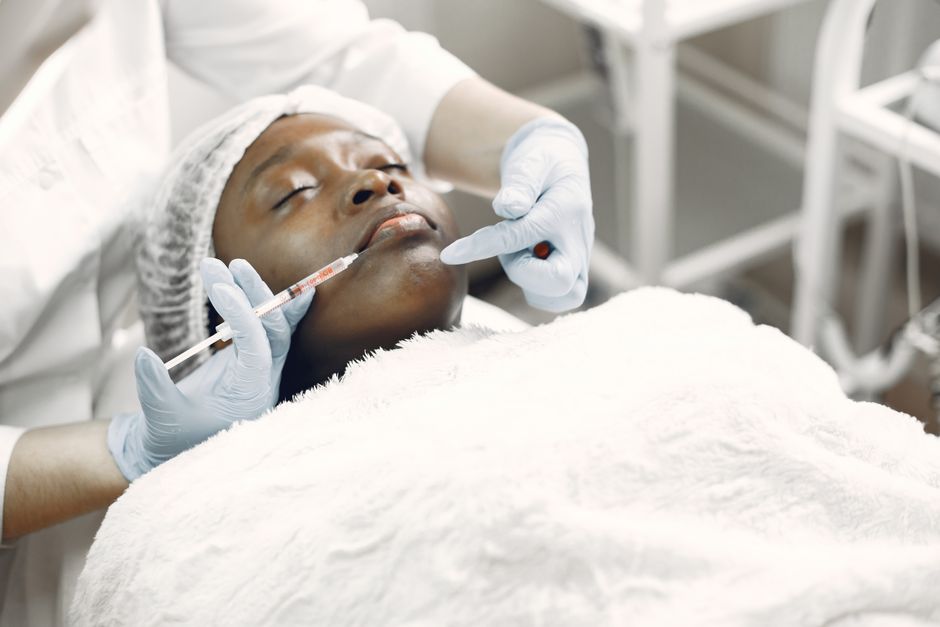
South Korea has the highest per capita rate of plastic surgery procedures globally as of 2026.
One in three Korean women between ages 19 and 29 has undergone some cosmetic procedure. This cultural normalization creates an ecosystem where revision surgeries are less stigmatized and post-op care is highly developed.
How does Korea’s medical tourism infrastructure compare?
Korea processed over 600,000 medical tourists in 2024, with cosmetic surgery representing 35% of that volume.
Clinics offer airport pickup, translation services, and recovery residences. Many facilities provide LASIK and dental implant packages alongside rhinoplasty for combined medical tourism trips.
What procedures do Koreans get most often besides rhinoplasty?
Blepharoplasty and double eyelid surgery dominate the market.
Korean surgeons perform these so frequently that the “epicanthoplasty” technique — creating inner eyelid folds — was pioneered here. If you’re considering multiple procedures, bundling eyelid and nasal work reduces total anesthesia risks and recovery time.
Why is Gangnam the center for rhinoplasty in Korea?
Gangnam houses the highest concentration of JCI-accredited plastic surgery clinics in Seoul.
This district contains the “Apgujeong beauty belt,” where clinics compete on technique rather than price. The proximity to luxury hotels and international business centers makes post-op recovery convenient for medical tourists.
Rhinoplasty clinics in Seoul cluster within three subway stops of Apgujeong Station. This concentration means you can schedule three consultations in one afternoon without taxi rides.
Are Gangnam clinics more expensive than other districts?
Yes, but not prohibitively so.
Expect to pay approximately $500-$1,000 more for rhinoplasty performed in Gangnam versus clinics in Bucheon or Suwon. The premium covers English-speaking nurses, luxury recovery rooms, and immediate access to emergency care at major hospitals.
How do JCI, MFDS, and HIRA certifications protect medical tourists?
These organizations ensure facility safety, surgeon credentialing, and emergency protocols.
JCI (Joint Commission International) accredits hospital quality through unannounced inspections. JCI accredits Samsung Medical Center, Severance Hospital, and select high-end clinics. This accreditation requires crash carts, emergency airways, and board-certified anesthesiologists — not just nurses monitoring IVs.
MFDS (Ministry of Food and Drug Safety) regulates medical procedures and devices. MFDS regulates Botox, fillers, and silicone implants used in rhinoplasty. Only MFDS-approved implants carry traceable serial numbers for your medical records.
Accredited facilities work to stricter sterilisation and infection-control protocols than unaccredited ones, which is the main reason to prefer them.
When should I be concerned about my rhinoplasty results?
Contact your surgeon immediately if you experience fever over 38°C (100.4°F), severe asymmetry appearing after month 3, or implant displacement visible as shifting shadows.
Fever indicates infection requiring immediate antibiotic intervention. Asymmetry that worsens rather than improves suggests cartilage warping or implant migration. A visible implant edge or “step-off” along the bridge means the pocket has stretched or the silicone is too large for your tissue envelope.
Frequently Asked Questions
Why do my before and after photos look different from the clinic’s examples?
Your healing timeline differs. Clinics display “final results” at 12 months while you’re viewing yourself at 3 weeks.
Also, professional clinic photography uses macro lenses and specific focal lengths that minimize facial distortion. Your iPhone selfies create nasal projection distortion due to wide-angle lenses held close to the face.
Can I get additional procedures during the same rhinoplasty trip?
Yes, but limit combination surgeries to reduce anesthesia time.
Many patients add blepharoplasty or double eyelid surgery because the recovery timelines align. However, avoid combining rhinoplasty with jaw surgery or major facial contouring — the combined swelling masks individual results and increases complication risks.
How do Korean clinics handle revision rhinoplasty differently?
Korean surgeons approach revisions with cartilage grafting techniques rather than implant swaps.
If your primary surgery used silicone, Korean doctors often replace it with autologous rib cartilage or ear cartilage to prevent future extrusion. This biological approach requires longer surgery (4-5 hours) but produces permanent results.
Will my rhinoplasty results look natural in my home country?
They should, if you avoided over-aggressive reduction.
Korean “natural line” rhinoplasty preserves your ethnic characteristics while refining proportions. Avoid requesting the extreme Barbie nose if you work in conservative professional environments outside Korea.
Related Reading
- Rhinoplasty Clinics in Korea — What to check when choosing
- Hospitals in Korea for International Patients — What to check when choosing
- Rhinoplasty Clinics in Seoul — What to check when choosing
Last updated: May 01, 2026